
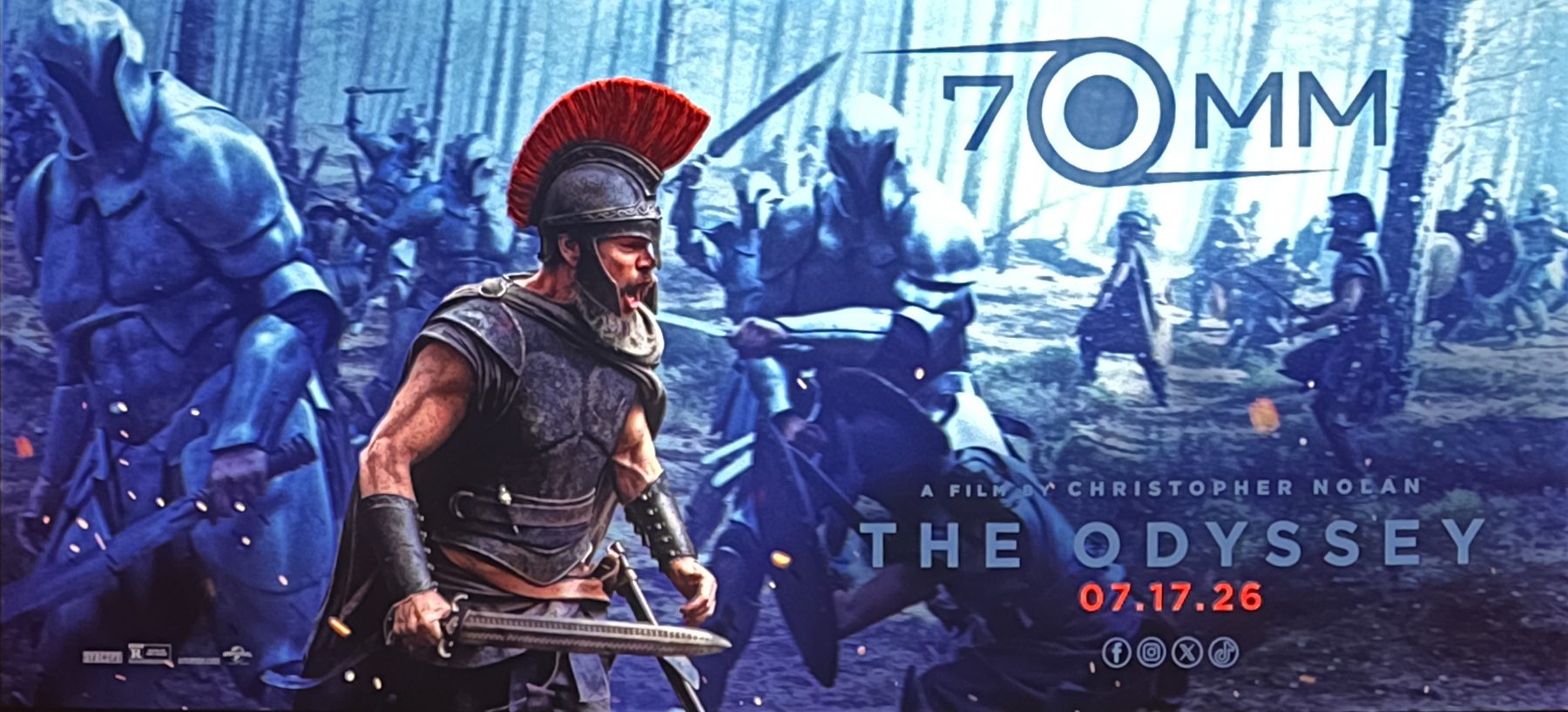
Review of “The Odyssey” by Christopher Nolan
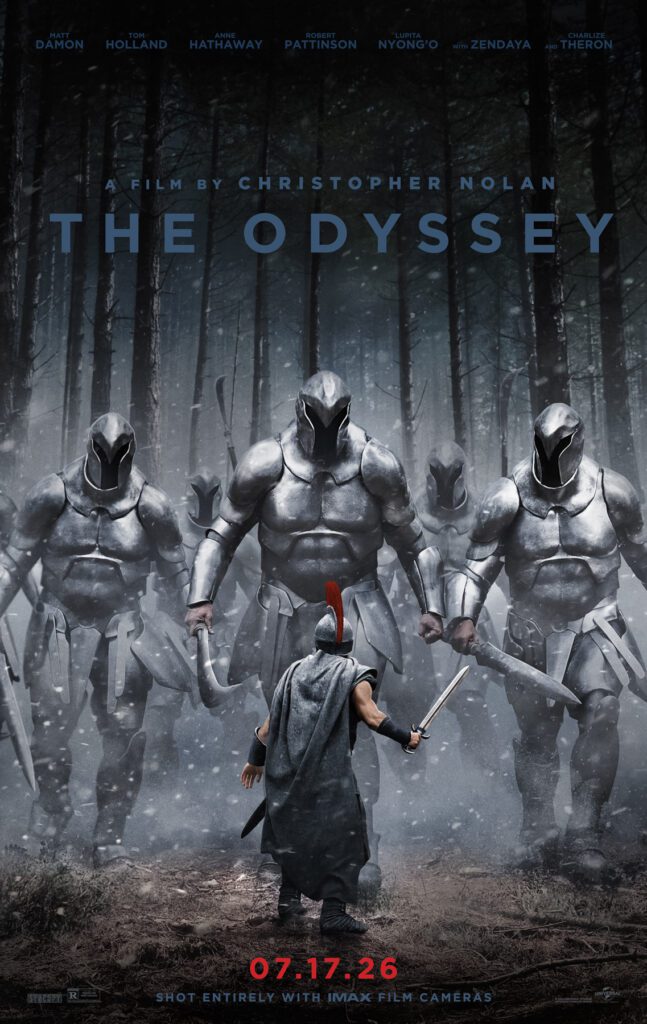
Set in the Bronze Age and in the genre of Greek mythology, “The Odyssey” is Christopher Nolan’s brilliantly imaginative interpretation of Homer’s story about the Greek hero Odysseus (Matt Damon), the Trojan War and the ten years that followed. Its scale and accomplishments are truly epic and, at times, appropriately cringe-worthy. Damon’s character Odysseus exudes strength, intelligence and compassion — qualities that were necessary for this role. “The Odyssey” realized a long-time dream of Nolan’s — to shoot a feature film entirely with IMAX 70mm film cameras.
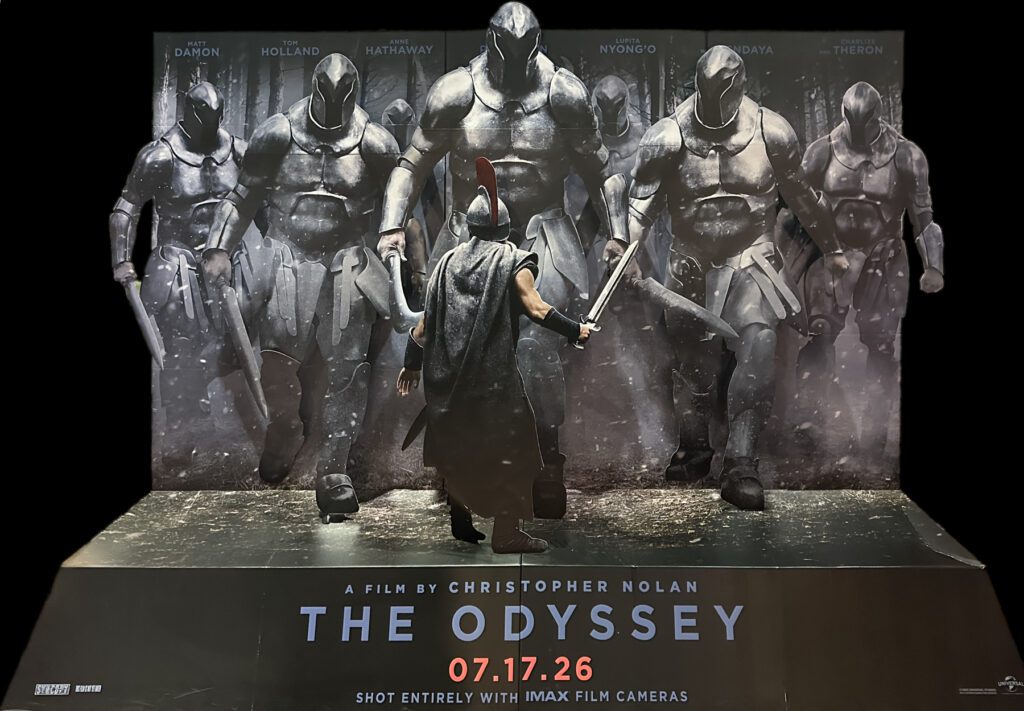
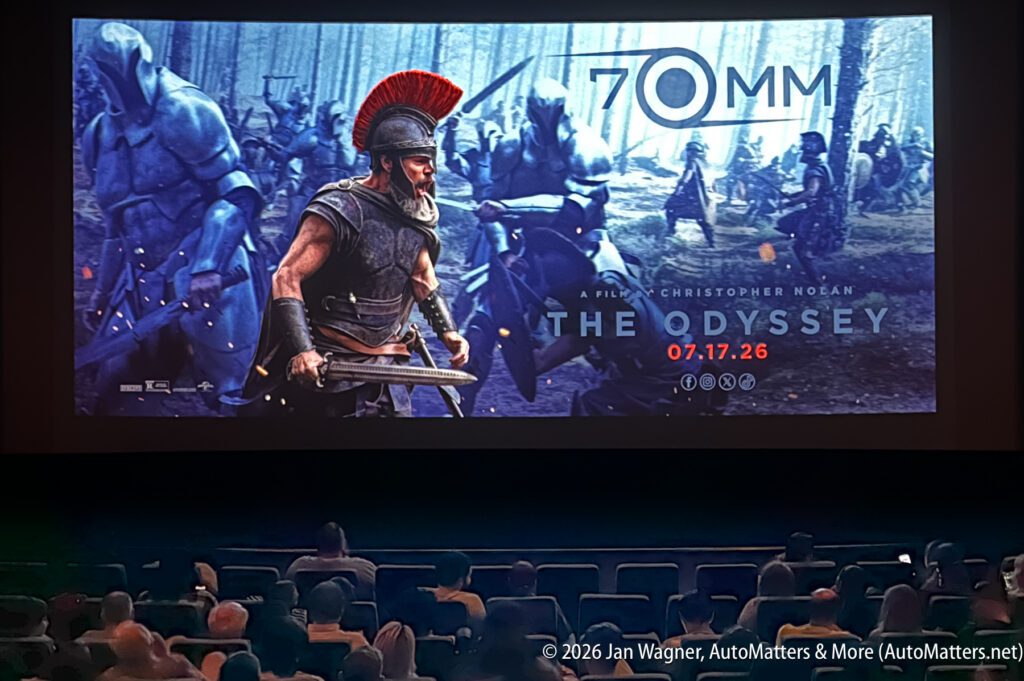
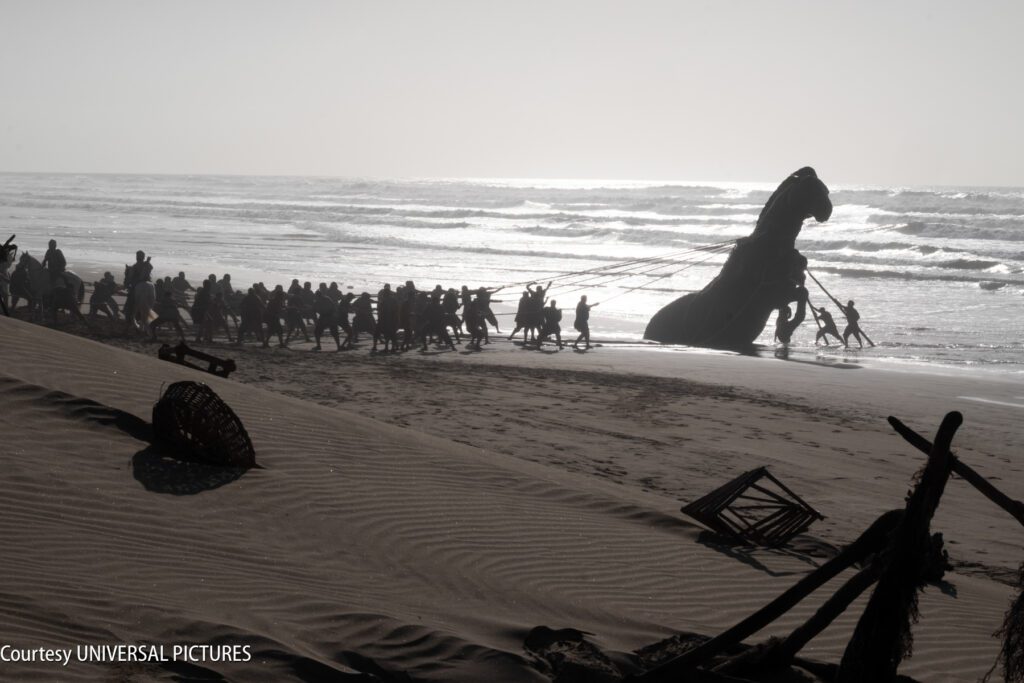
“The Odyssey’s” non-linear timeline begins at the time of the siege of Troy, as we see Nolan’s unique Trojan Horse, partially submerged in on a beach like the Statue of Liberty was in the “Planet of the Apes.” Much of the movie is about what happened afterwards, about Odysseus and his 10-year journey home that featured encounters with the Cyclops, sirens, sorceresses and monsters in graphic realism.
A recurring theme was Odysseus’ reminders to his men to always honor Zeus’ moral imperative of being hospitable to strangers, including travelers, beggars and the helpless — who might be gods in disguise, testing them. That imperative of being hospitable did not, of course, apply to fighting back, which they did with deadly ferocity.
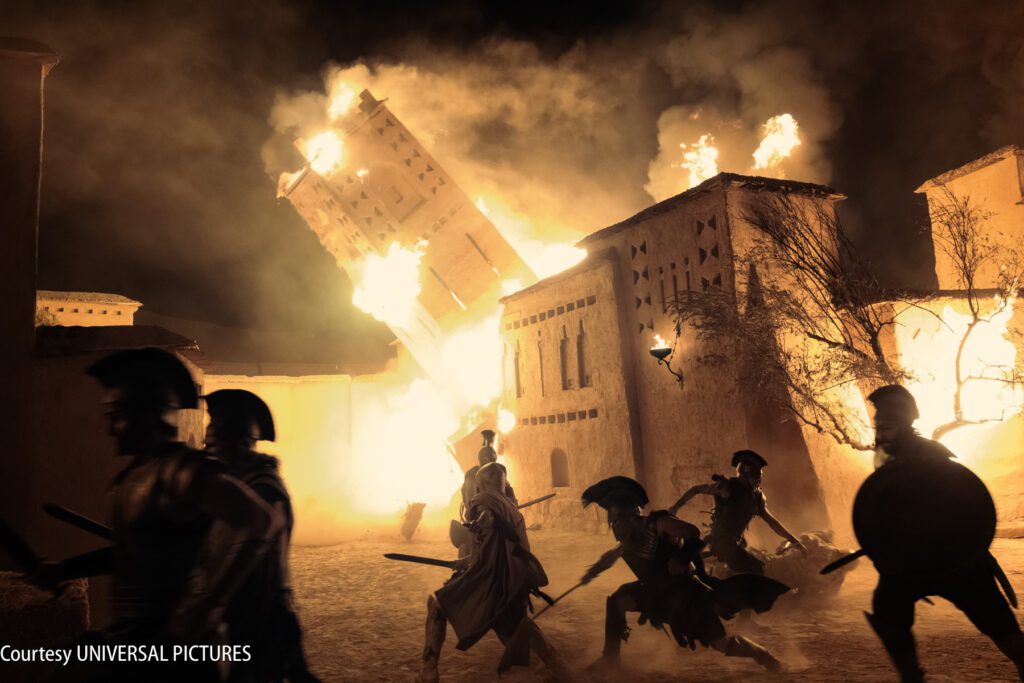
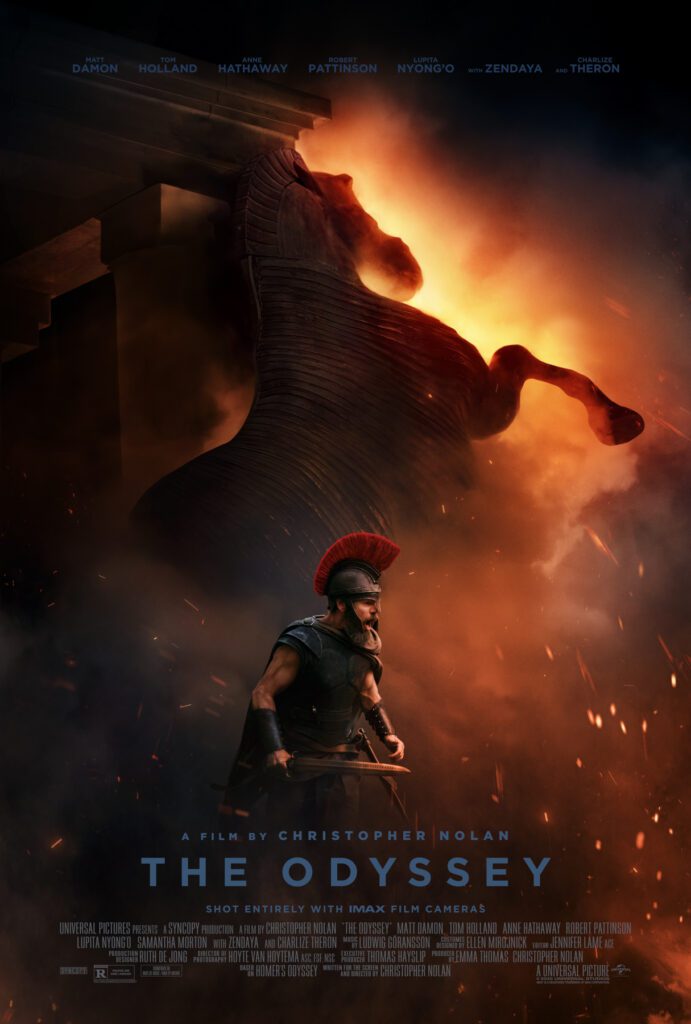
Shooting an ancient, historical fantasy film with lifelike imaginary creatures, large-scale action sequences, unique props and immersive settings would typically rely heavily on computer-generated special effects, due in part to budget constraints, but Nolan’s vast record of Box Office successes gave studios the confidence to invest huge sums of money to enable him to buy or build much of what he wanted.
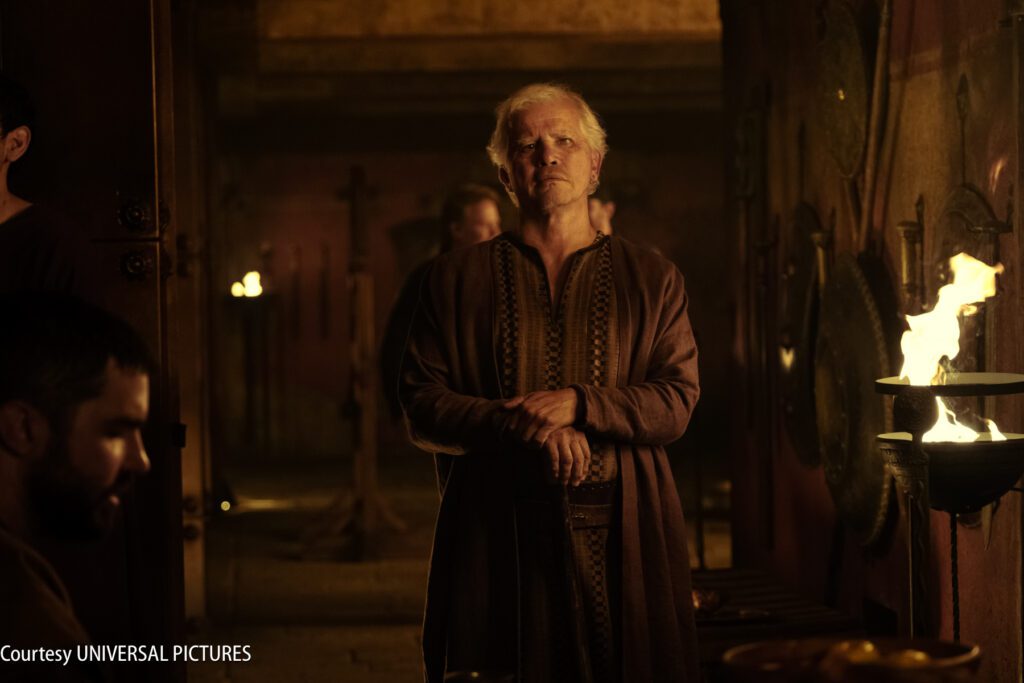
To make “The Odyssey” appear much more real, Nolan made extensive use of live stunts, thousands of extras; exquisite backgrounds and existing architecture, on a colossal scale, that blended well together with the constructed sets, without the need for set extensions; 5,300 costumes specially designed and produced by a crew of over 500; locations that included Morocco, Italy, Greece, Iceland, Scotland, Spain, England, New Zealand, New York and Los Angeles; and filming during fierce ocean storms, deafening thunder and battering tides. The Production Notes tell us that for Odyssius’ principal, full-scale longship, they found and only needed to make minor modifications to the Draken, which had been built to ancient specifications and from period appropriate materials in Norway. The set of Troy was covered over 2.5 acres. 15 full-grown olive trees were craned-in. Vast stone steps leading up to the large Temple of Athena were built by hand.
Nolan pushed his cast to the limits of what they were able to endure physically, to perform what can be seen in the action sequences of “The Odyssey.” “Every vessel, every beach landing, every mile traveled offshore was driven by a commitment to authenticity, performing marine feats that, in many cases, had never been attempted before.”
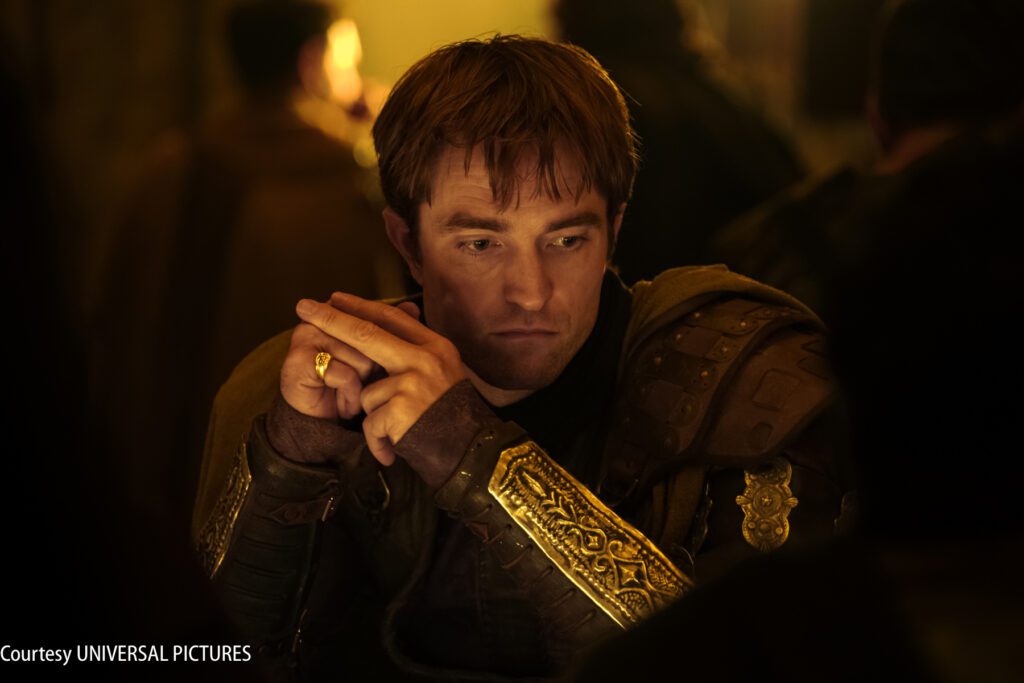
To safely light night scenes that appeared to be lit by flaming torches, they worked with an outside vendor to design and manufacture thousands of custom, hexagon-shaped LED lights that emitted light the color and movement of fire.
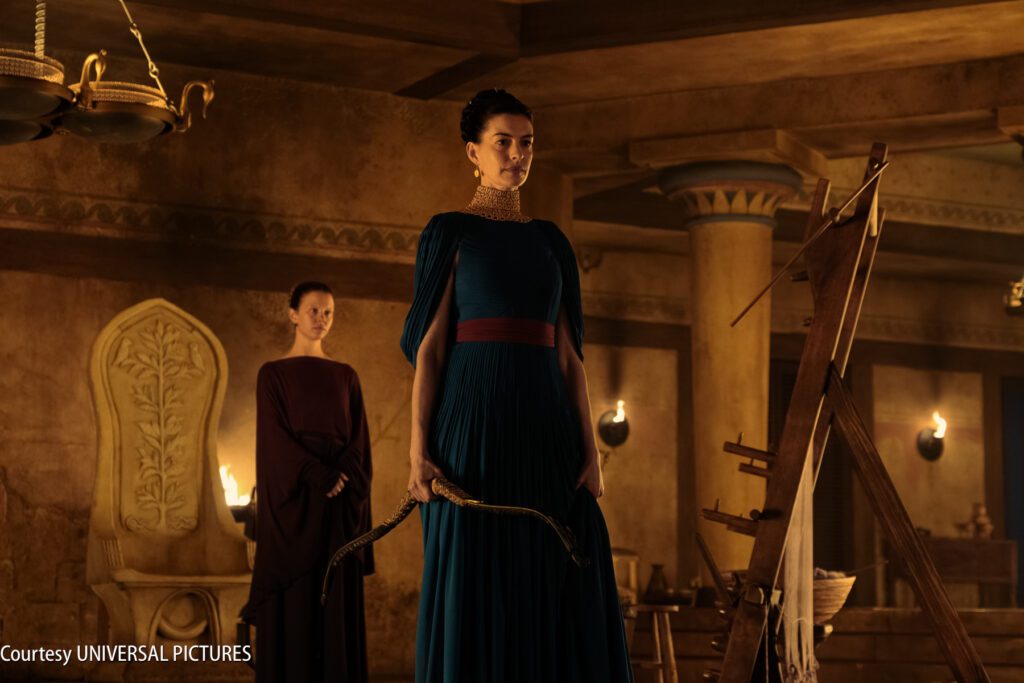
The visual effects were incredibly lifelike, as in scenes in the cave with the gigantic, grotesque and deadly Cyclops.
In Jon Stewart’s recent interview of Christopher Nolan on “The Daily Show” (https://youtu.be/DWABbDtyfeA?si=uveGlizXb7Adbgmn), Jon referred to Nolan’s previous film “Oppenheimer,” noting similarities in the main characters’ soul-searching reflections about the life-changing impacts that their actions had on the world around them.
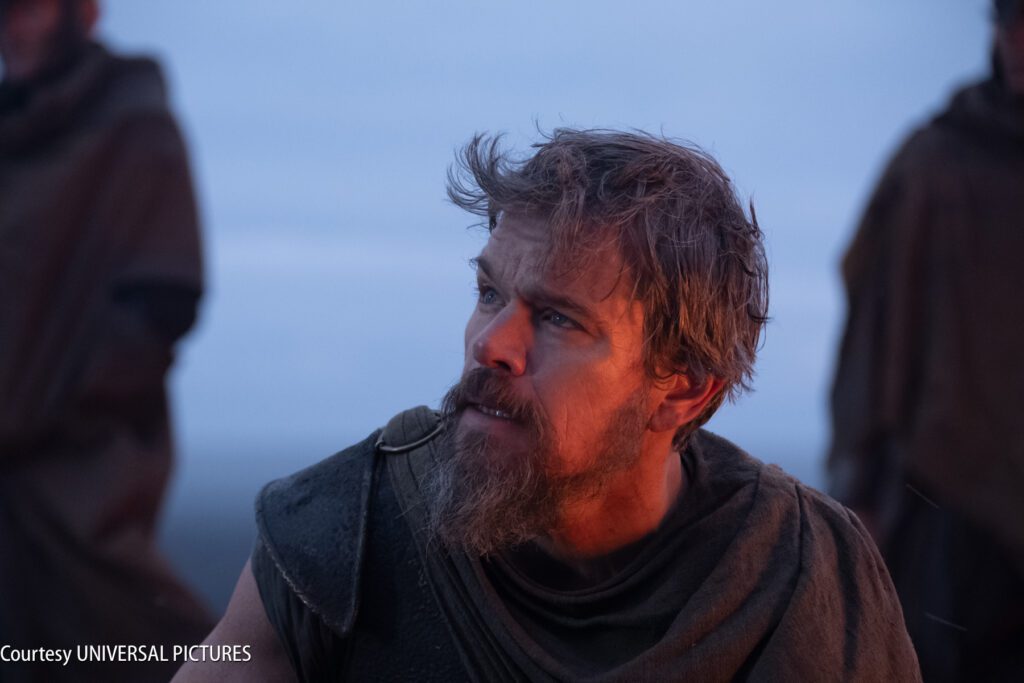
The interview revealed “Nolan’s process of constructing movies through diagrams and structures, his embrace of the fantastical while showing respect to the film’s source material, and finishing ahead of schedule despite filming with an IMAX camera in three-minute increments.”
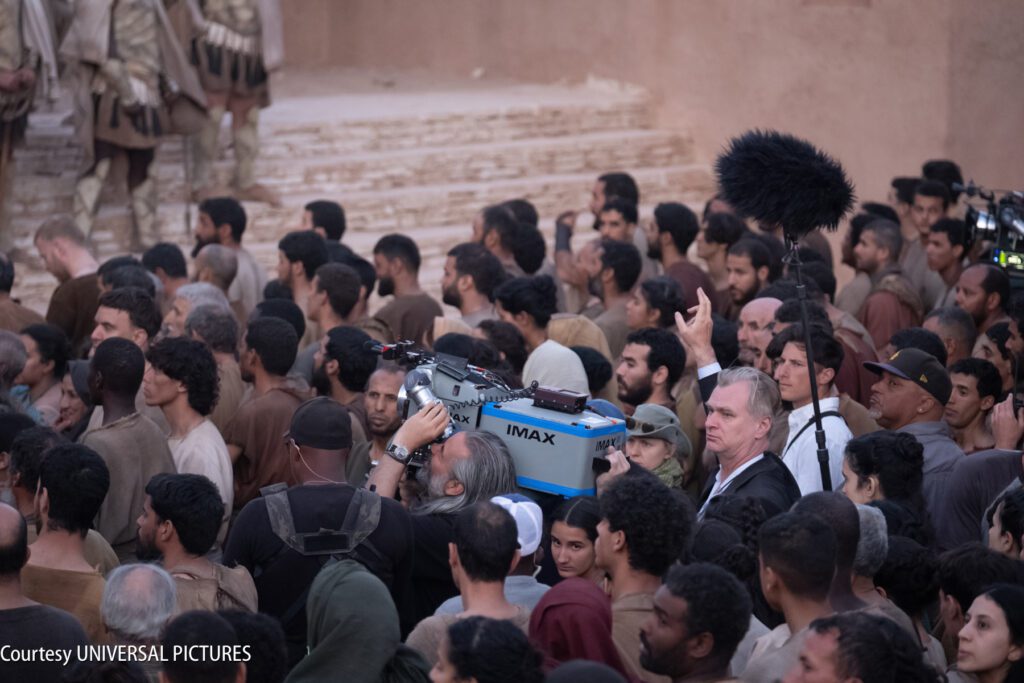
We learned that IMAX cameras are especially noisy — too noisy for shooting dialog. Nolan promised to shoot his entire film — including the dialog, in IMAX if they would design and build a next-generation, IMAX camera muffler. They did, along with a new IMAX camera that fit inside (https://youtu.be/WftHLM-mpQs?si=56nSm2bxNpD8XPcH).
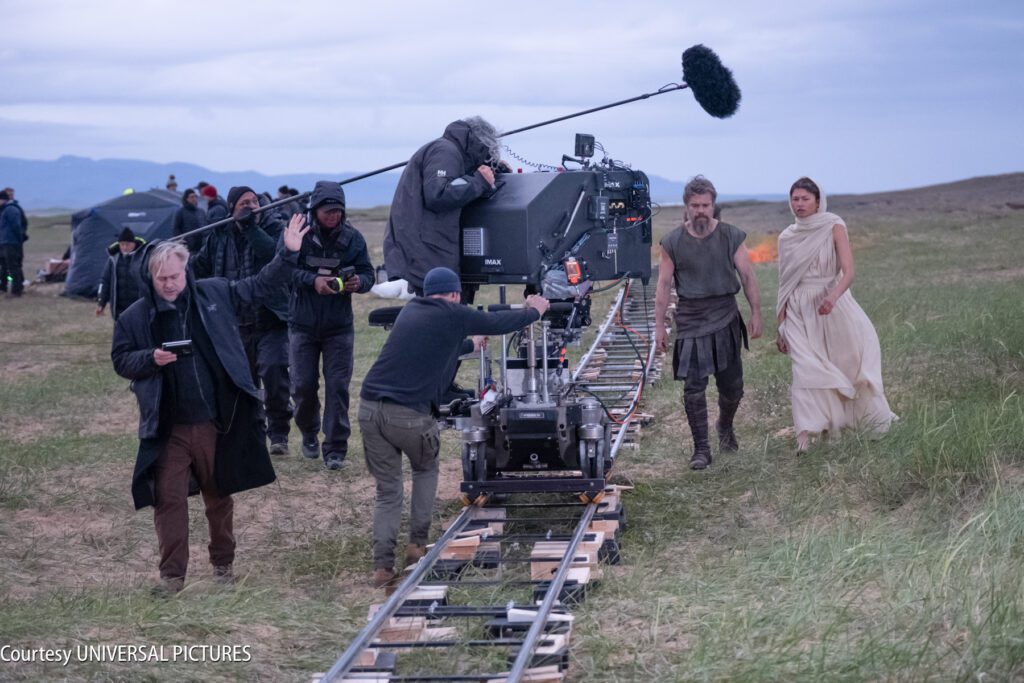
“The Odyssey” was written for the screen and directed by Oscar-winning Christopher Nolan. He produced it with his wife and fellow Oscar-winner, Emma Thomas. Together they have co-produced all of Nolan’s feature films.
To see an official Universal Pictures trailer for “The Odyssey,” visit: https://youtu.be/Mzw2ttJD2qQ?si=KKC4TIV8LtH6KfDC.
To explore a wide variety of content dating back to 2002, with the most photos and the latest text, visit “AutoMatters & More” at https://automatters.net. Search by title or topic in the Search Bar in the middle of the Home Page or click on the blue ‘years’ boxes and browse.
Jan, this sounds like a terrific movie. I like the idea of less special effects and more emphasis on set building and real locations. I’ll try to see The Odyssey this summer while in Halifax, NS. By good fortune, there is an IMax…and hopefully without 4D! David
David,
This IS a terrific movie, and IMAX is the best way to see it. It was filmed entirely in IMAX.
Jan