James Stevens’ 2026 Winternationals crash highlights NHRA safety
Thankfully, in my many decades of covering and participating in motorsports, I have personally seen very few serious accidents…
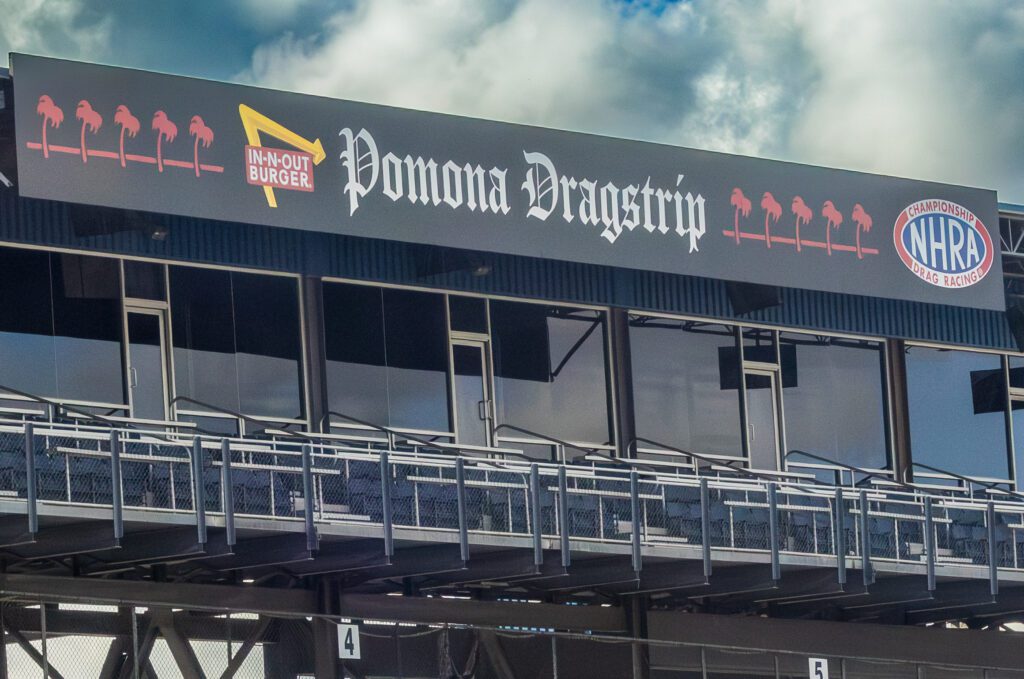
… but on Saturday, April 11th I witnessed and photographed a truly horrific drag racing crash during the 2026 NHRA Lucas Oil Winternationals, at the IN-N-OUT BURGER Pomona Dragstrip.
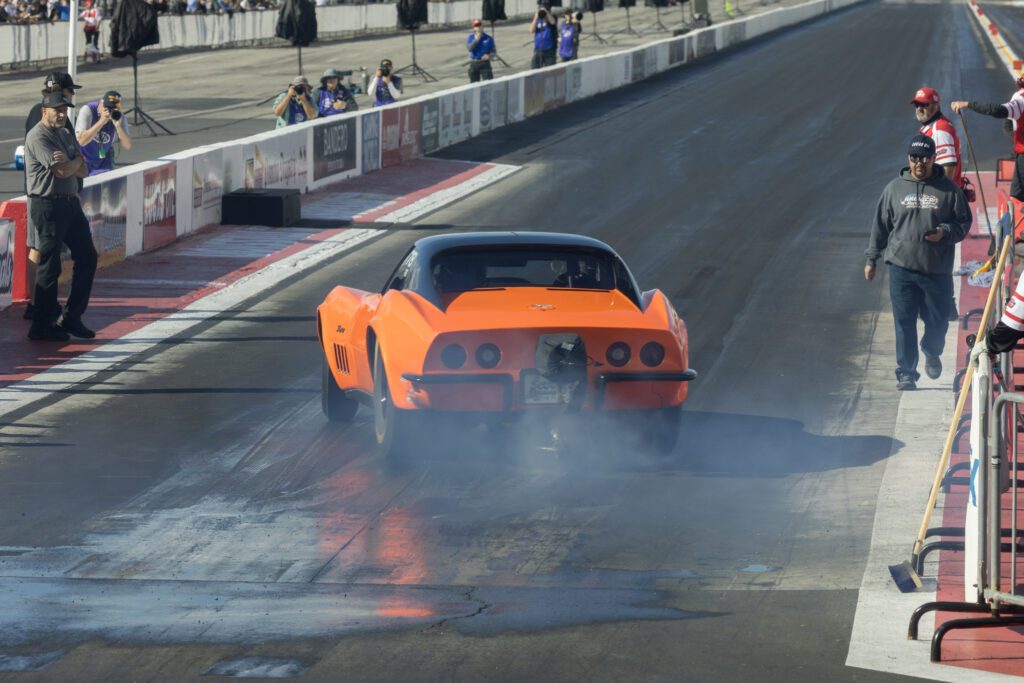
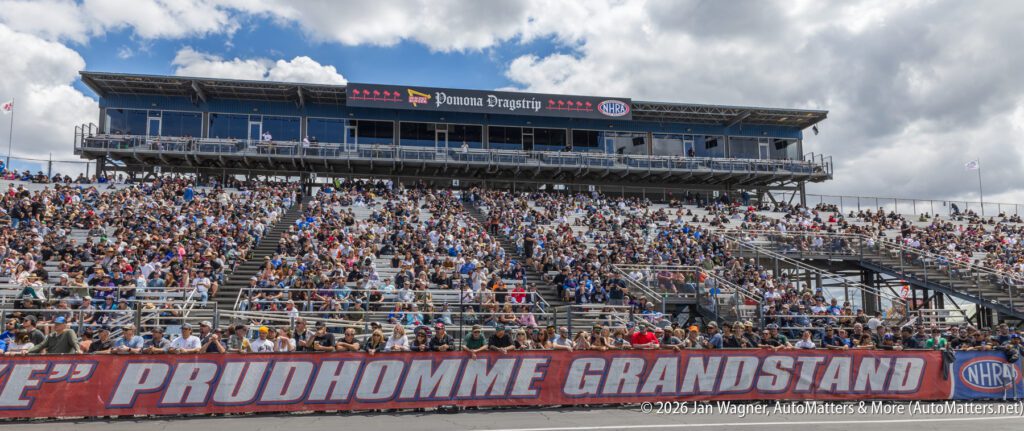
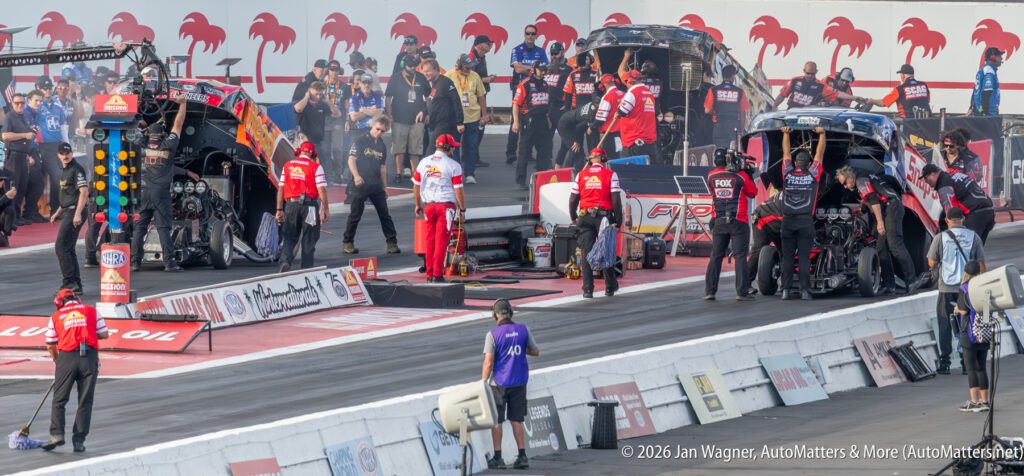
Early in the day I had shot close to the start area of the races — first from inside the Media Center and then trackside to shoot closeups of the drag racing starts, very near to the left-side protective wall and in front of grandstands packed full of fans. The starts were violent, ground-shaking and painfully loud.
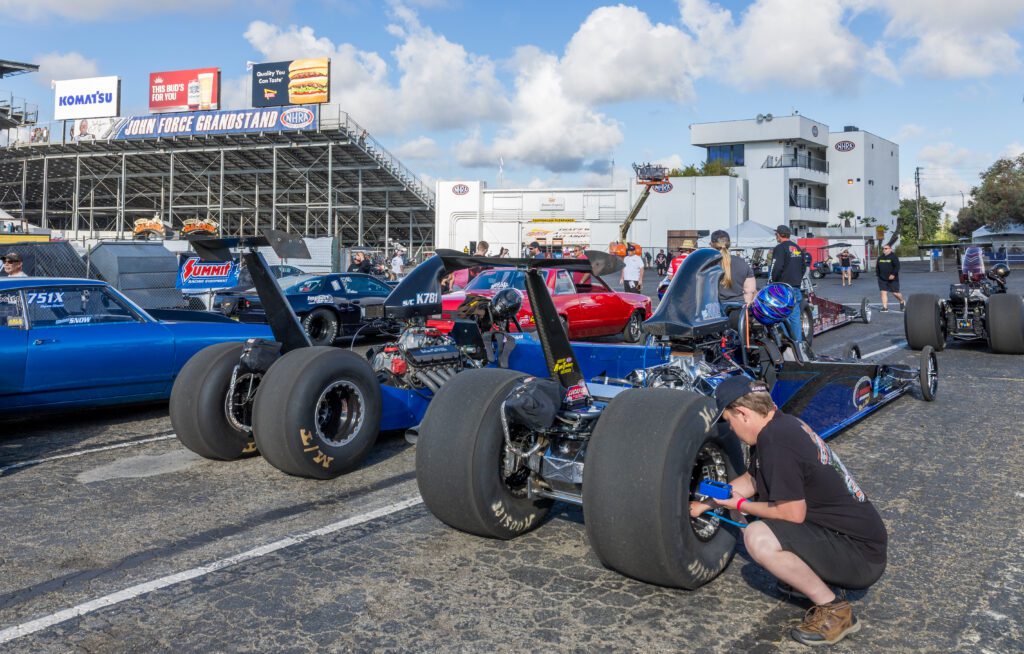
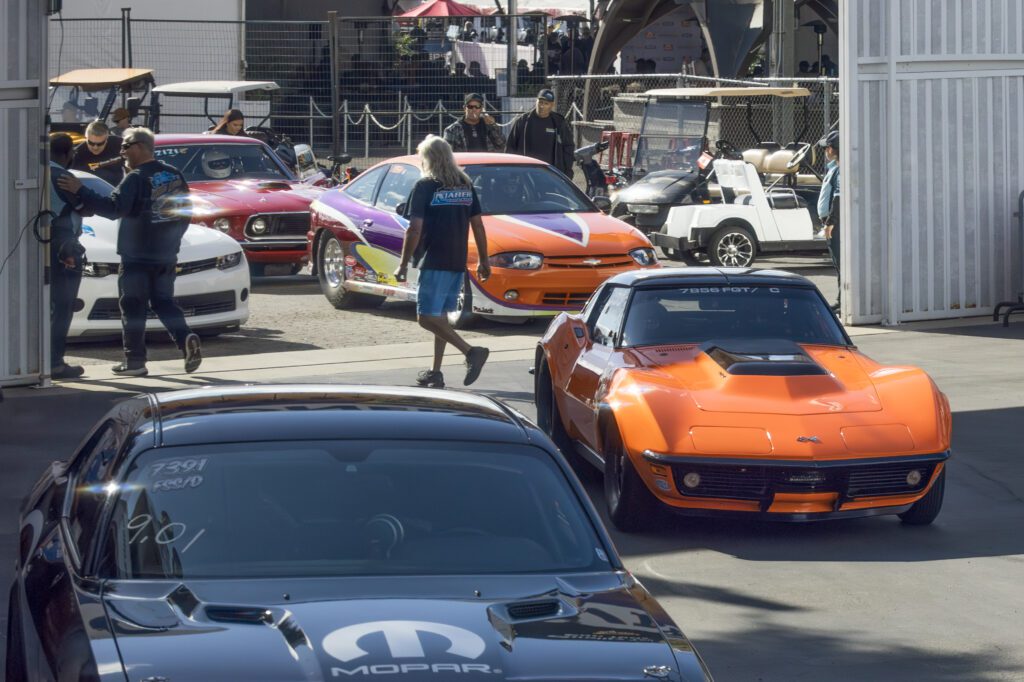
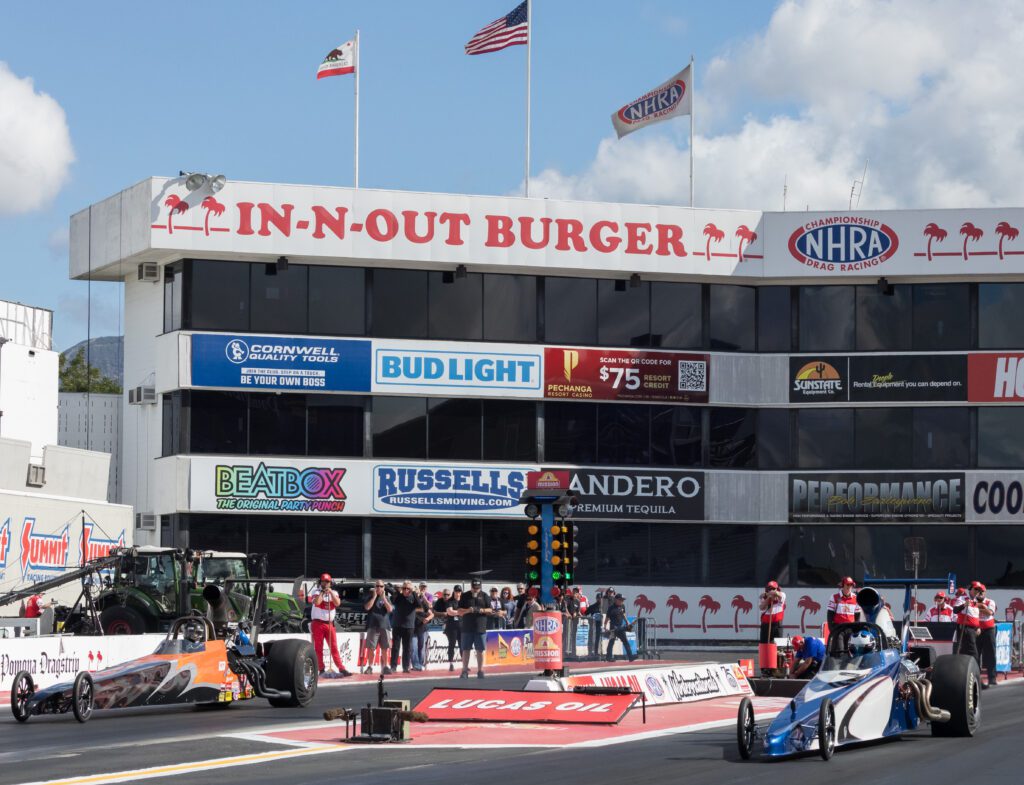
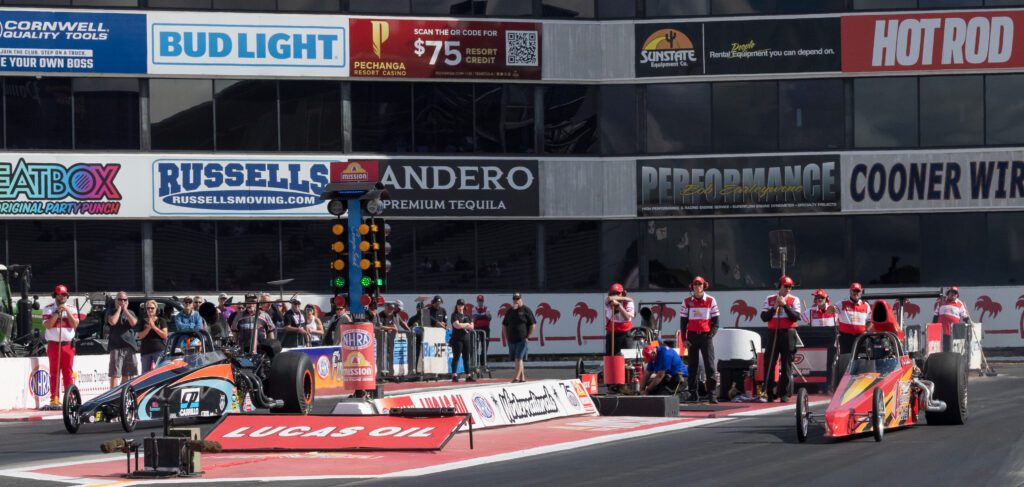
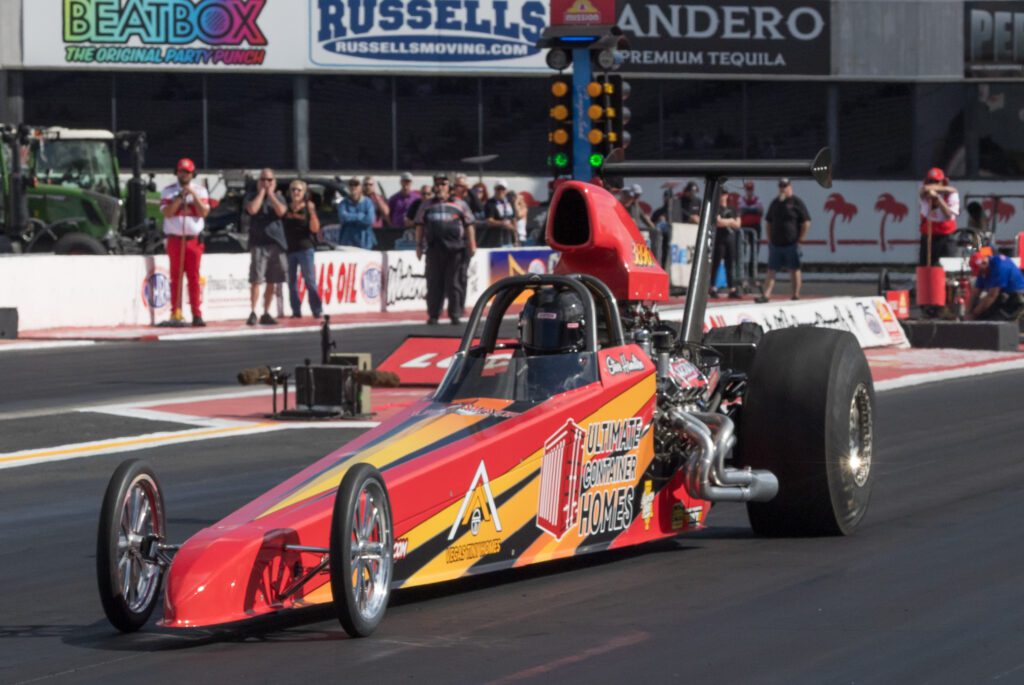
I shot some photos there and then left to walk over to the much-quieter areas on the backside of the grandstands to shoot crews working on the cars in the pits, the vendor areas and more, for much of the day.
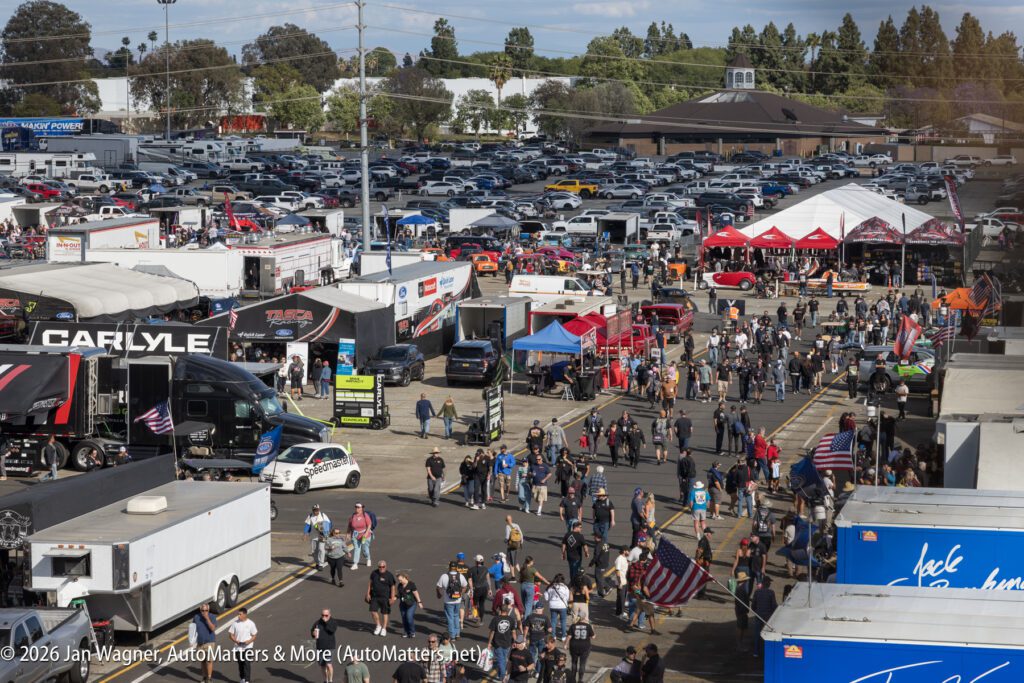
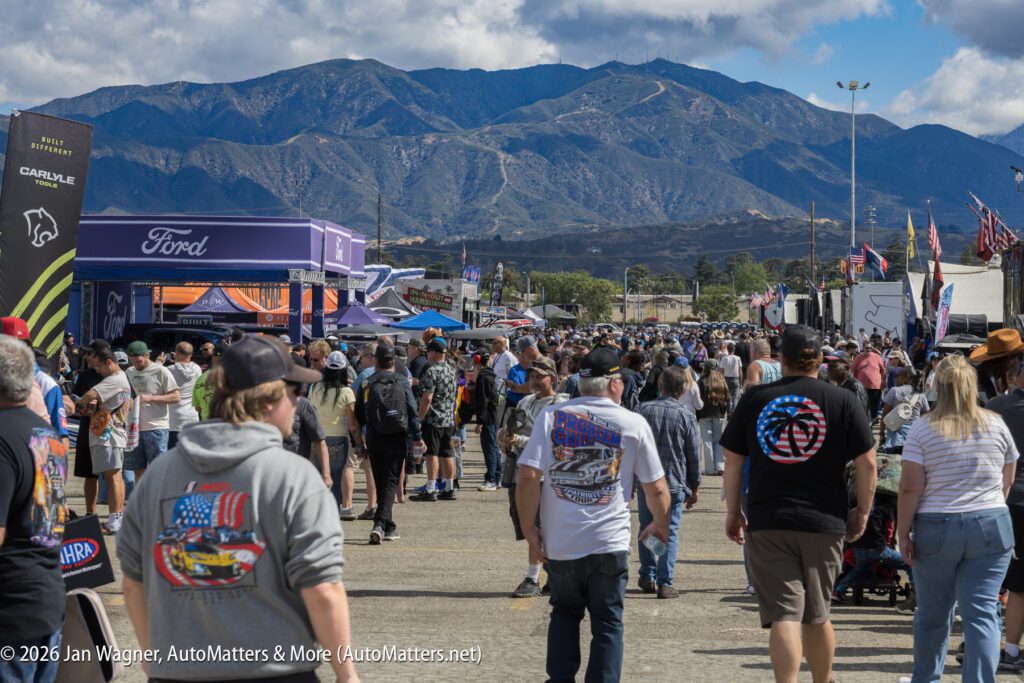
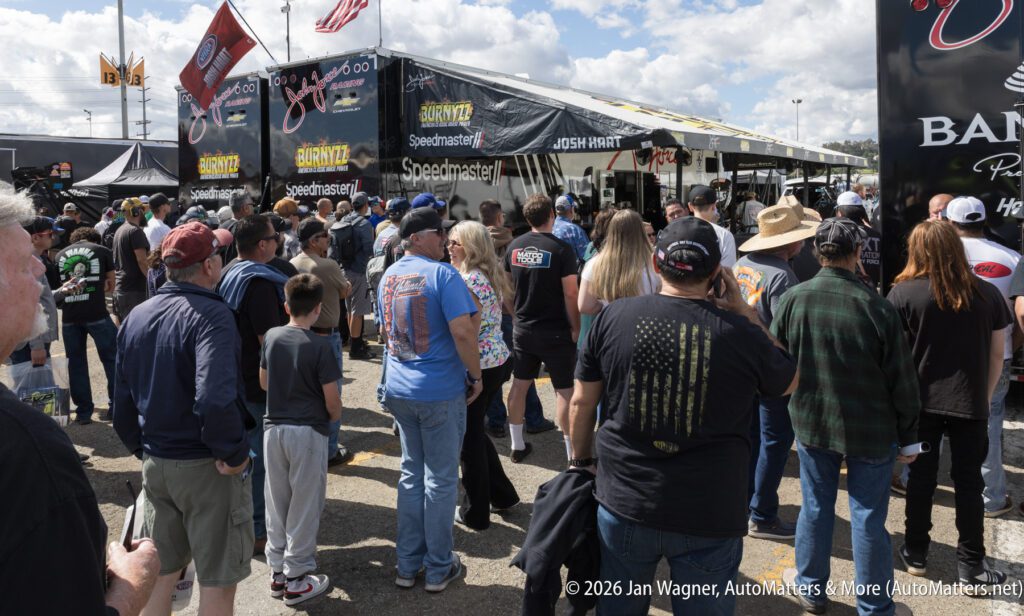
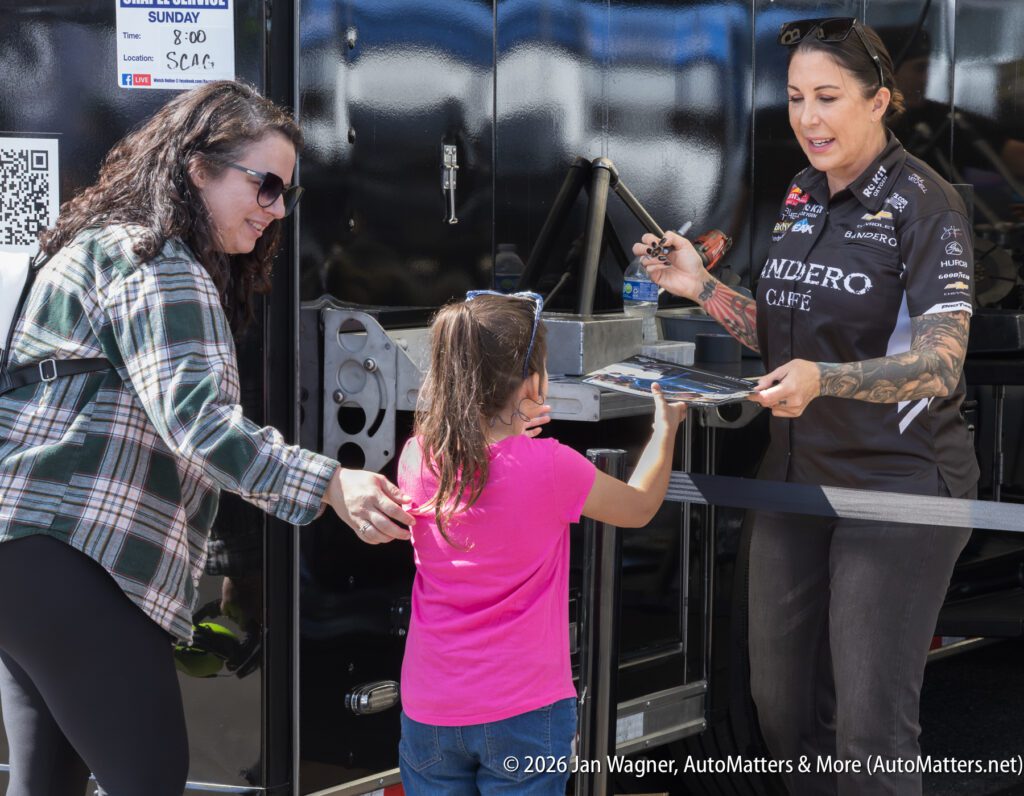
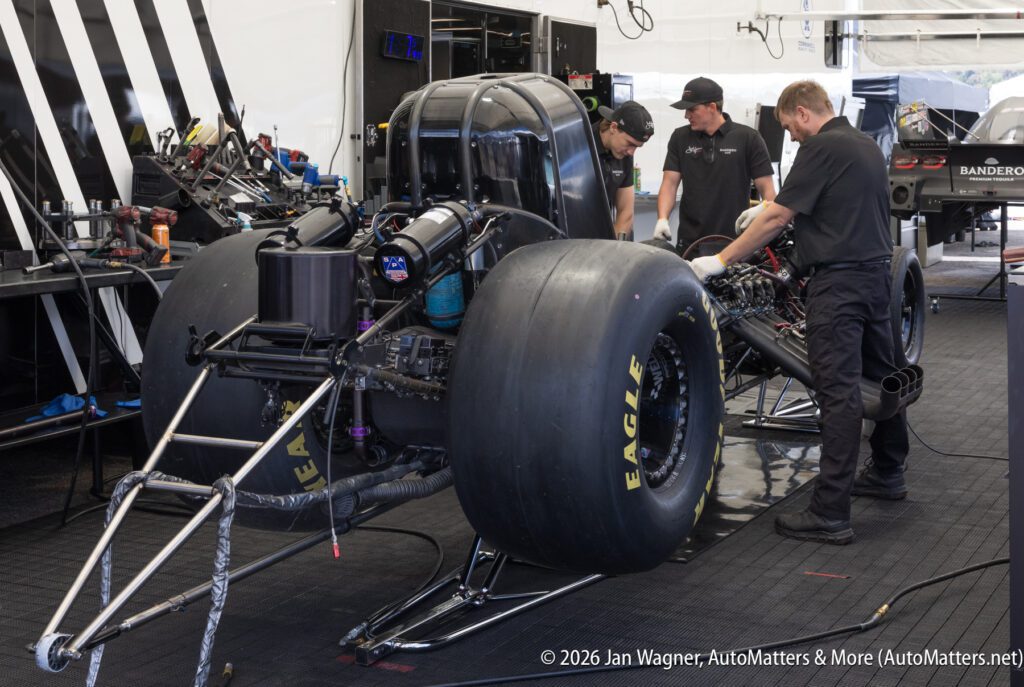
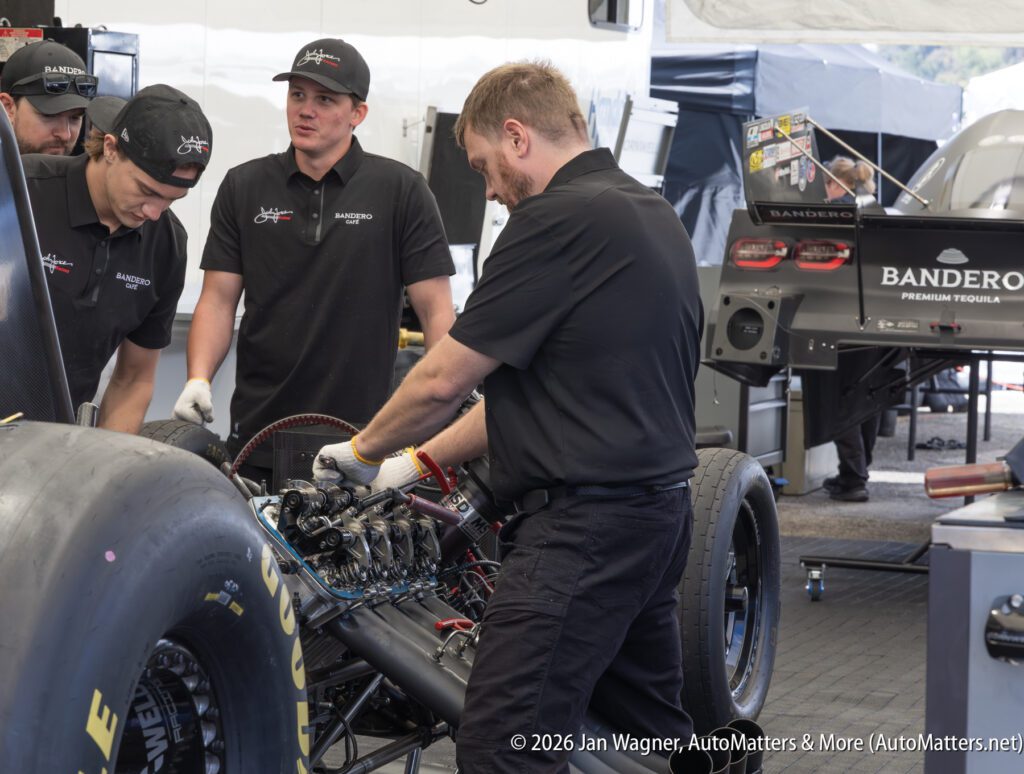
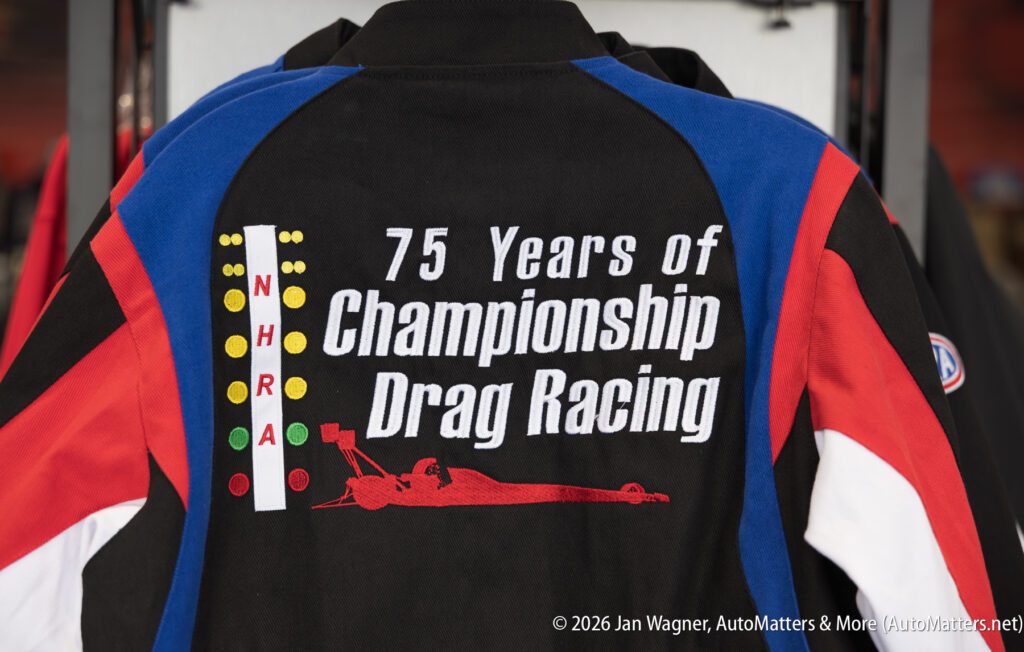

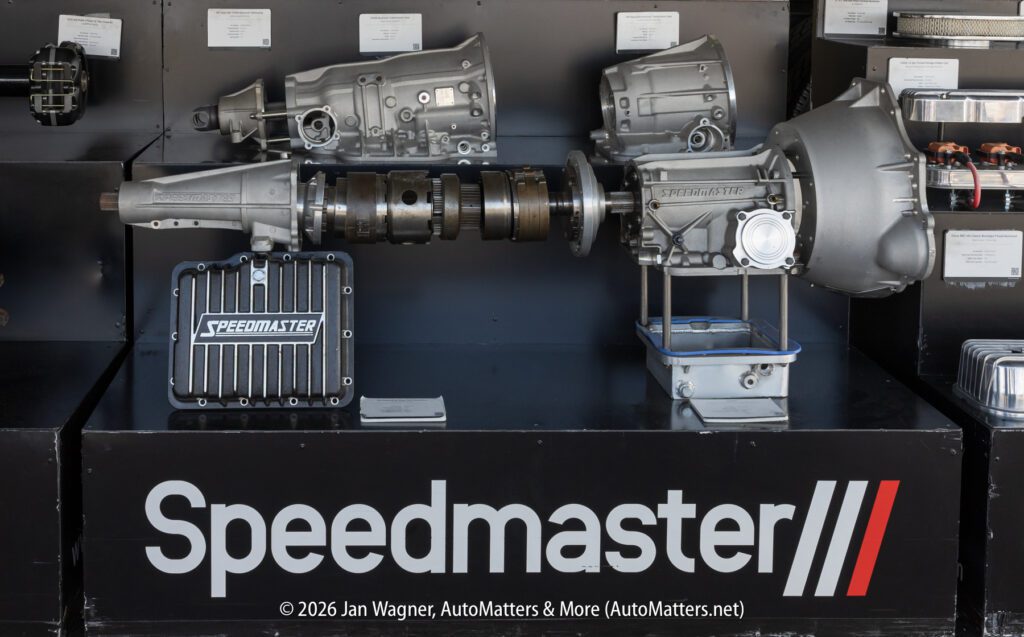
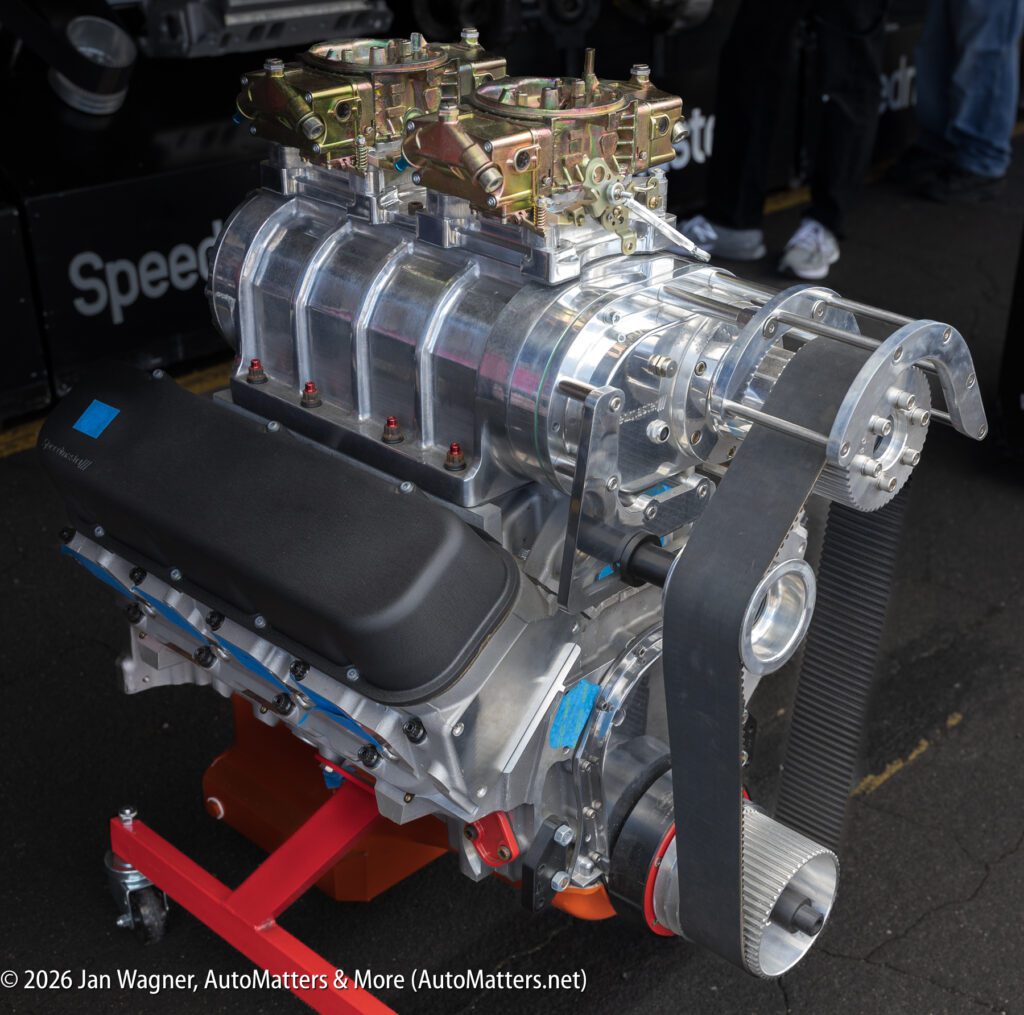
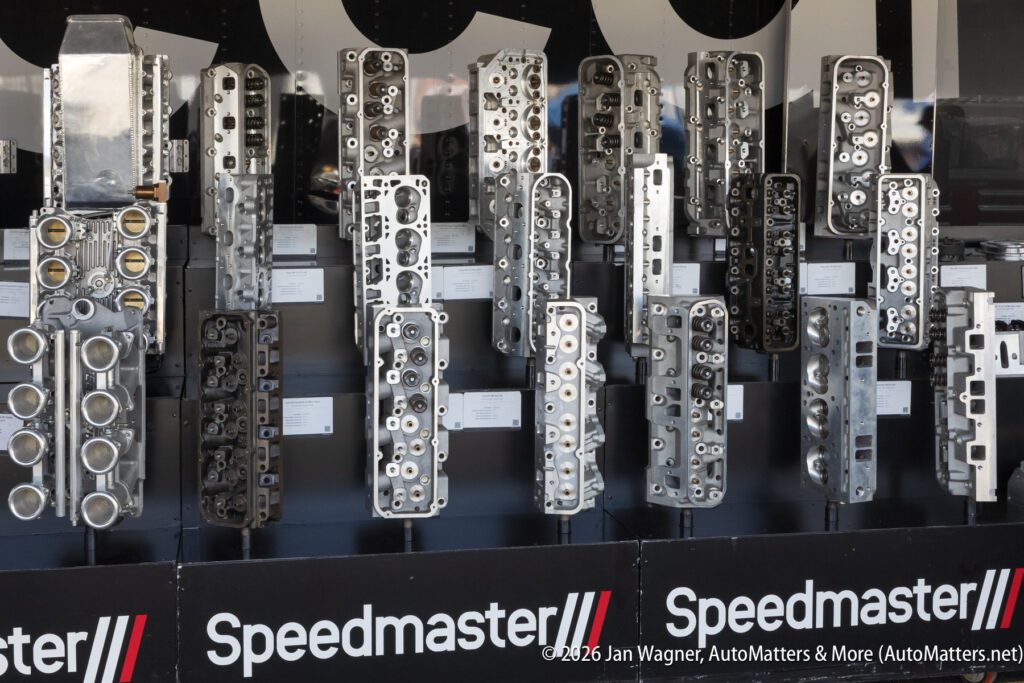
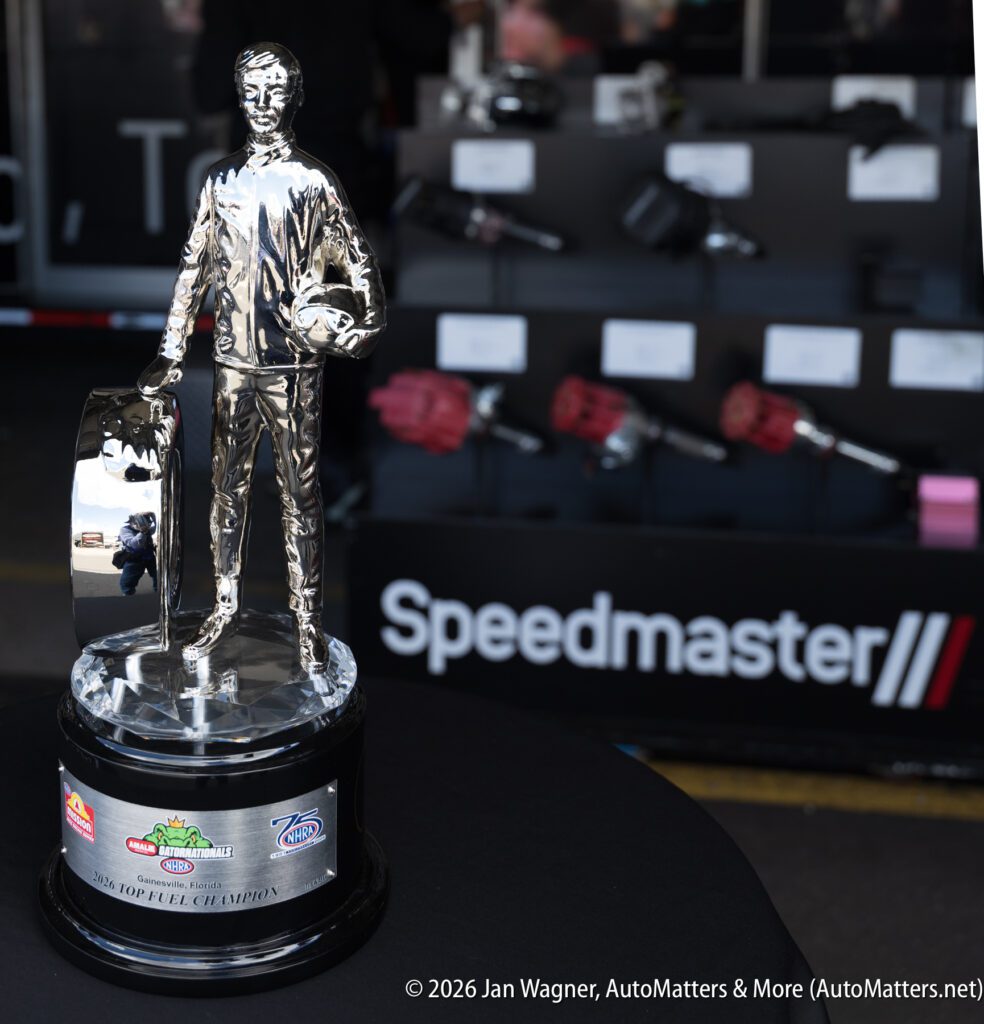
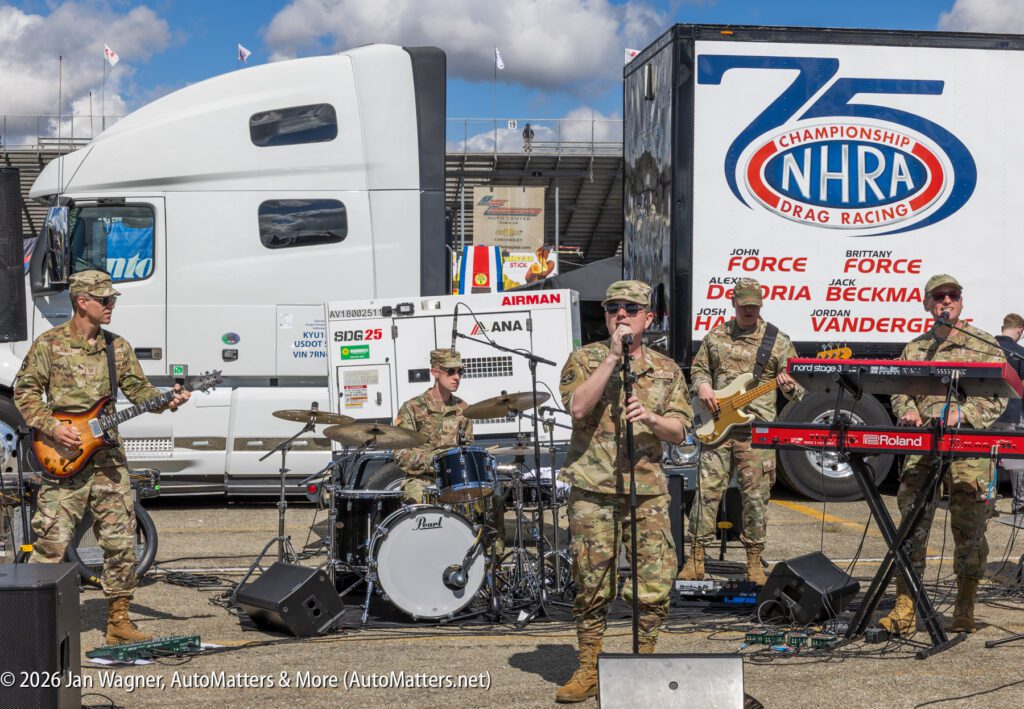
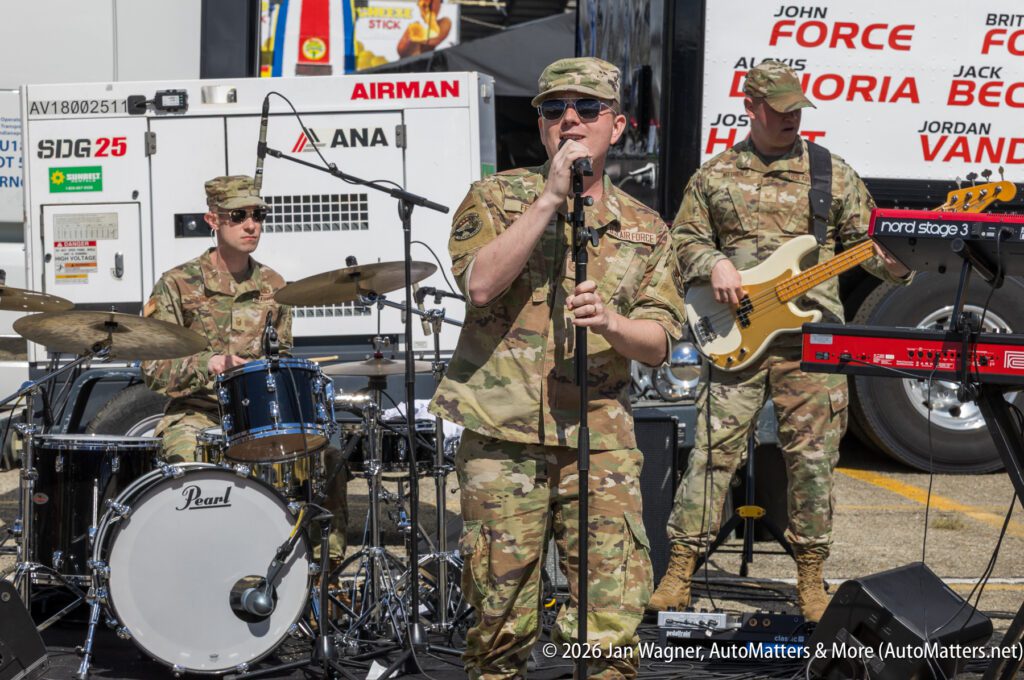
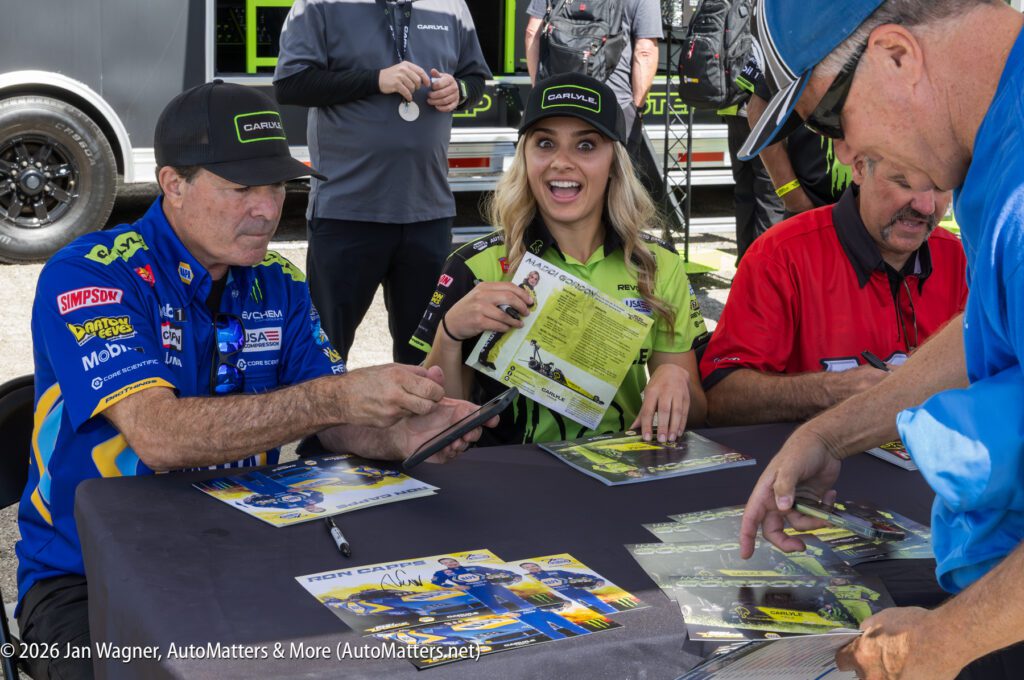
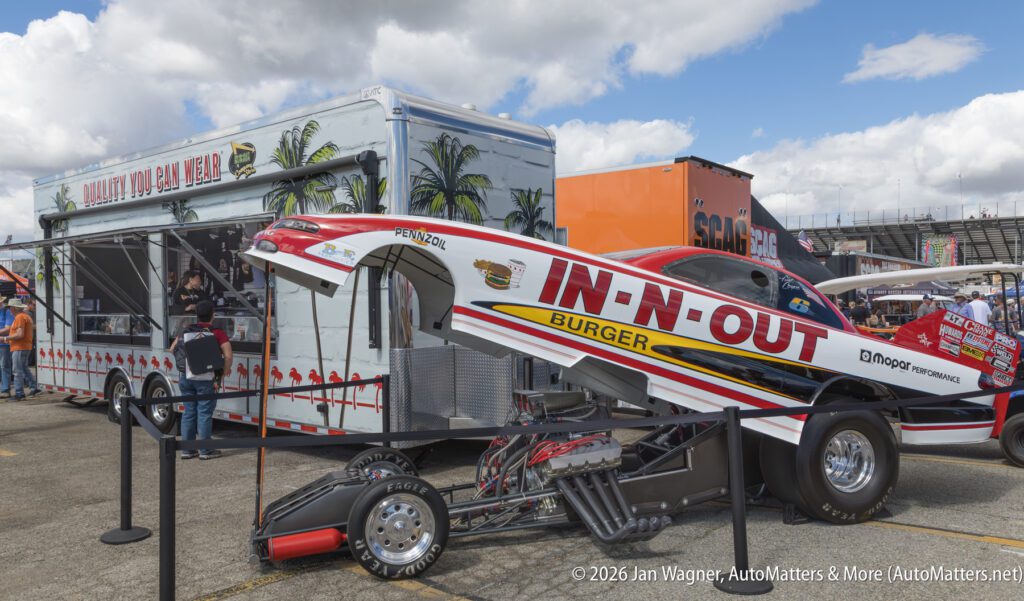
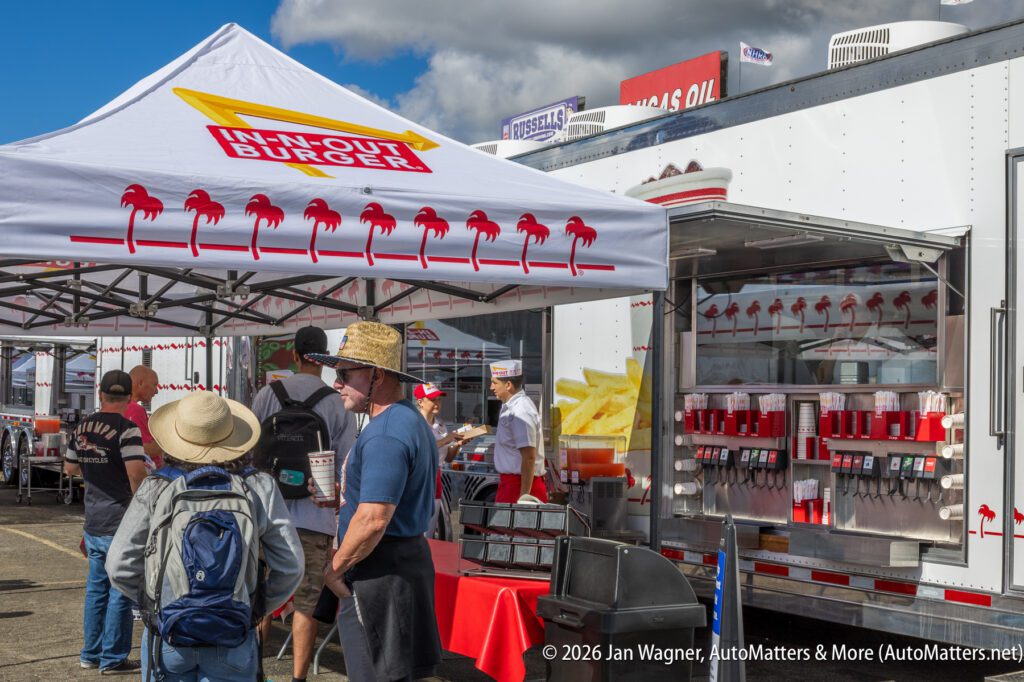
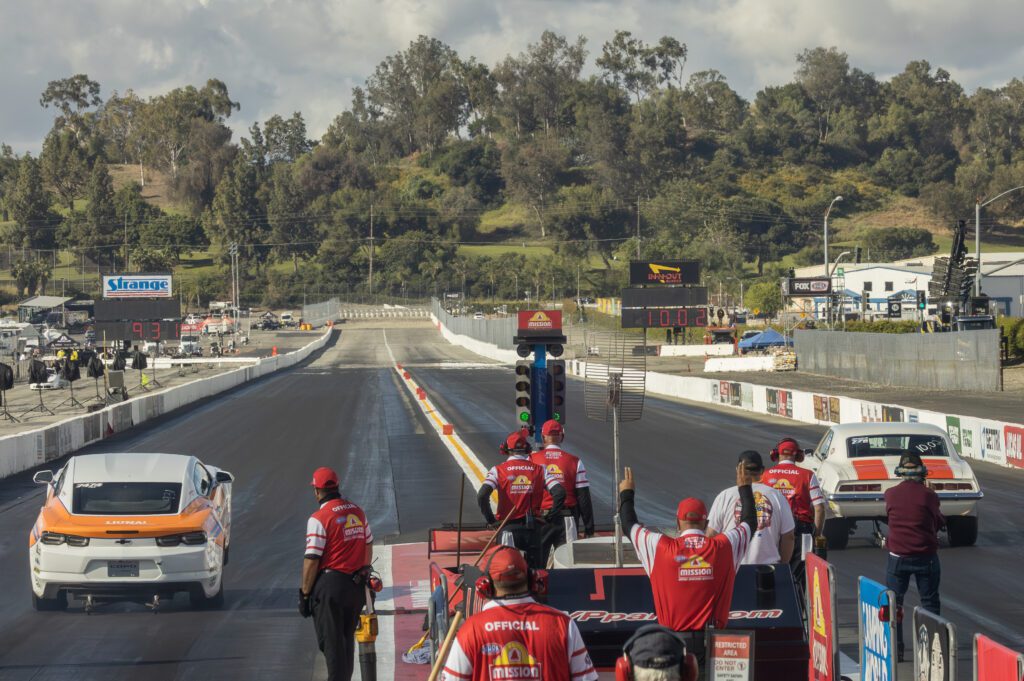
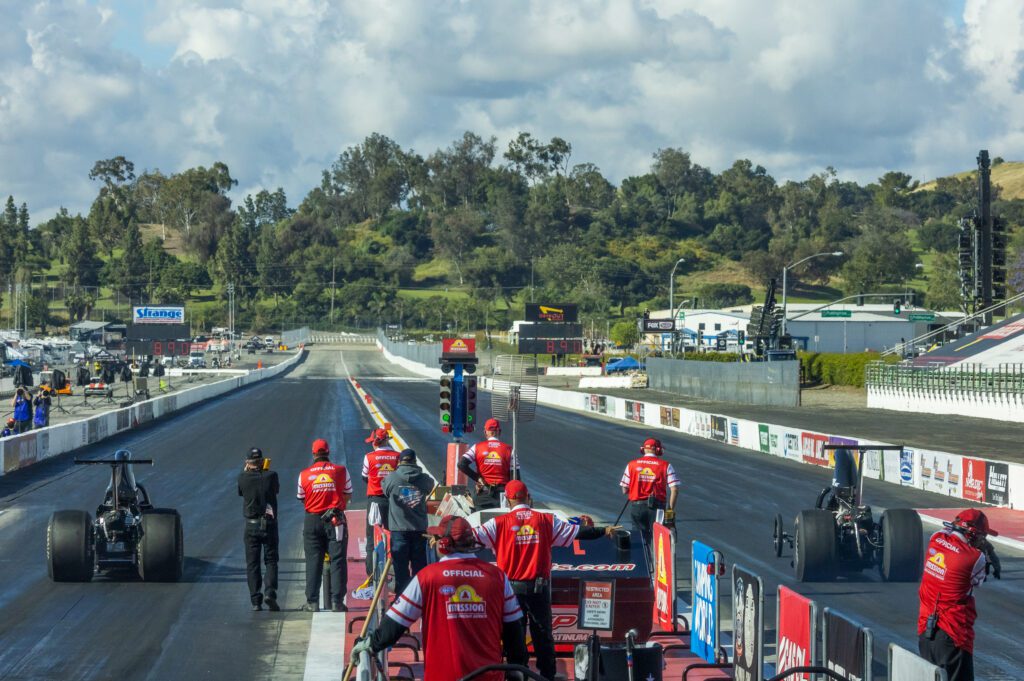
Towards the end of the day, I photographed the drag strip from different perspectives.
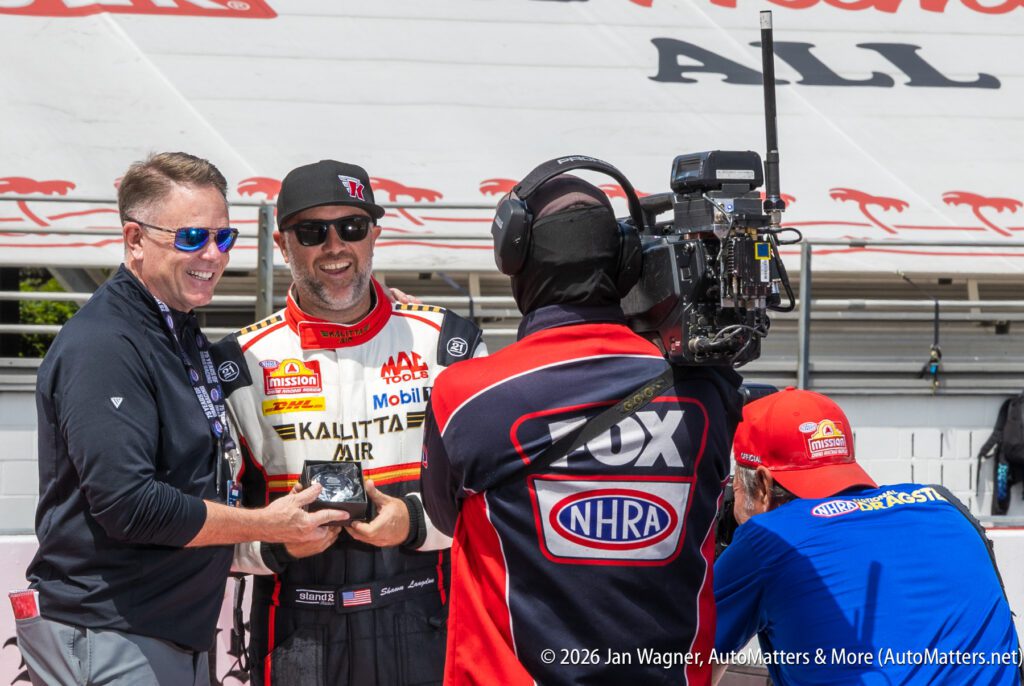
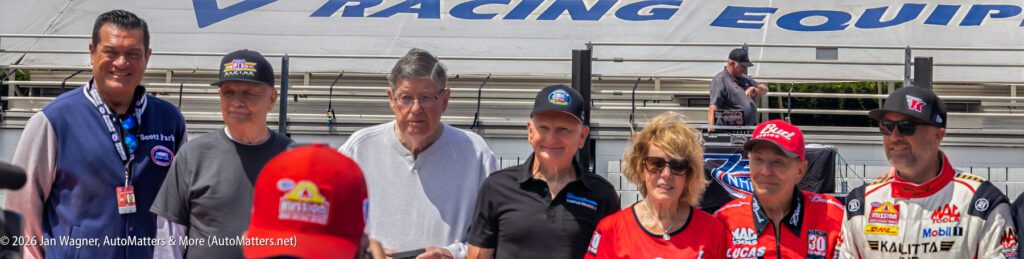
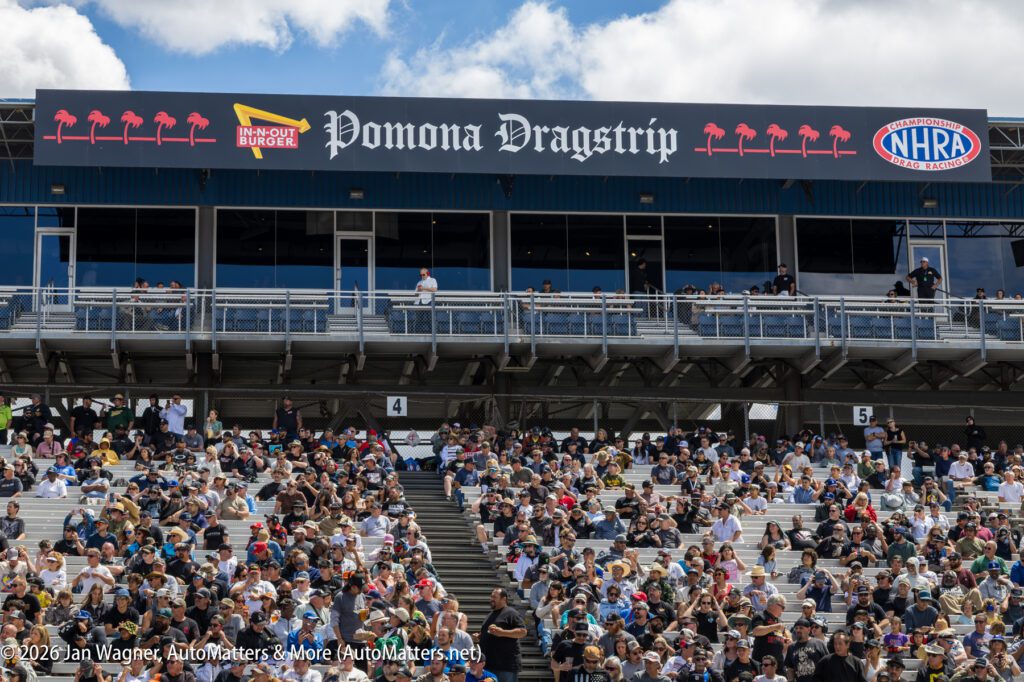
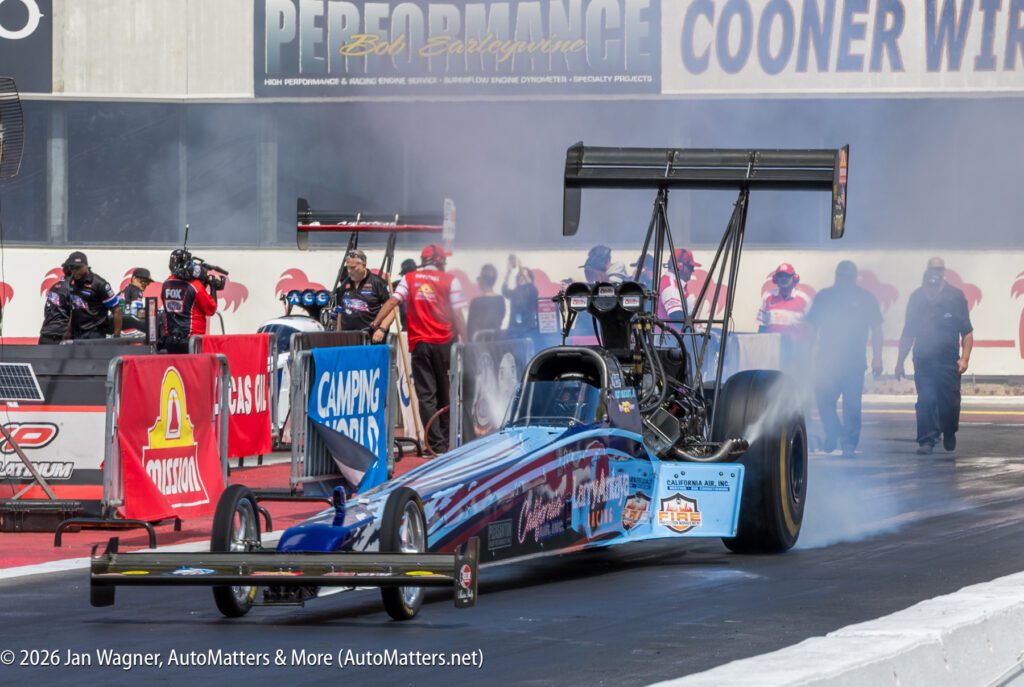
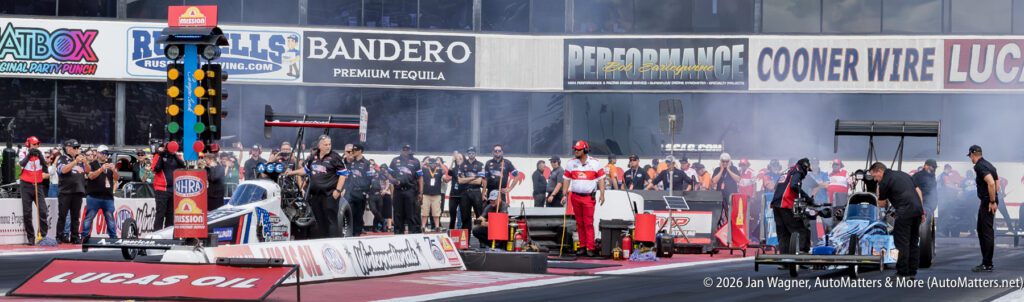
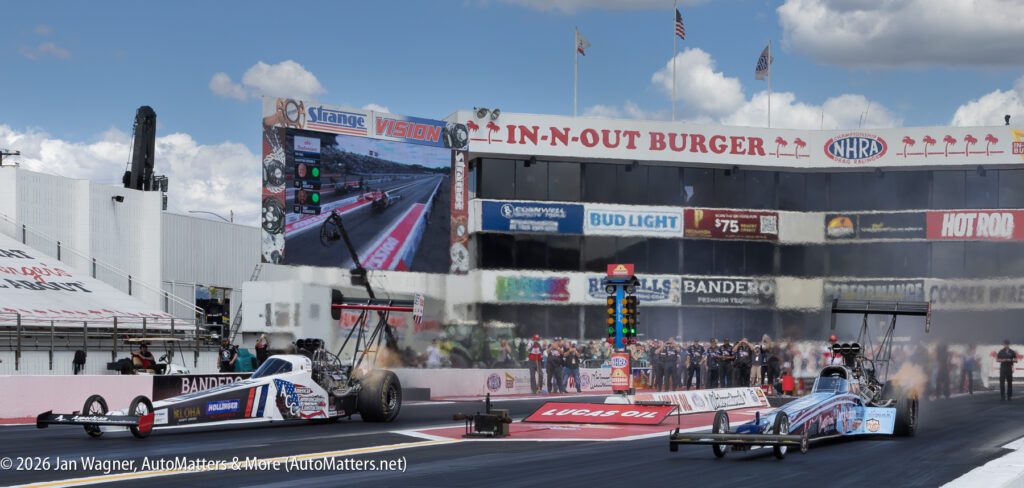
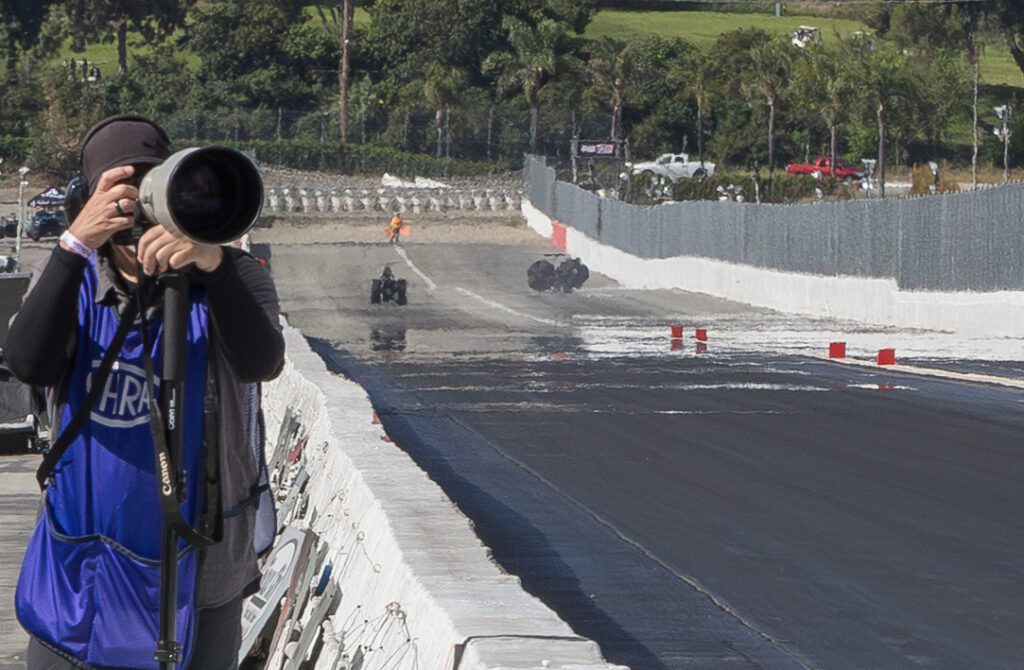
Finally, I climbed up to the top row of the grandstands, about midway down the track. With my long telephoto lens, I was able to zoom way in and shoot the competitors as they lined up behind the “Christmas Tree,” and then follow them as they raced past me, on their way to the finish line. They accelerated so fast that their races began and were over in barely more than an instant.
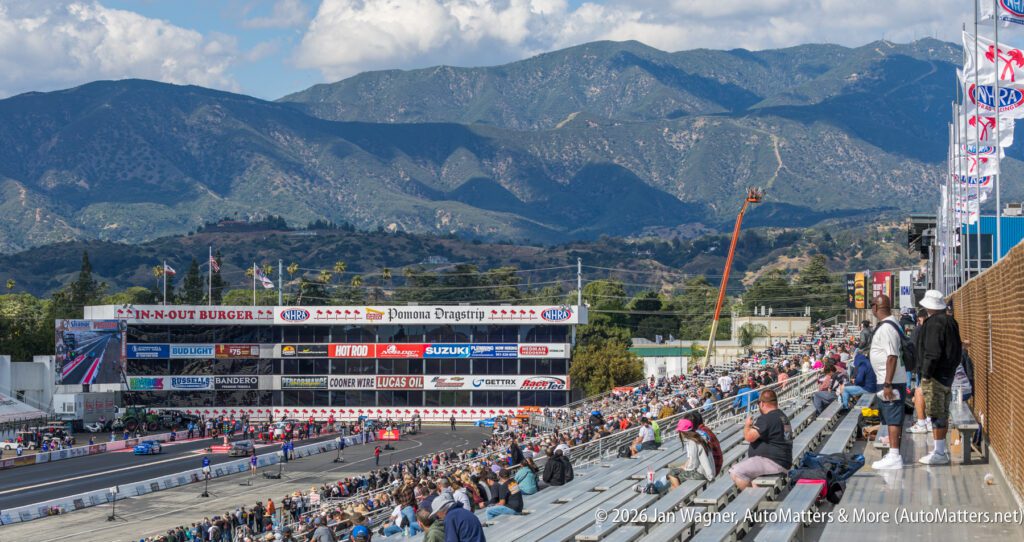
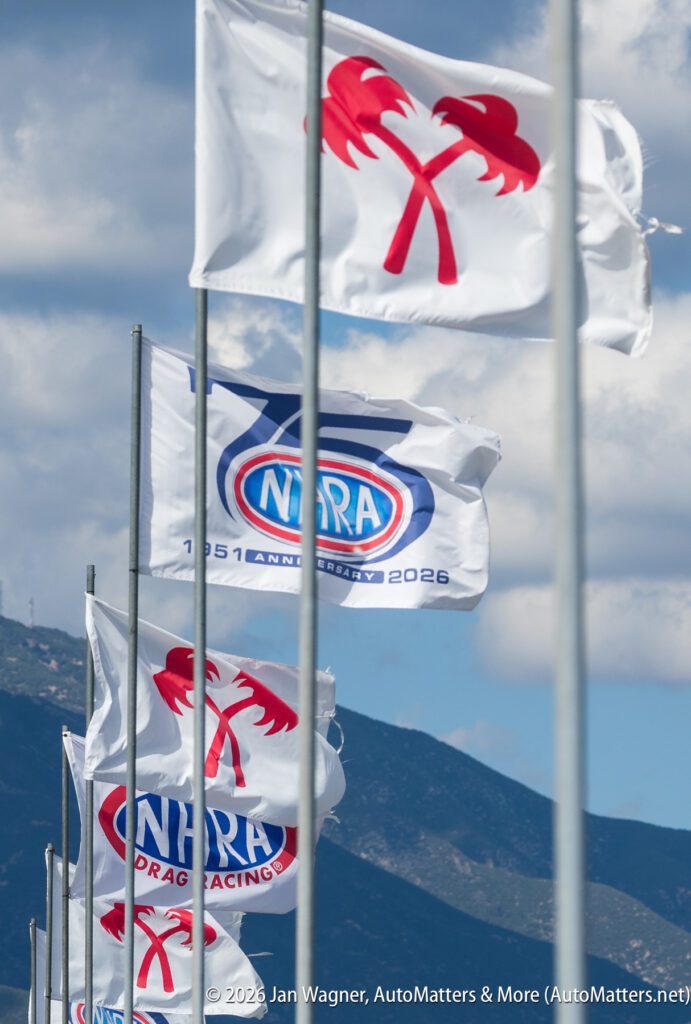
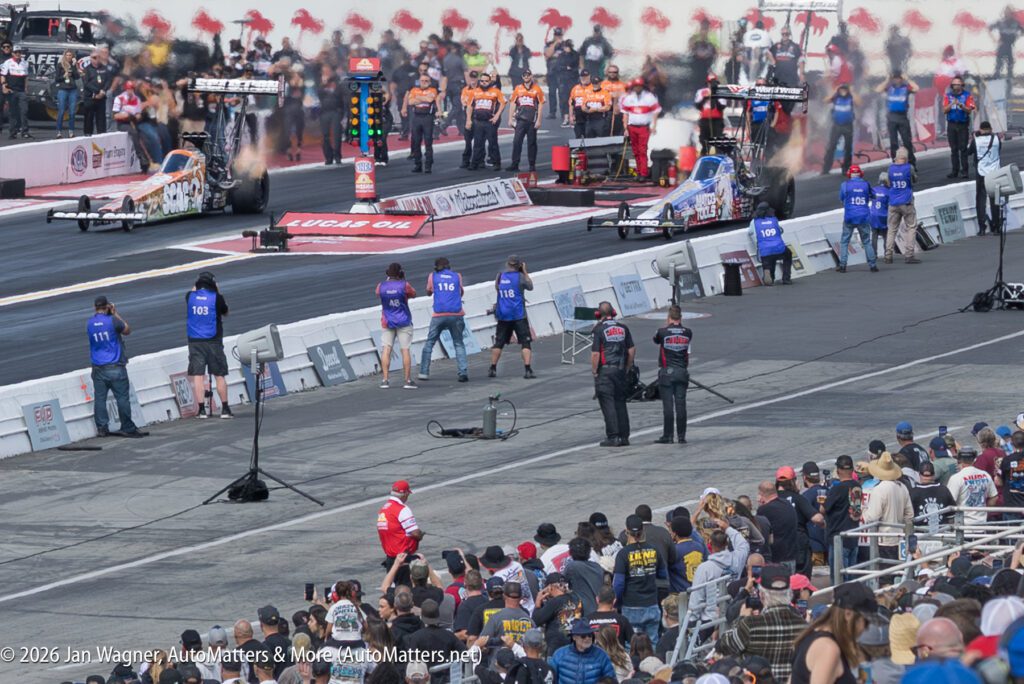
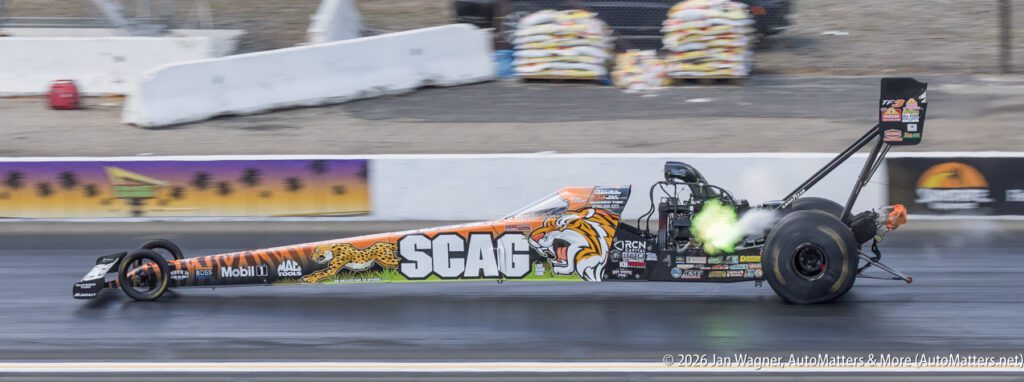
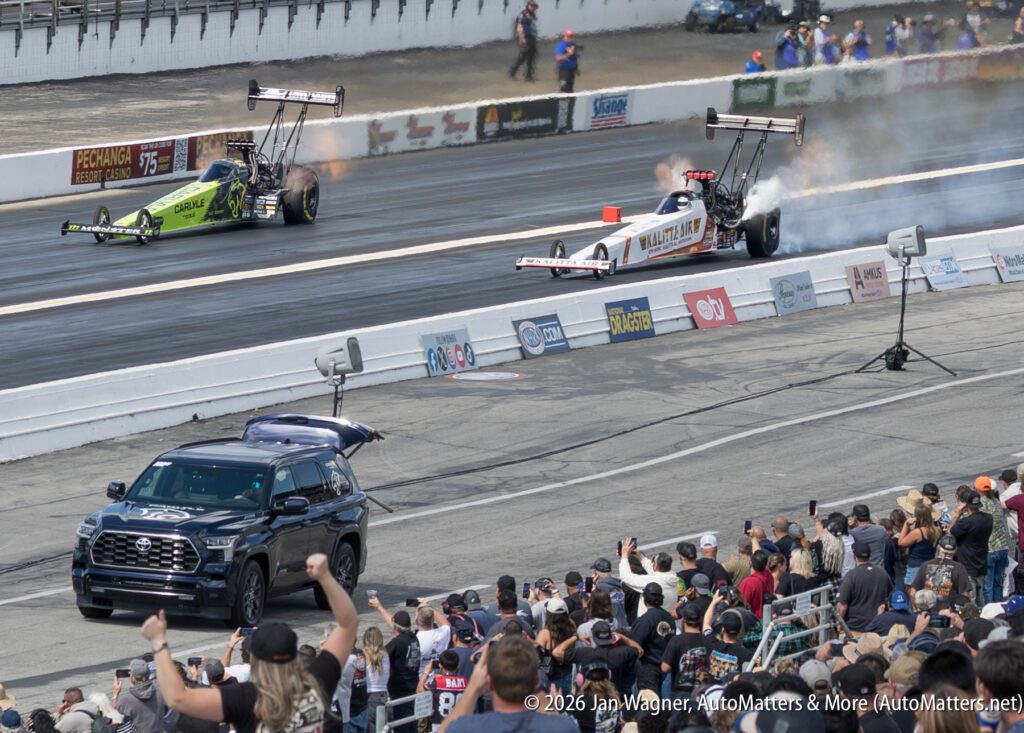
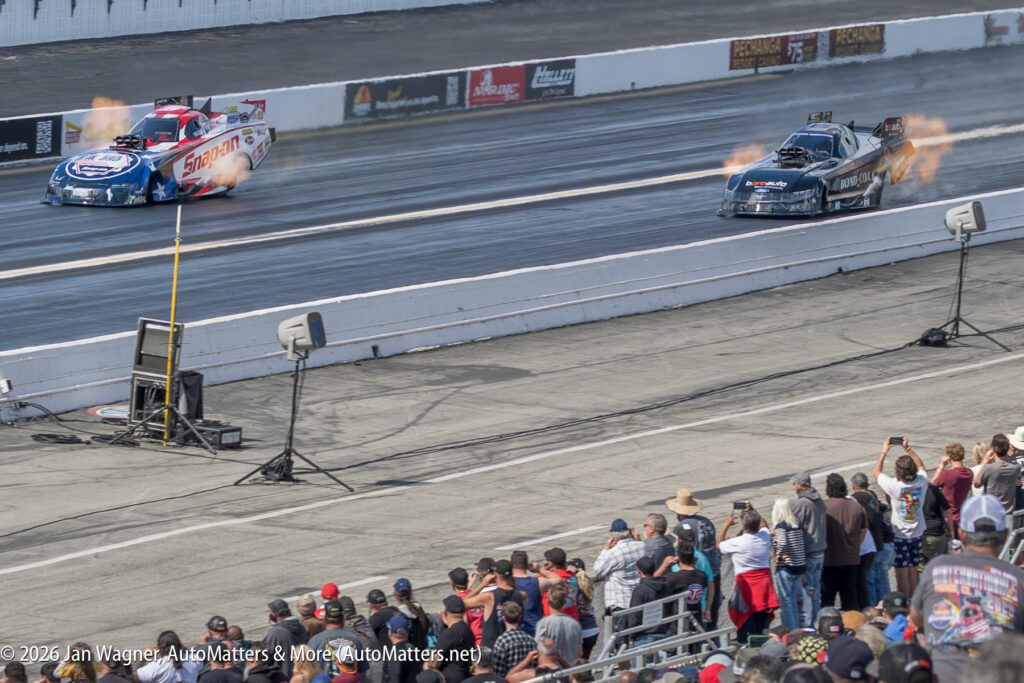
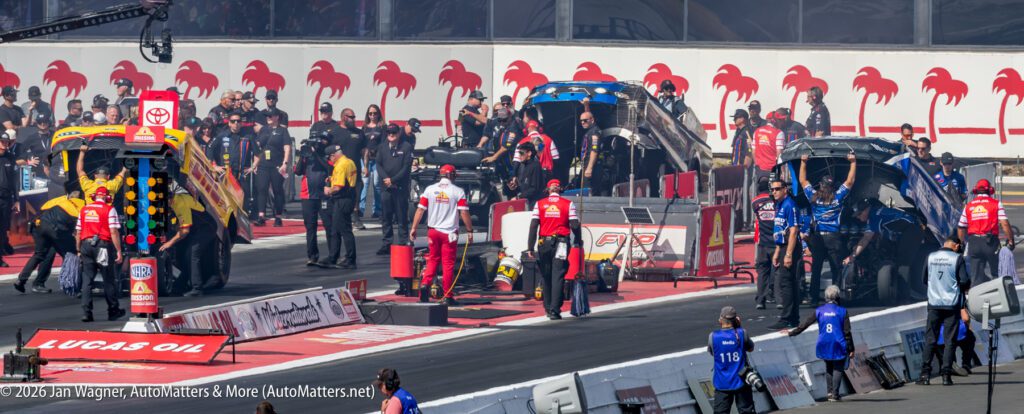
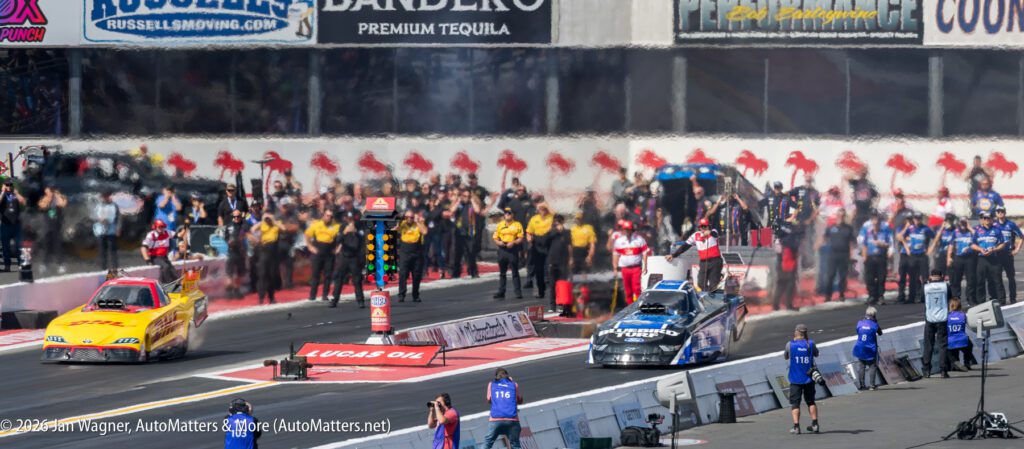
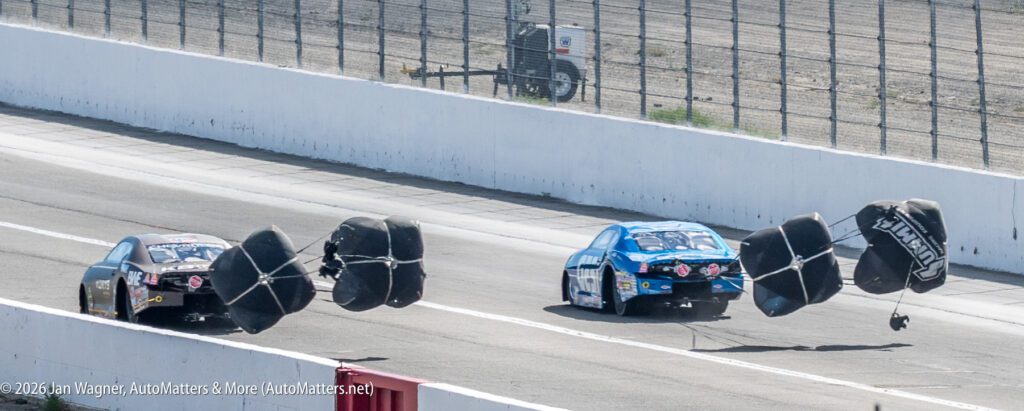
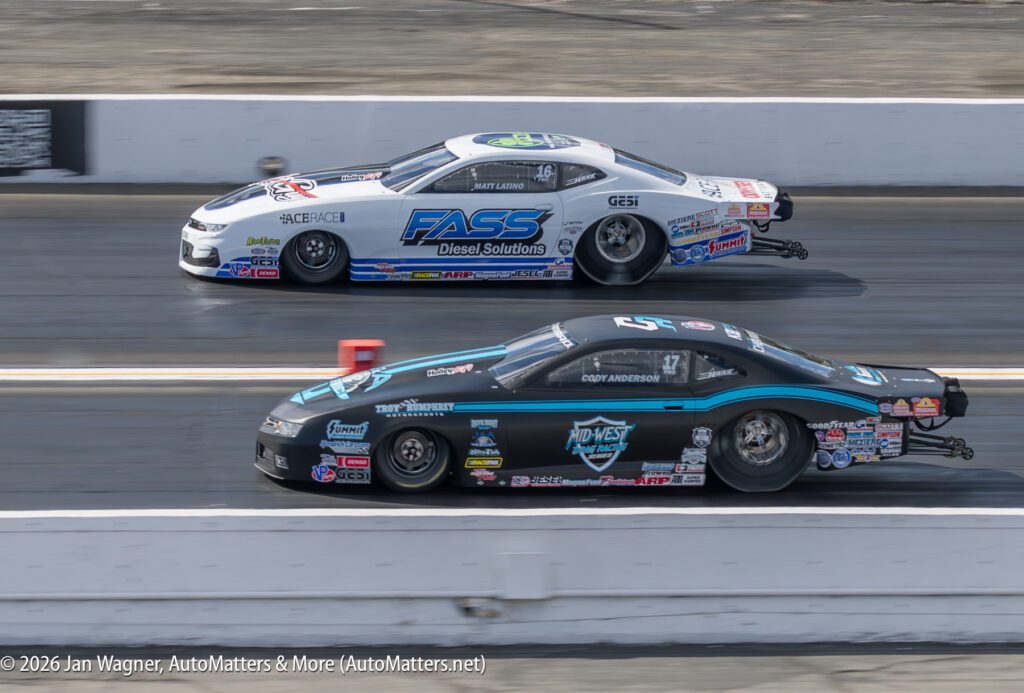
I was lightly dressed for the heat of the day, but after the sun set it got cold. The flags stood straight out in the stiff wind. It was not surprising, therefore, that many of the spectators had already left the exposed grandstands. Nevertheless, I stayed and kept shooting.
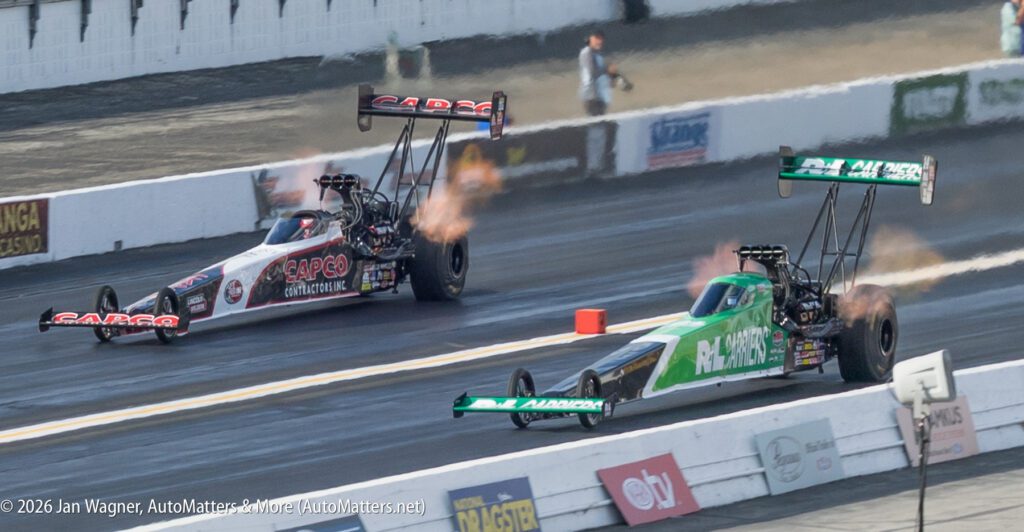
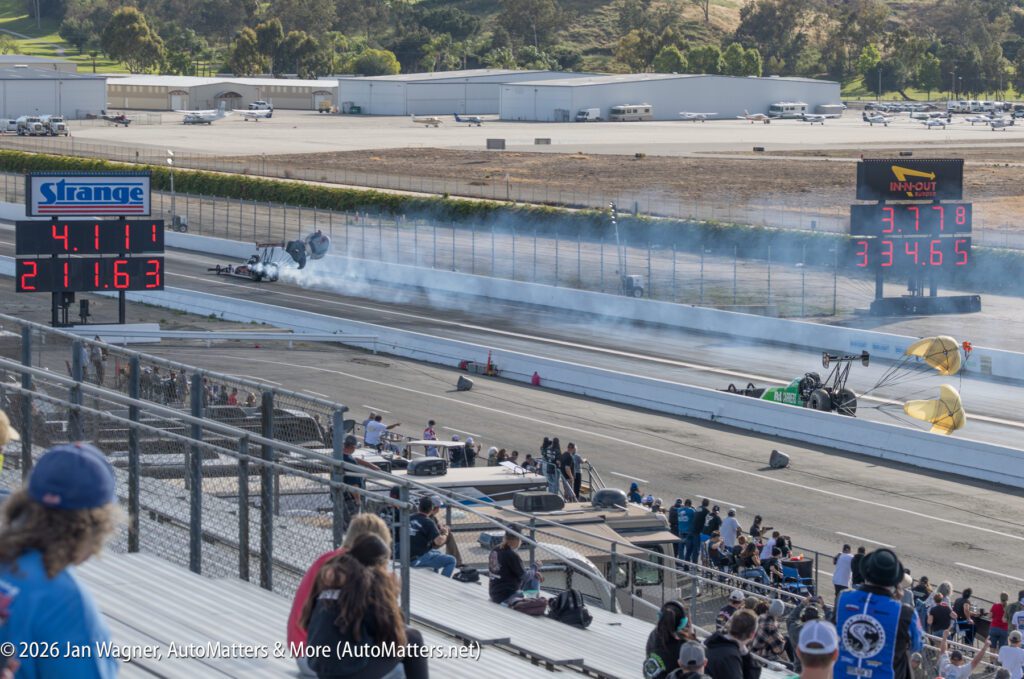
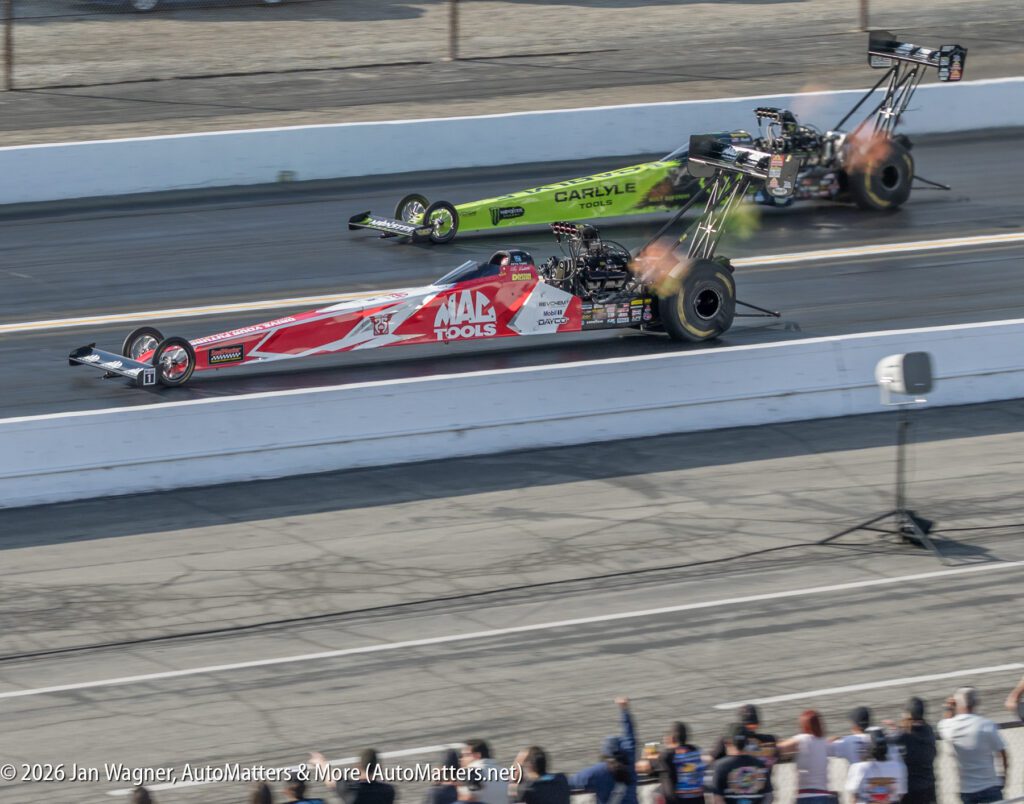
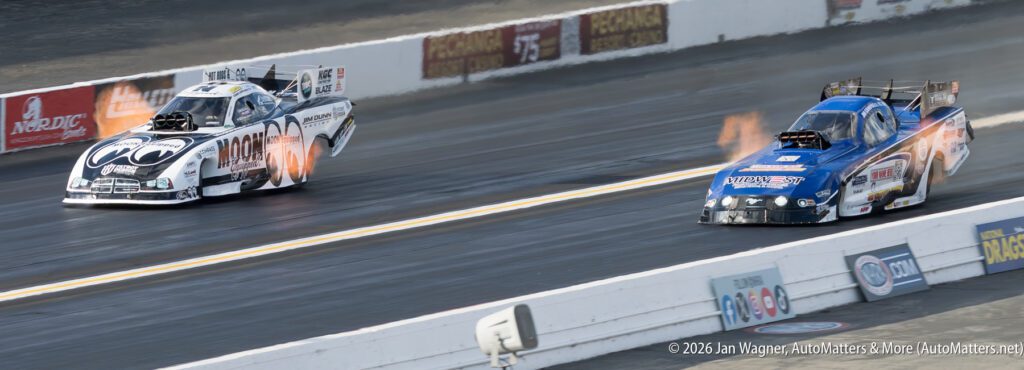
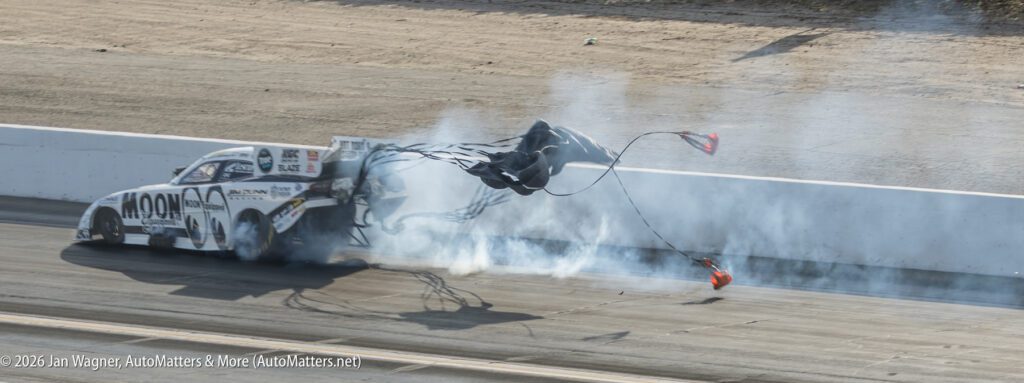
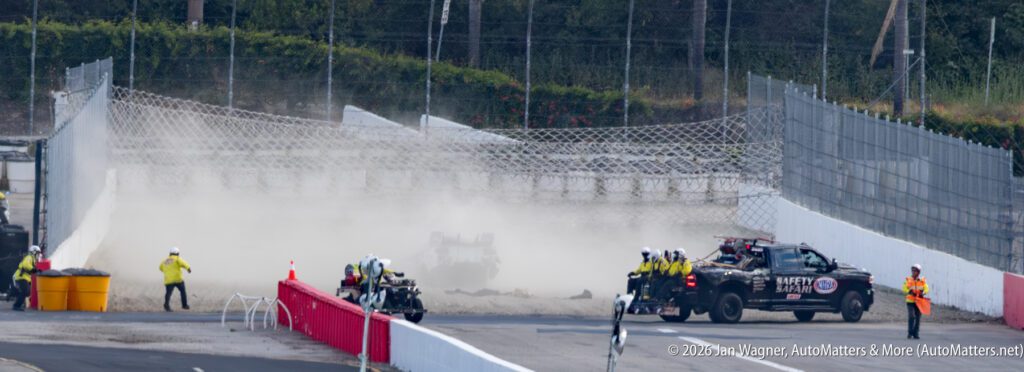
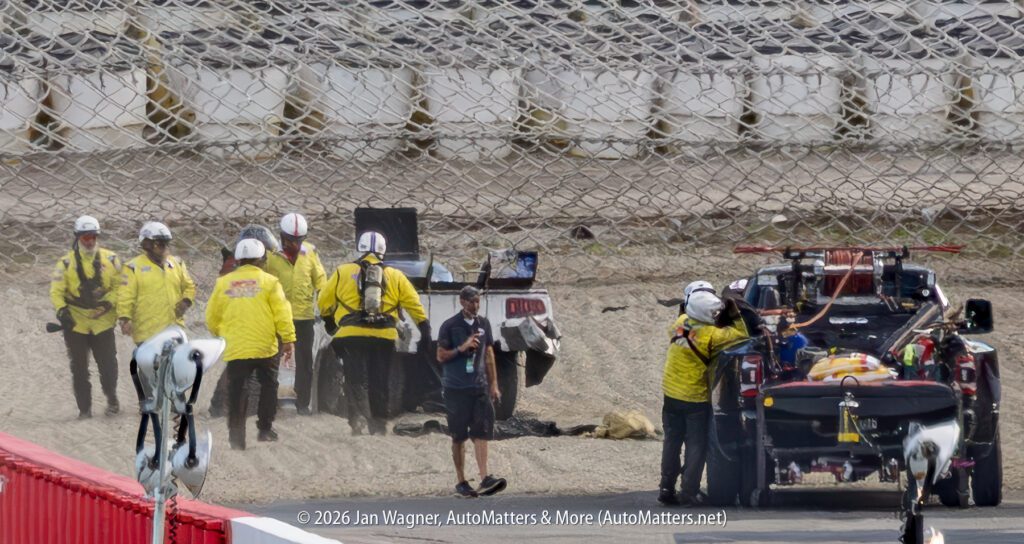
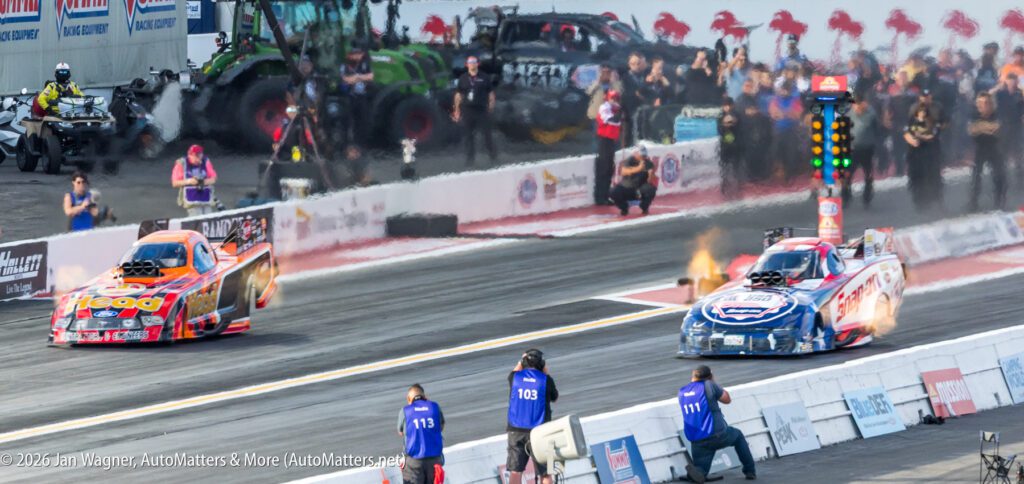
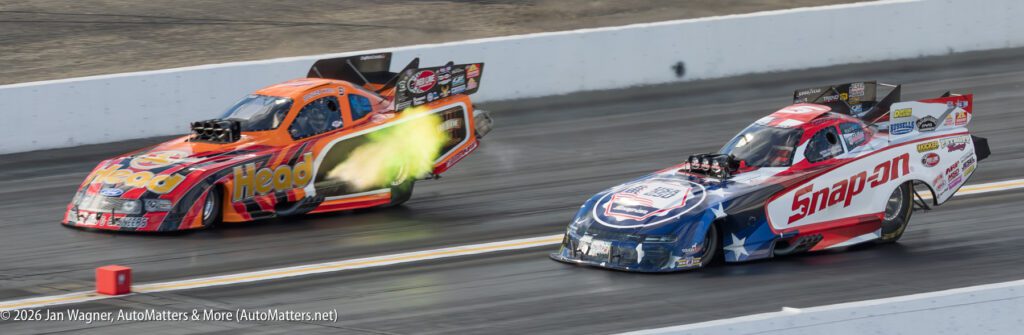
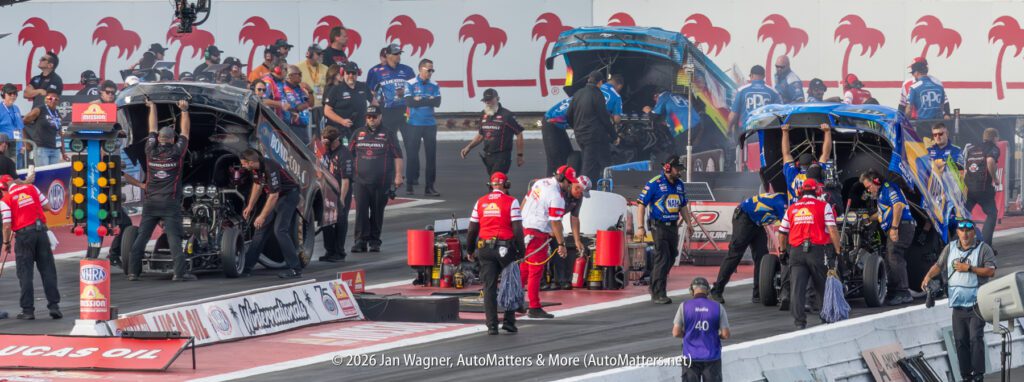
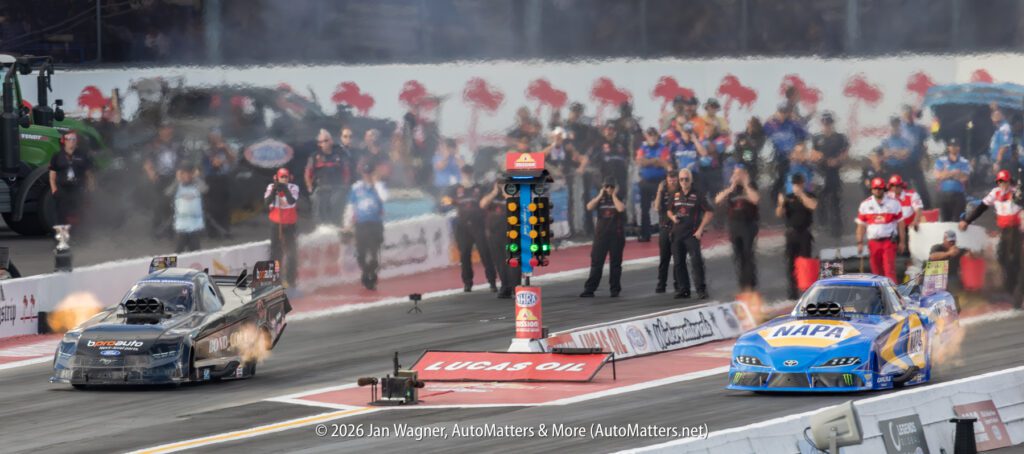
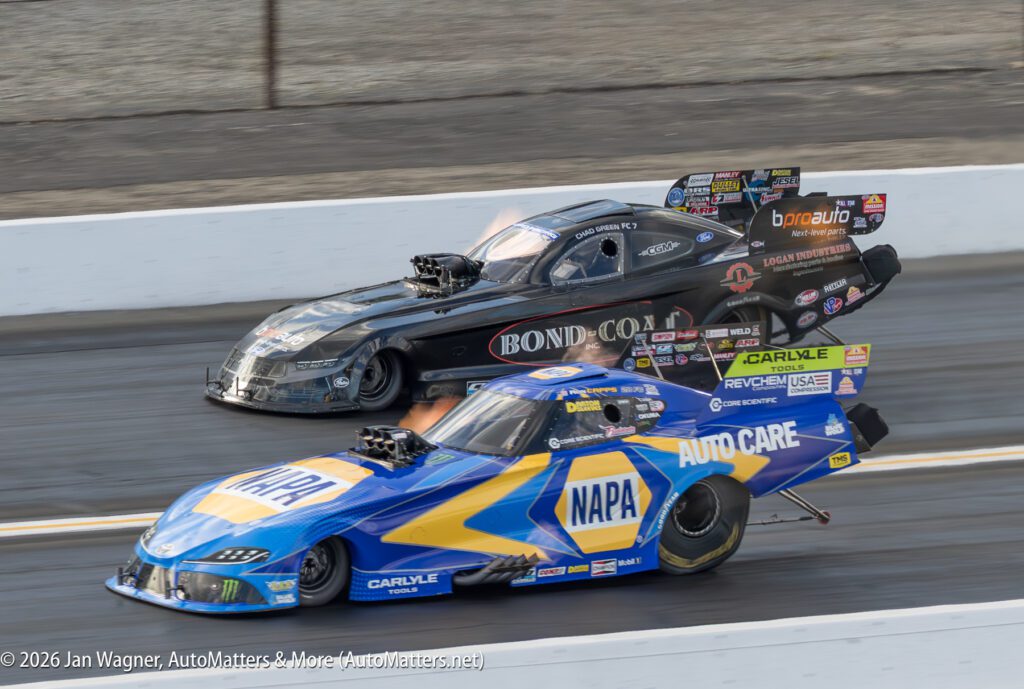
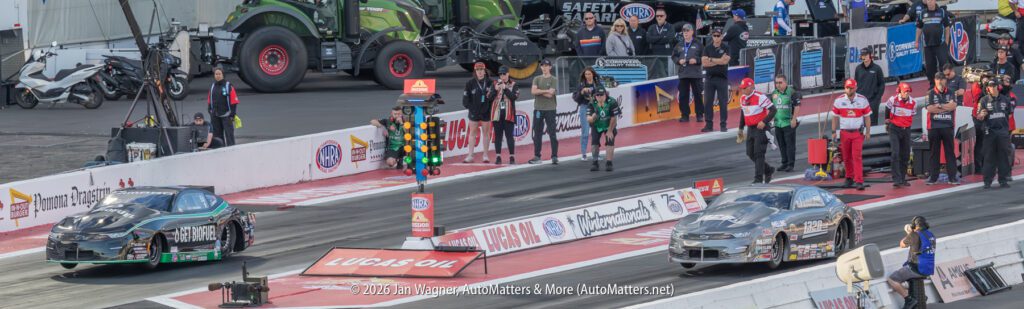
It was Round 1 of eliminations, and James Stevens, of Gothenburg, Nebraska, had staged his Performance Truck & Trailer Top Alcohol dragster behind the “Christmas Tree,” ready to race. He was in the right-hand lane, next to Garrett Bateman in the other lane. The lights turned green and the race was on.
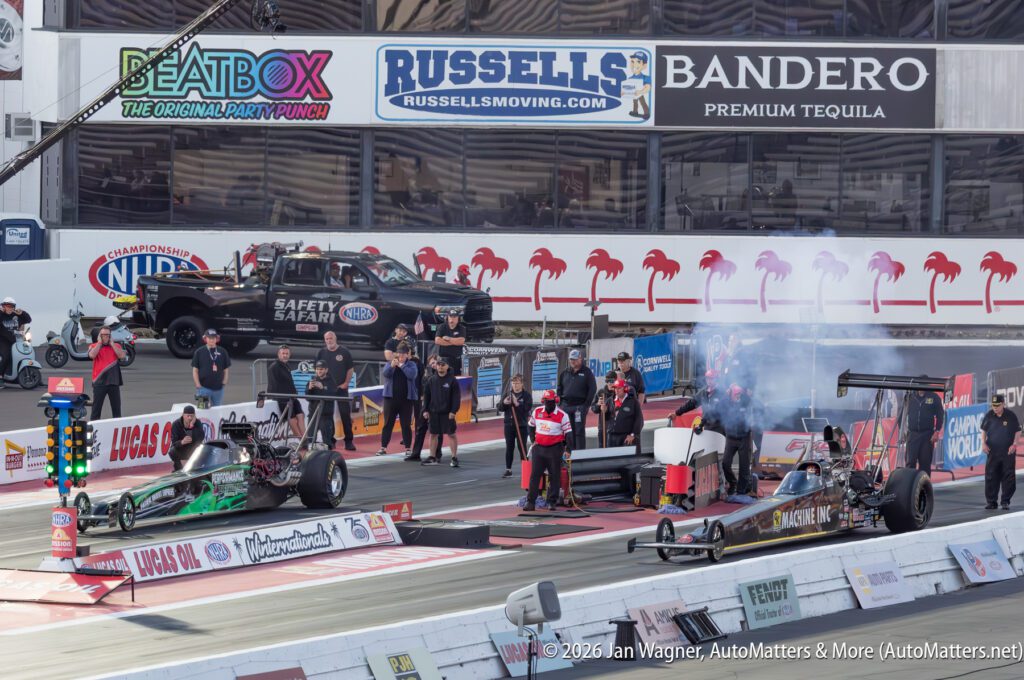
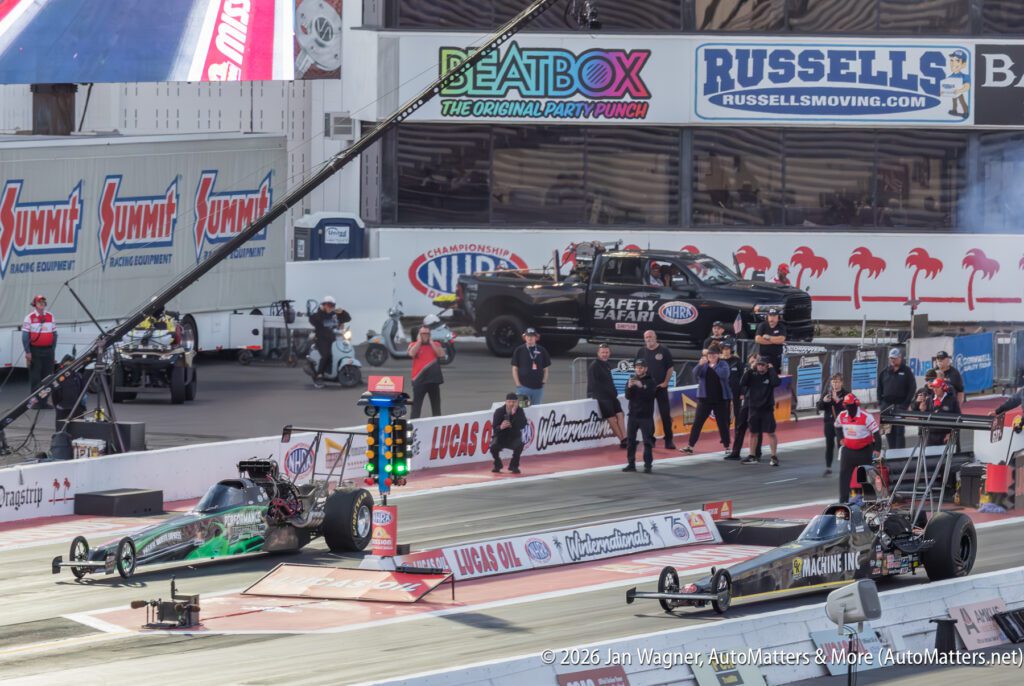
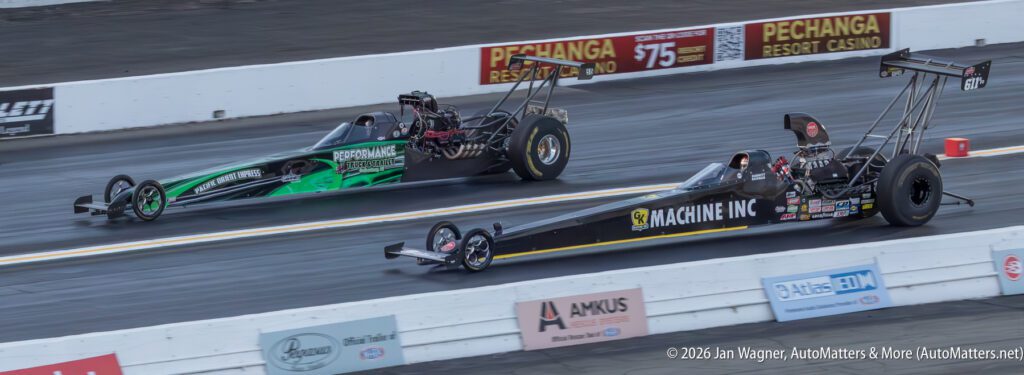
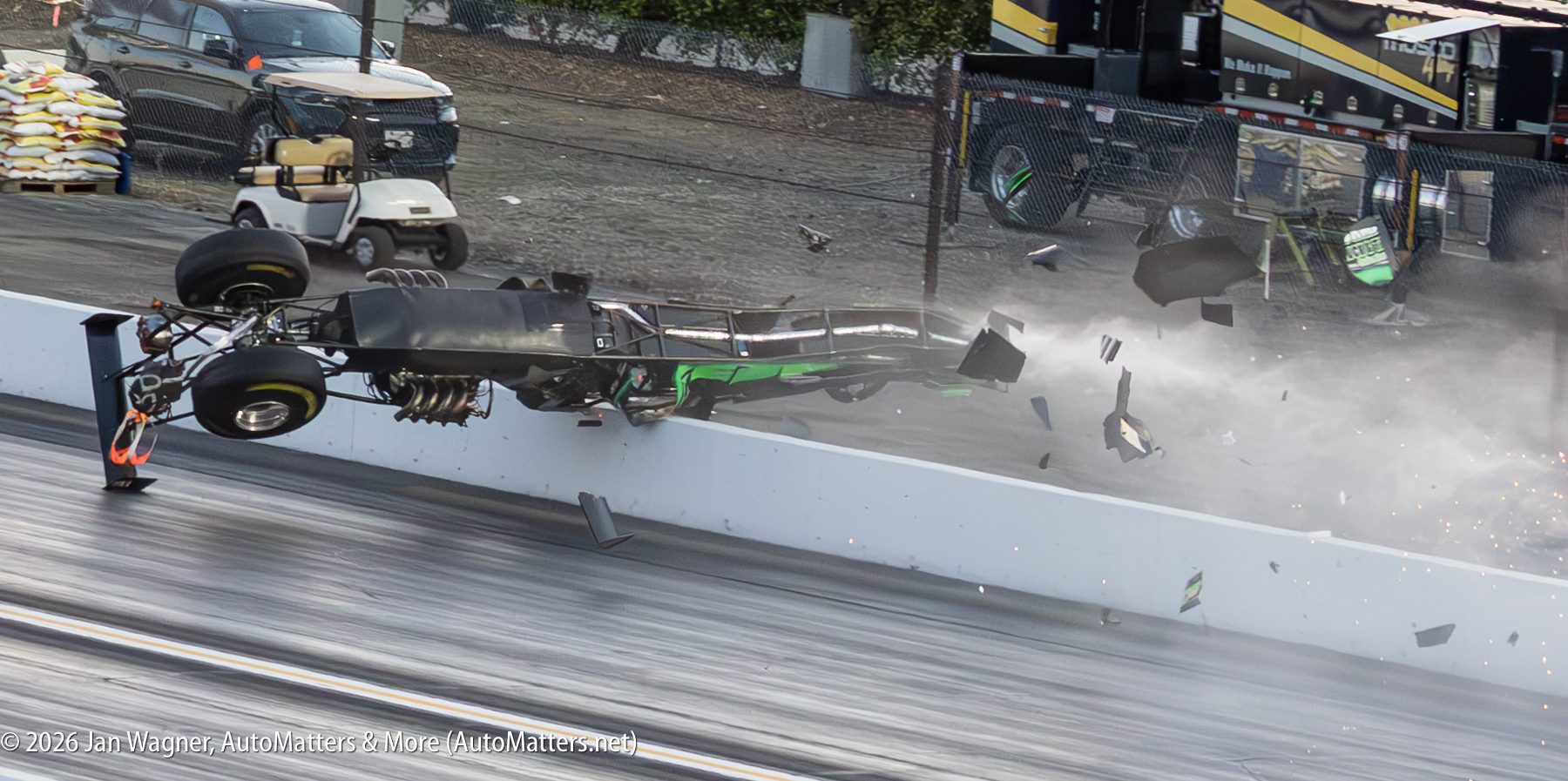
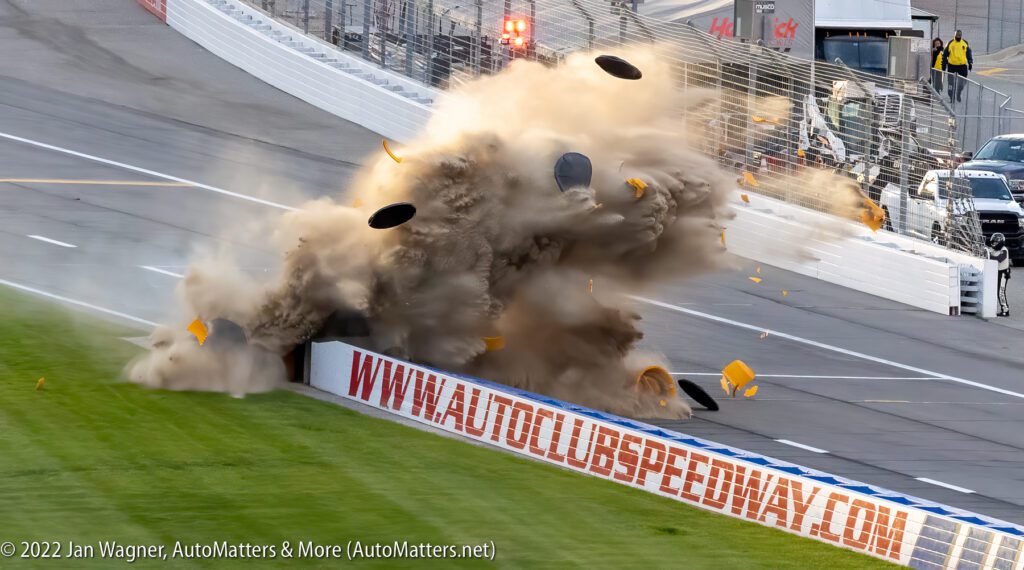
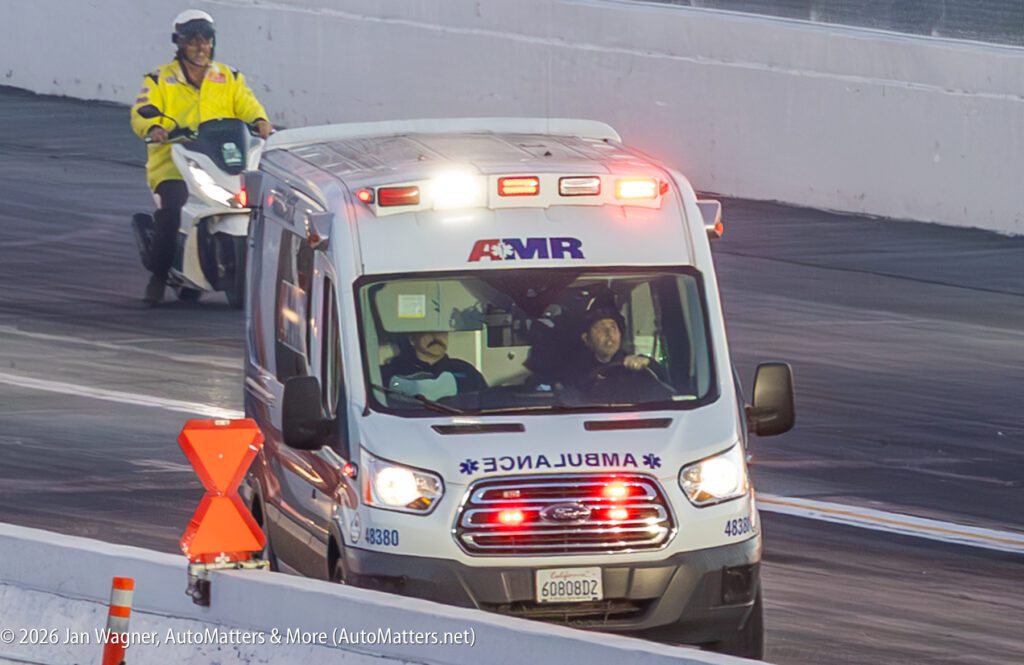
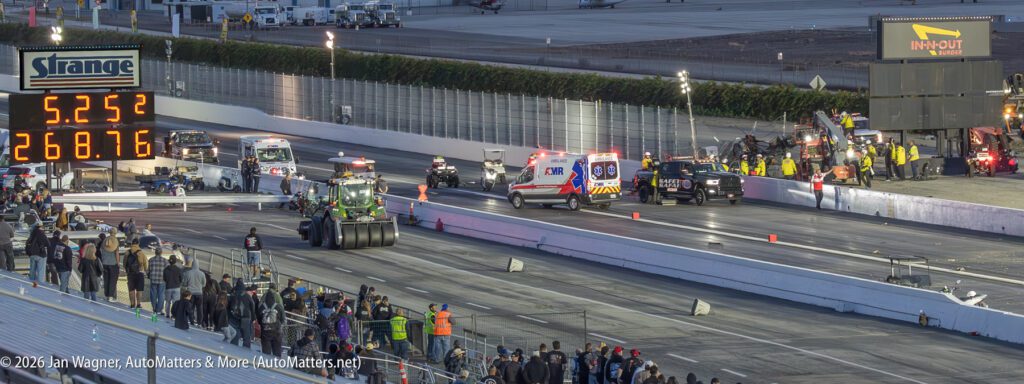
As my photos of his shocking, horrific accident show, in an instant Stevens’ dragster turned sideways, crossed the center line, veered back towards the protective wall along the right side of the track and crashed violently into it. That impact and his trajectory launched his dragster up into the air, erupting in a fireball, breaking into pieces and getting badly tangled in the catch fencing. Emergency vehicles — including an ambulance, and members of the NHRA Safety Safari rushed to his rescue.
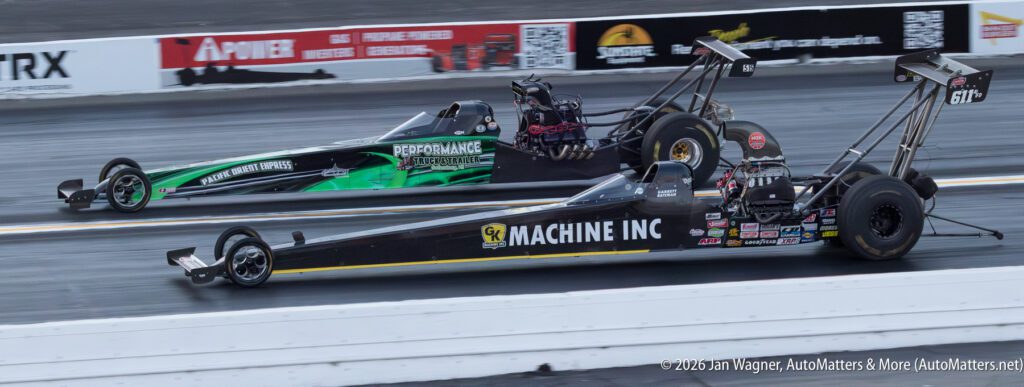
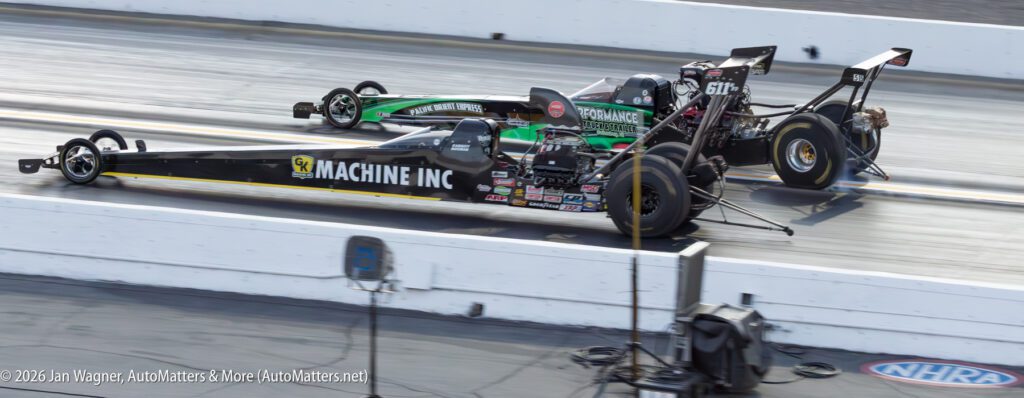
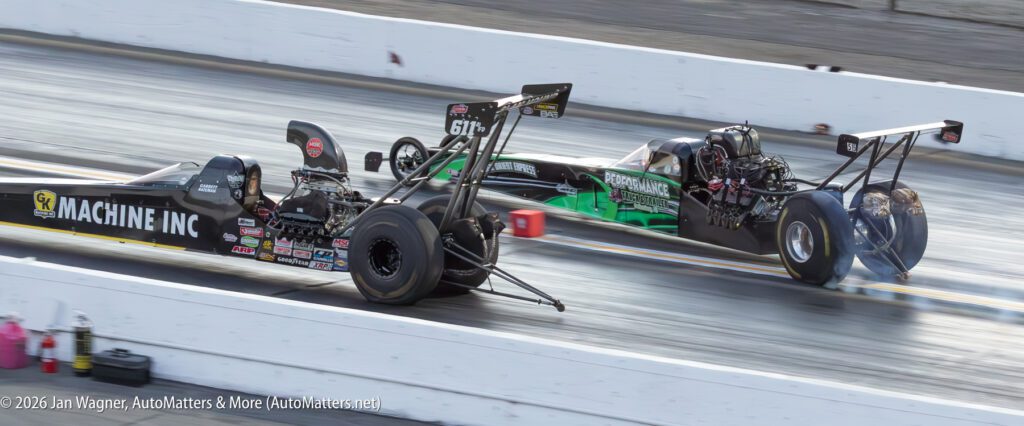
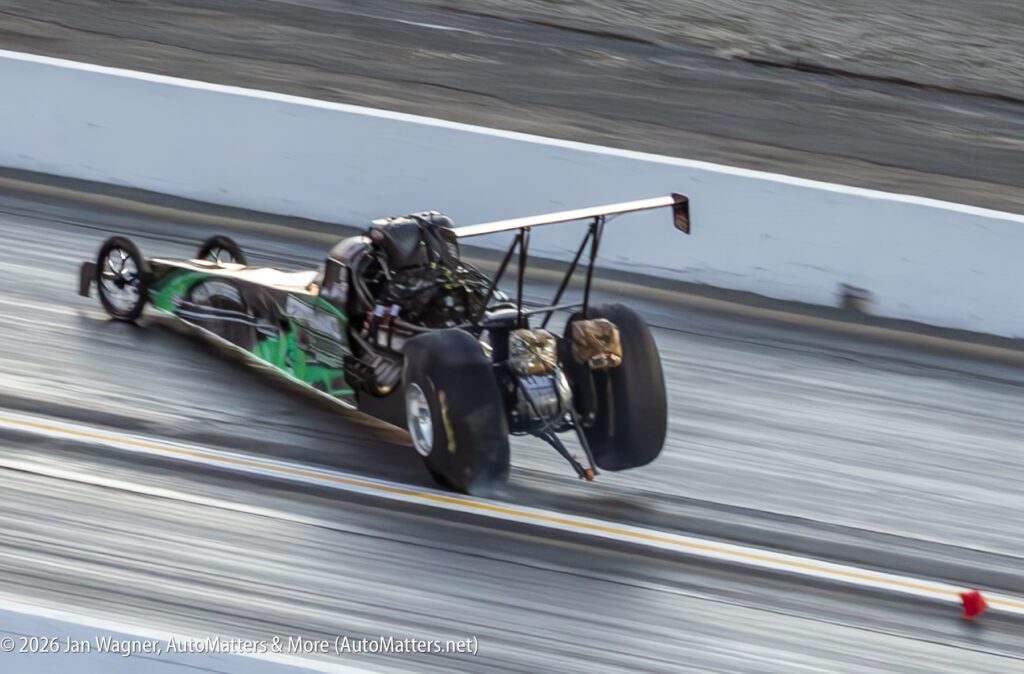
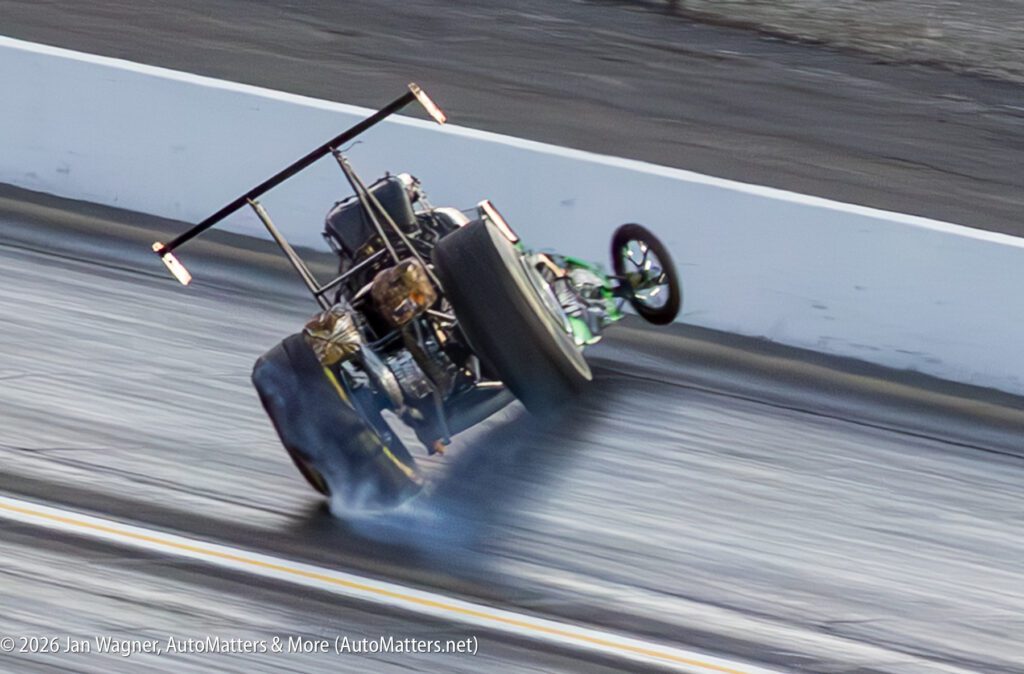
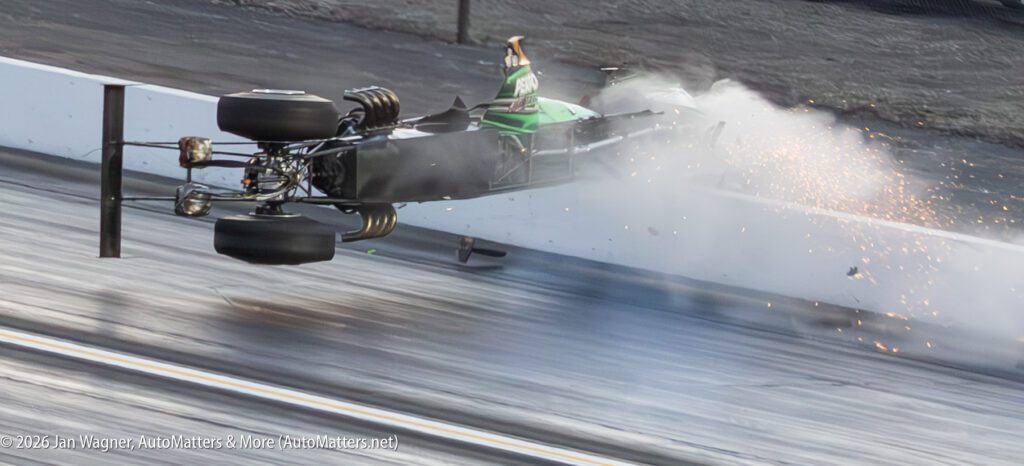
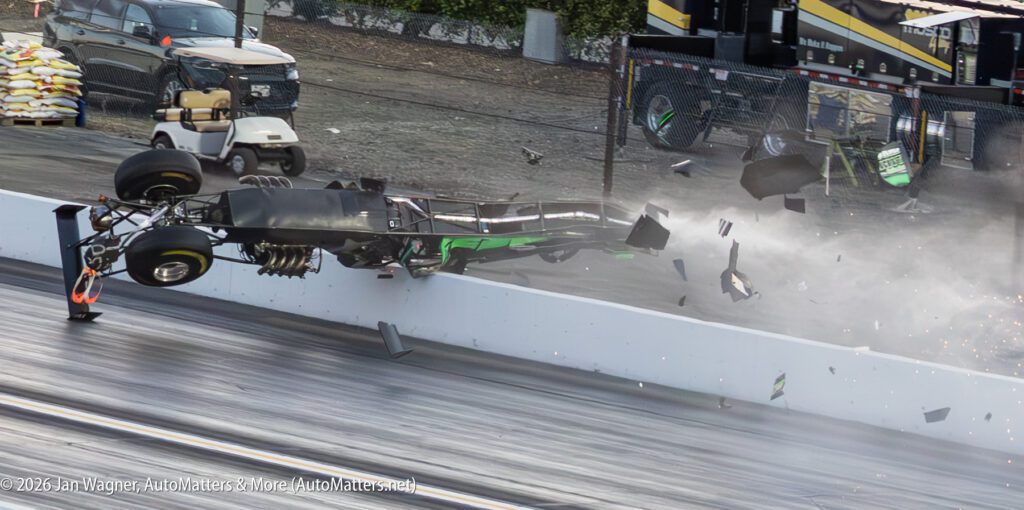
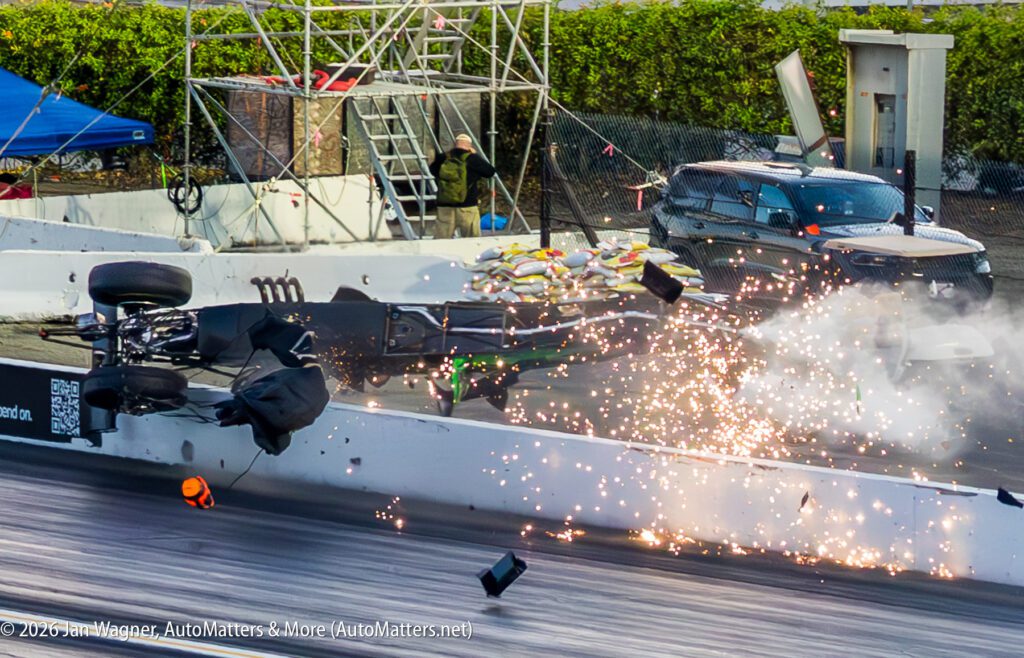
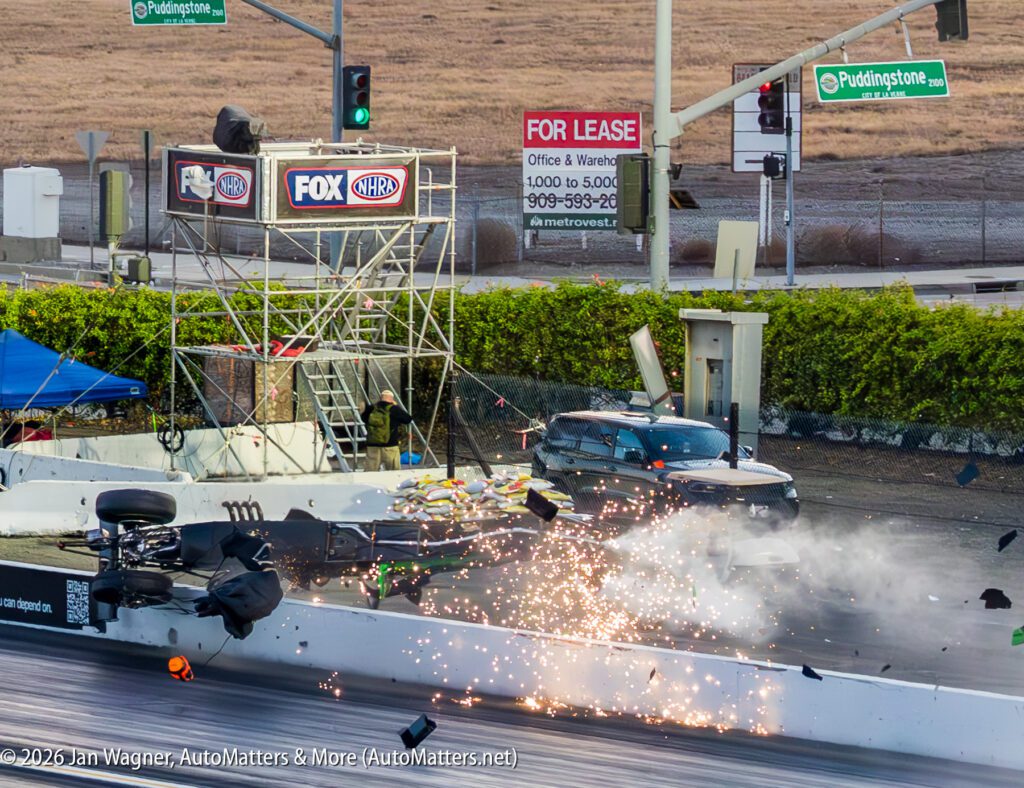
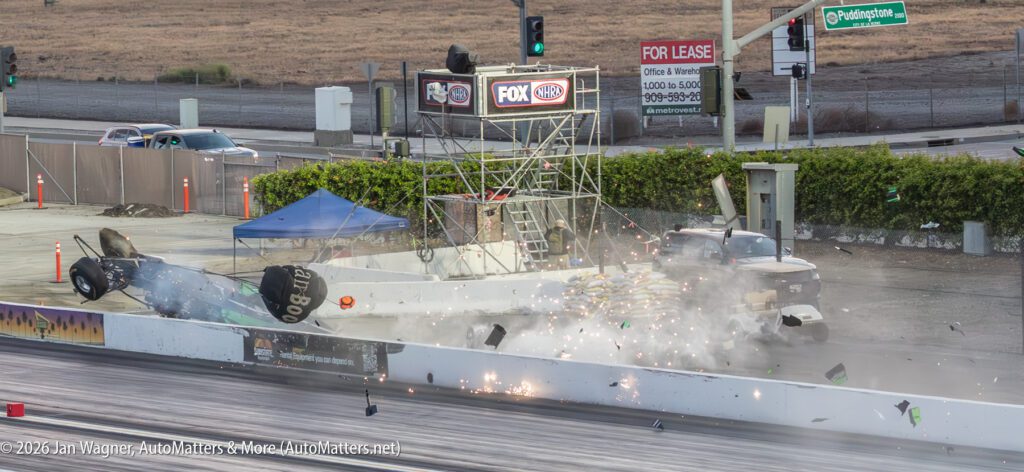
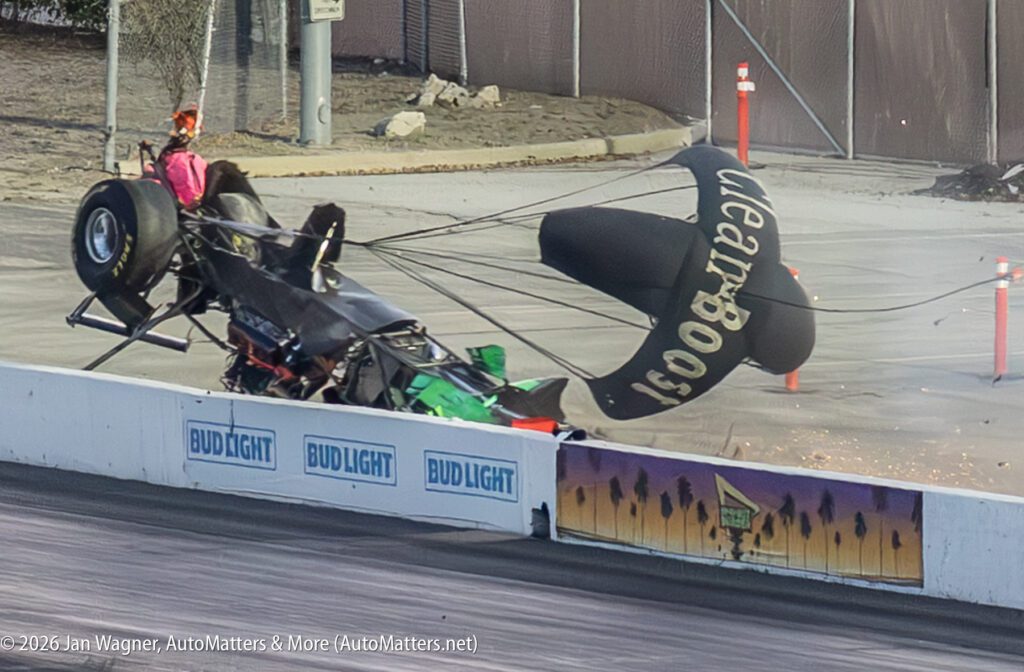
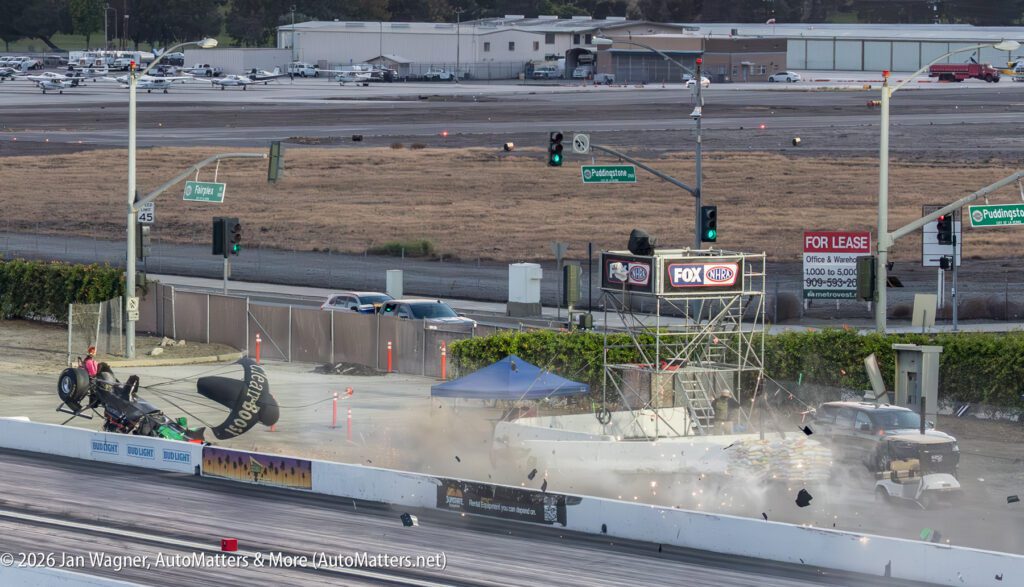
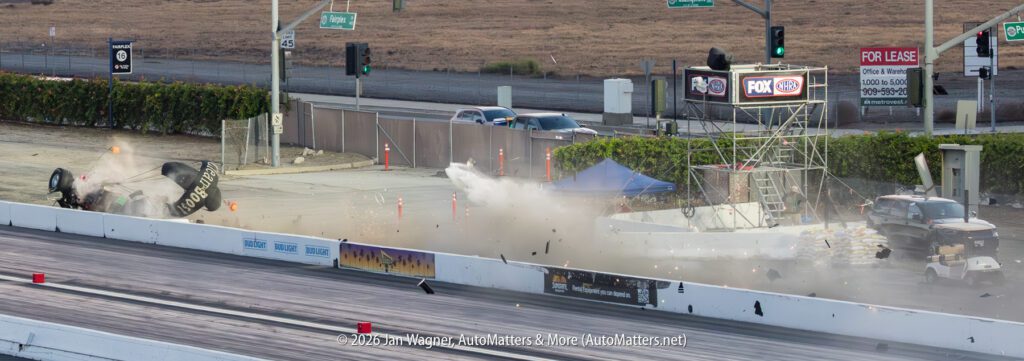
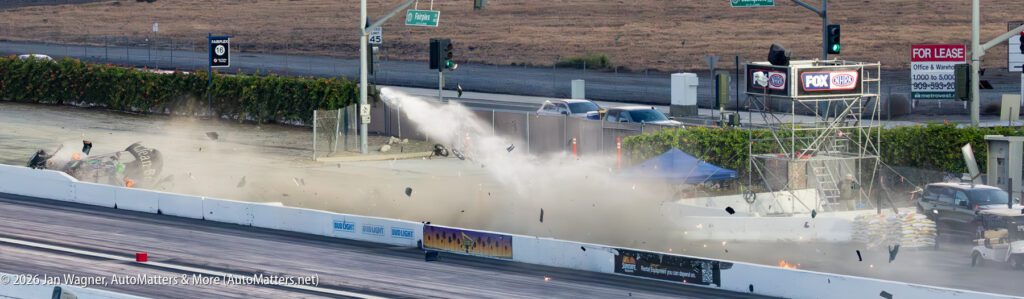
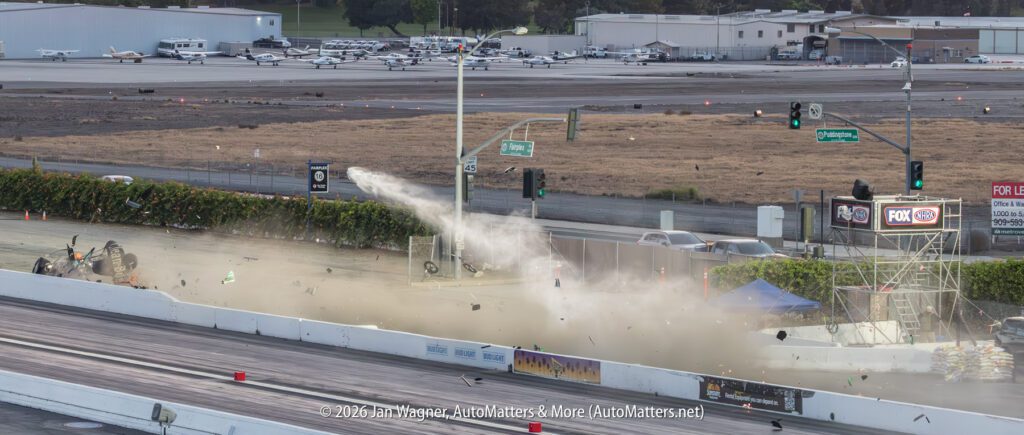
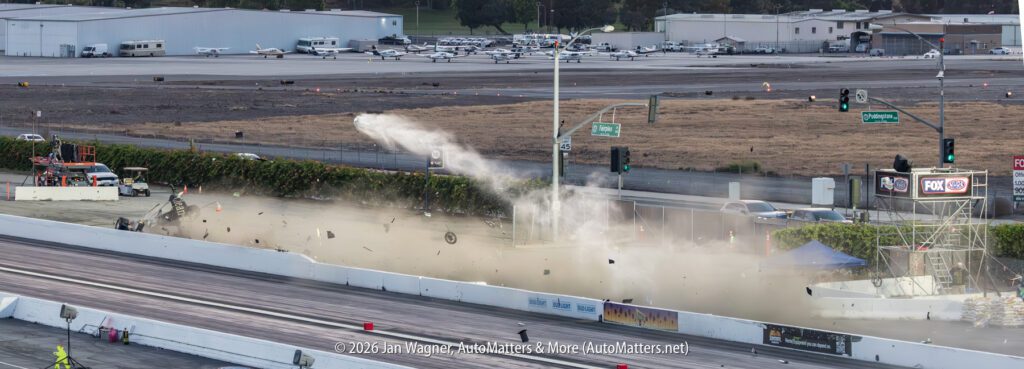
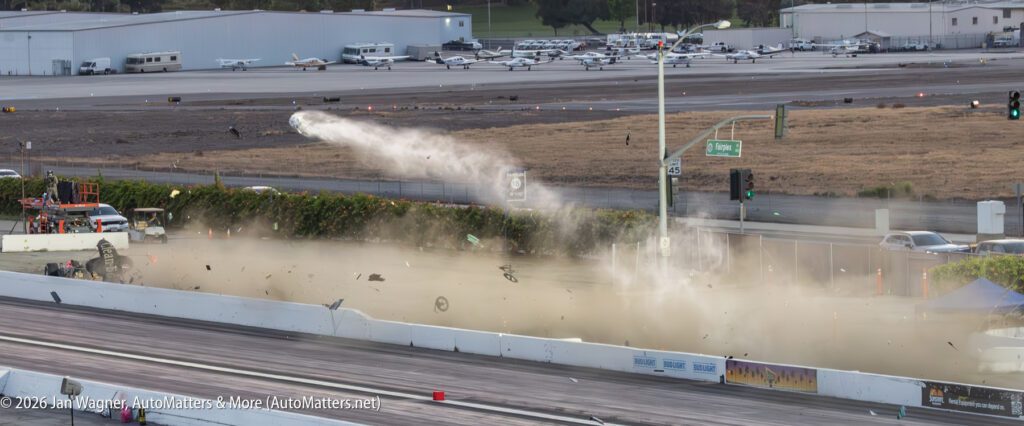
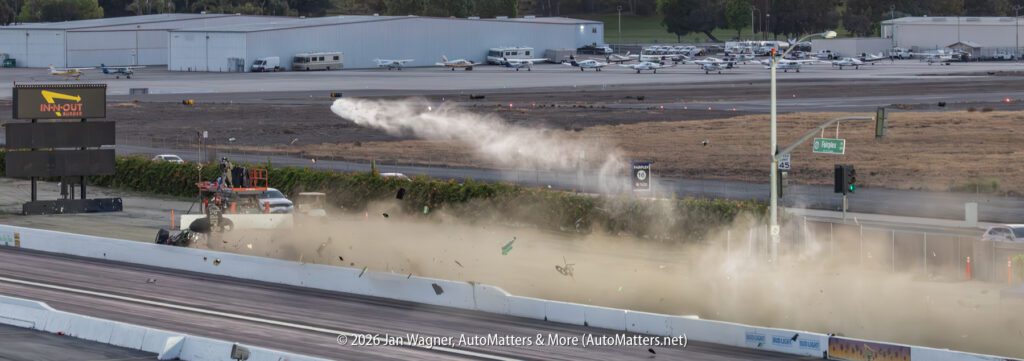
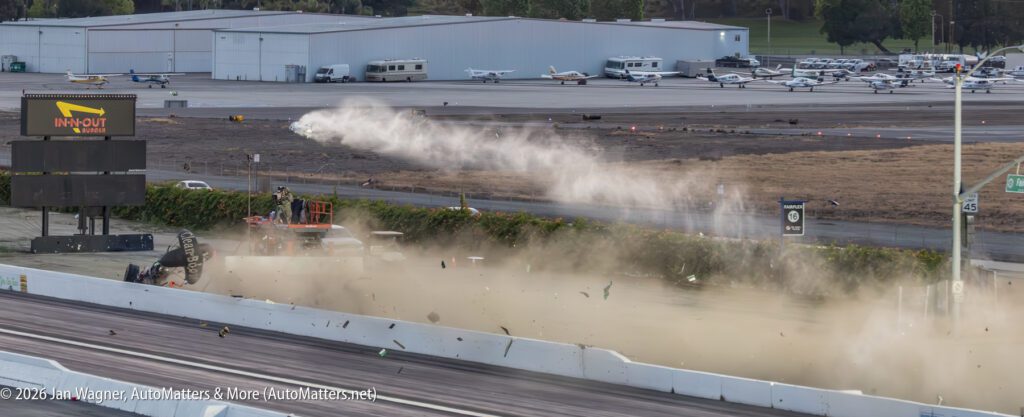
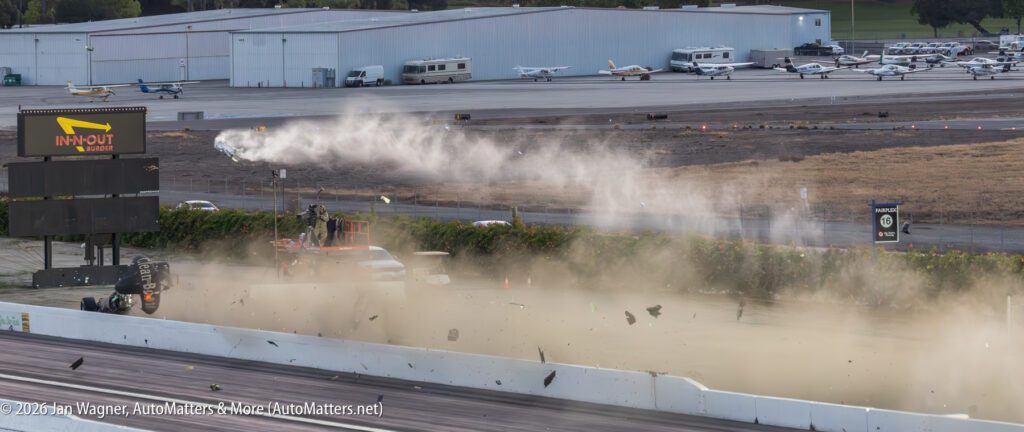
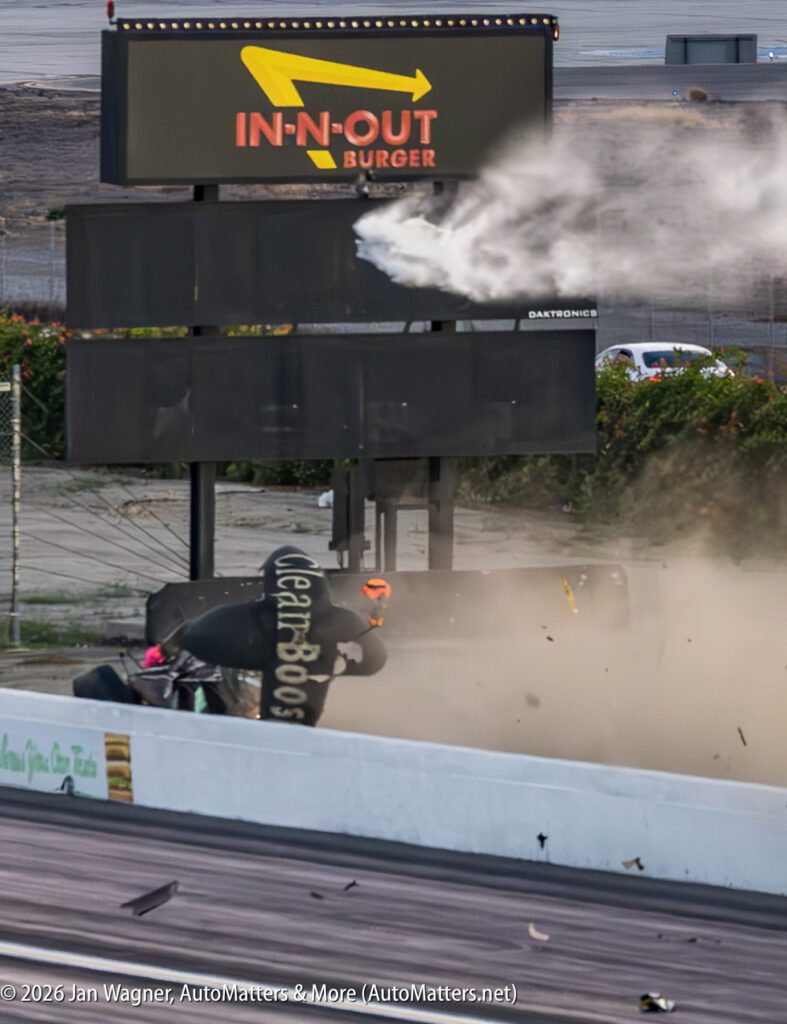
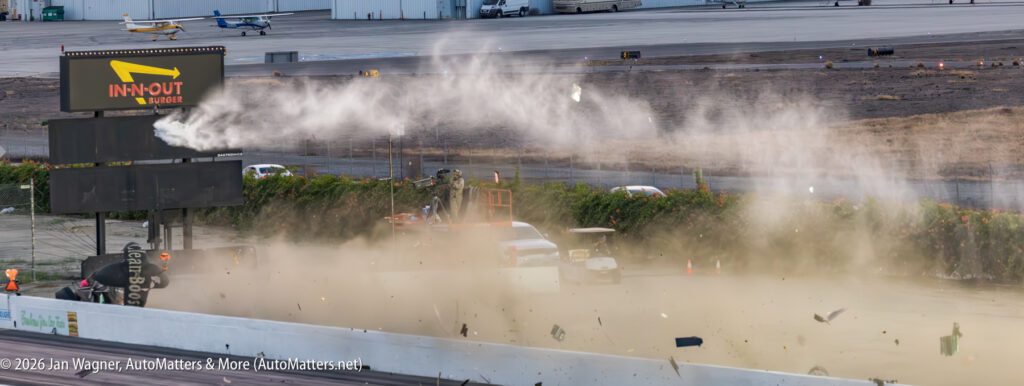
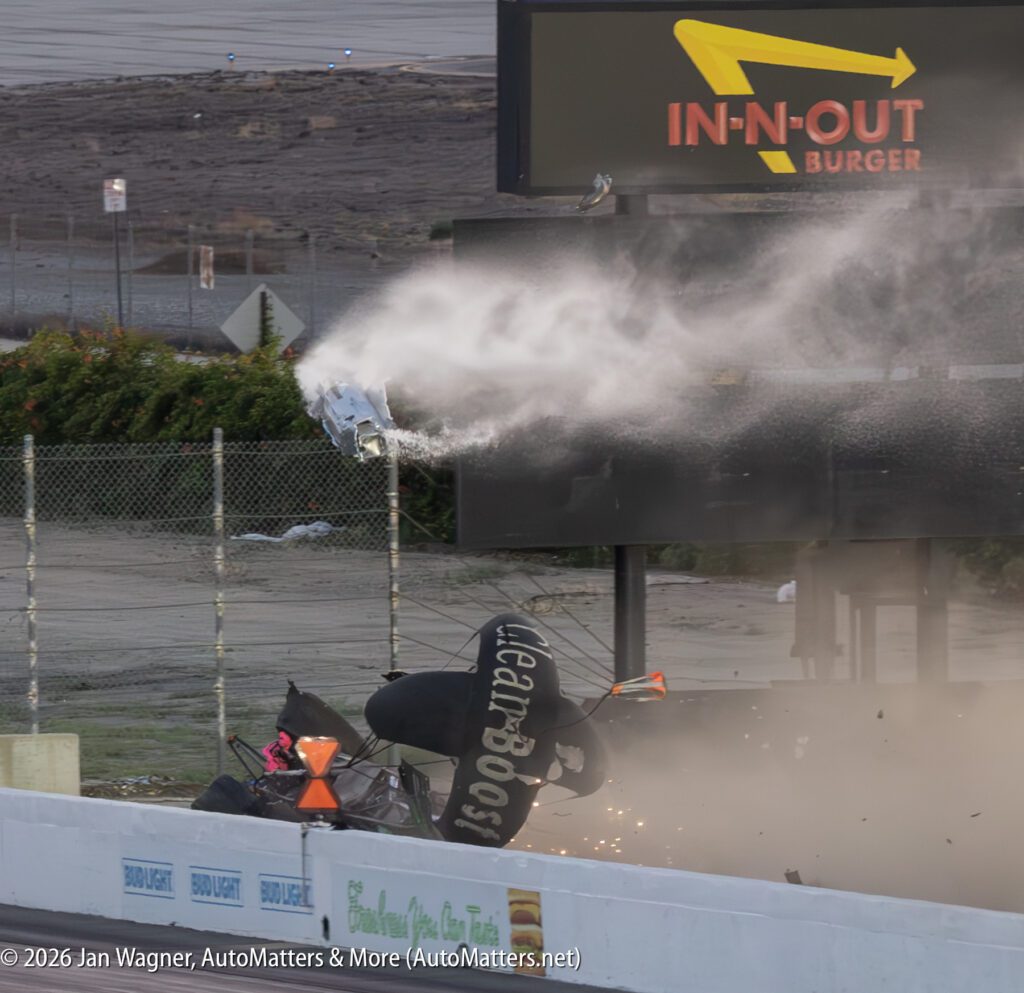
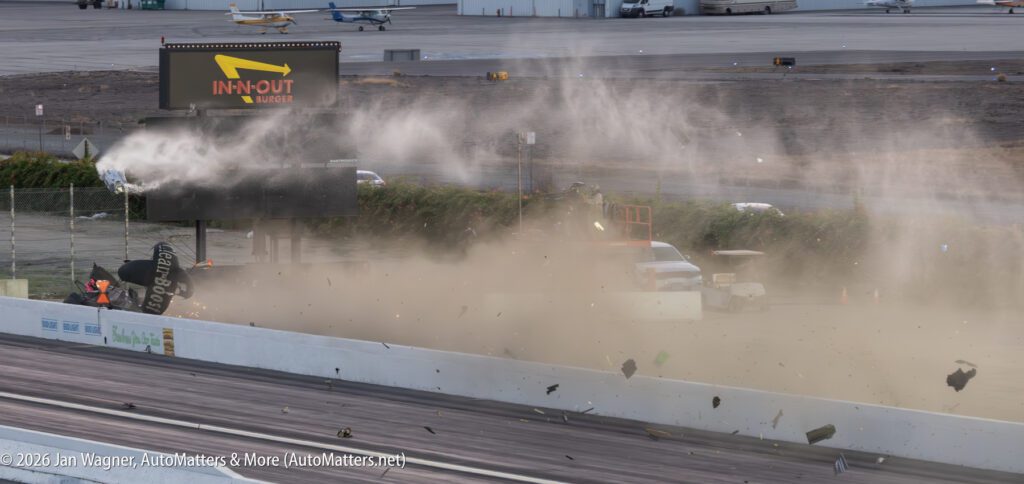
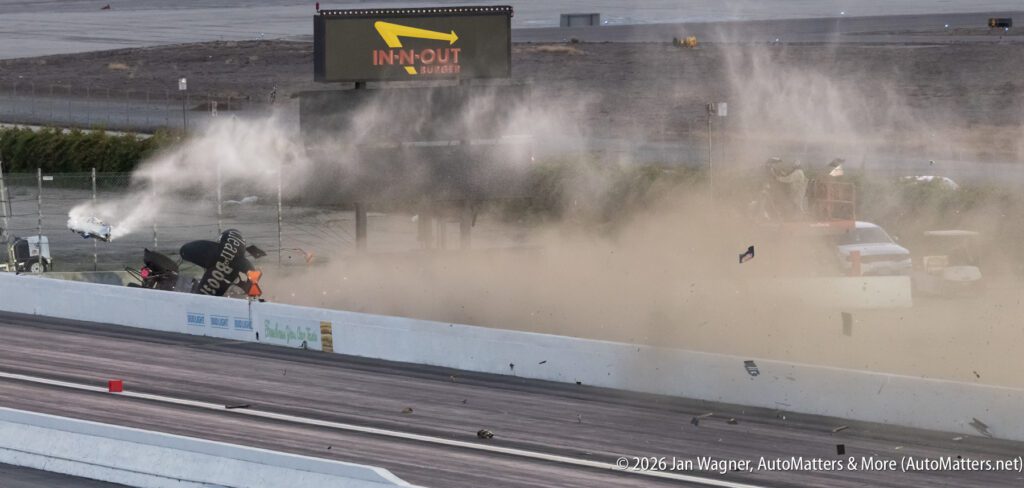
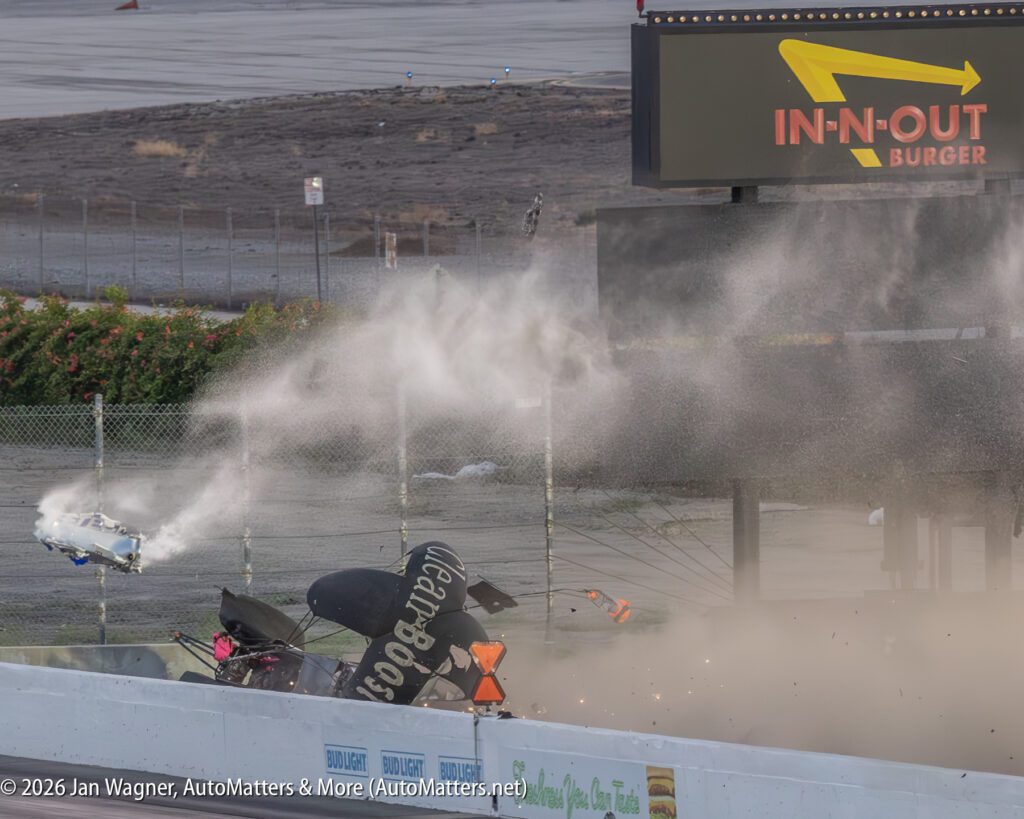
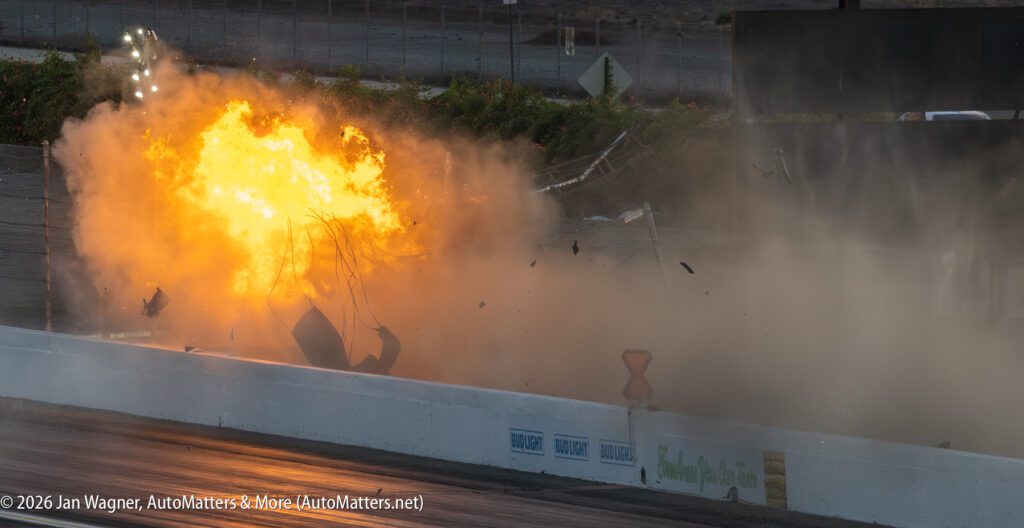
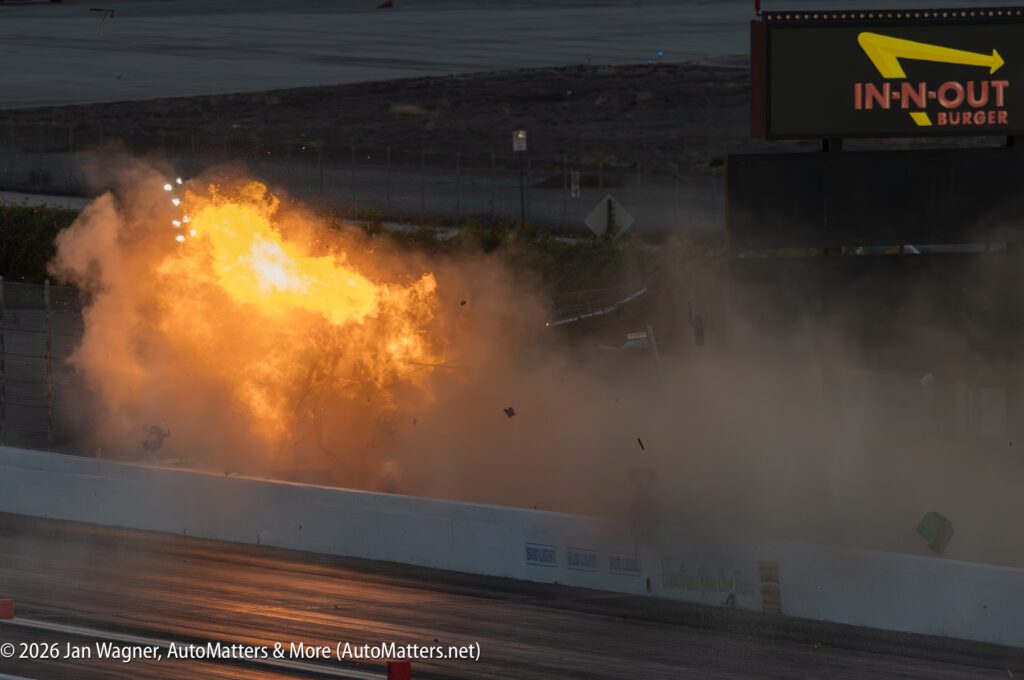
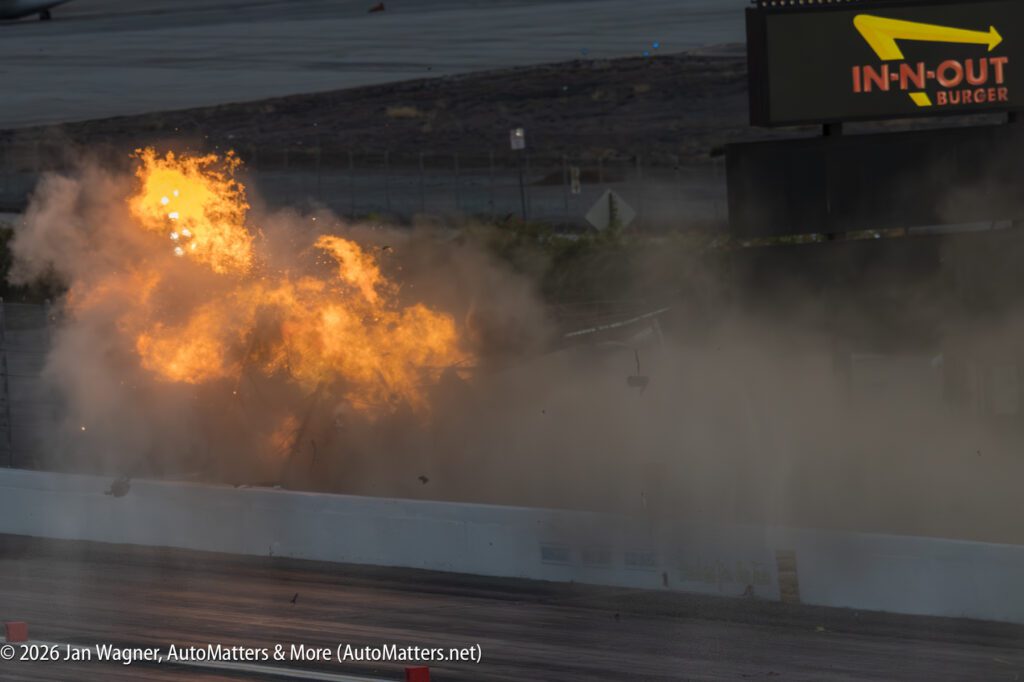
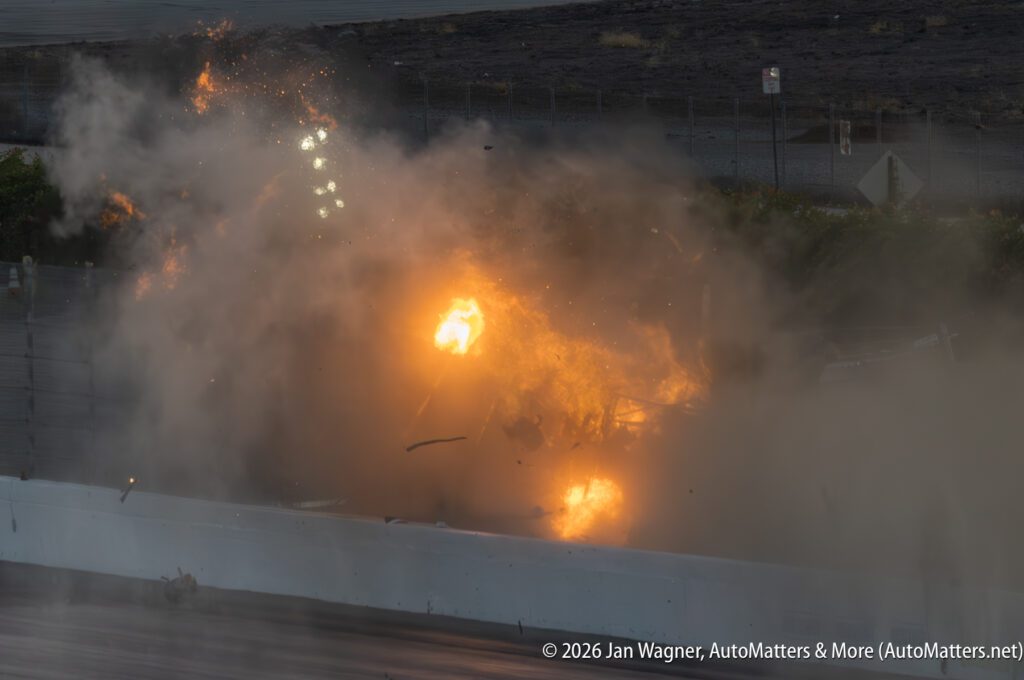
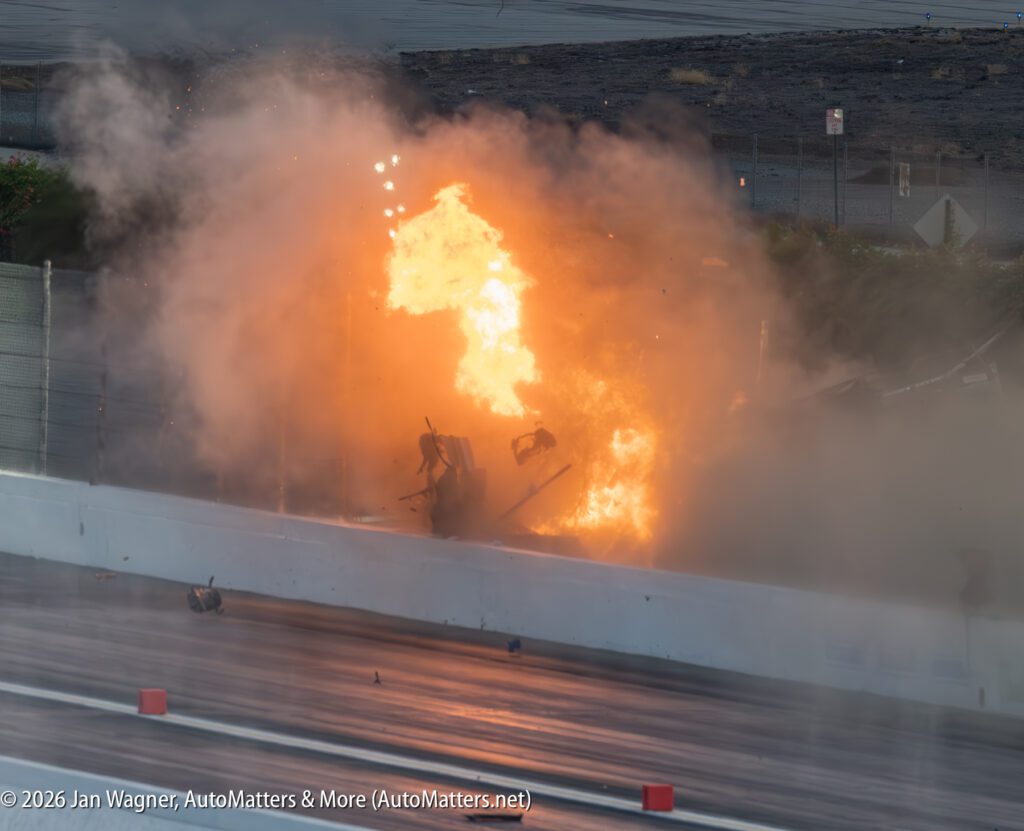
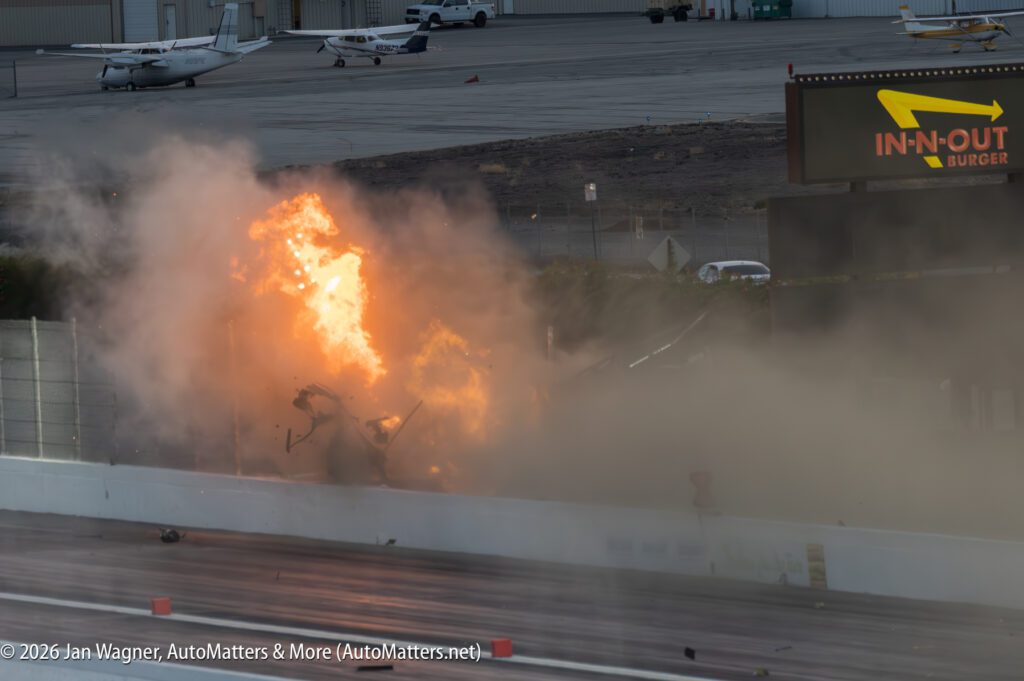
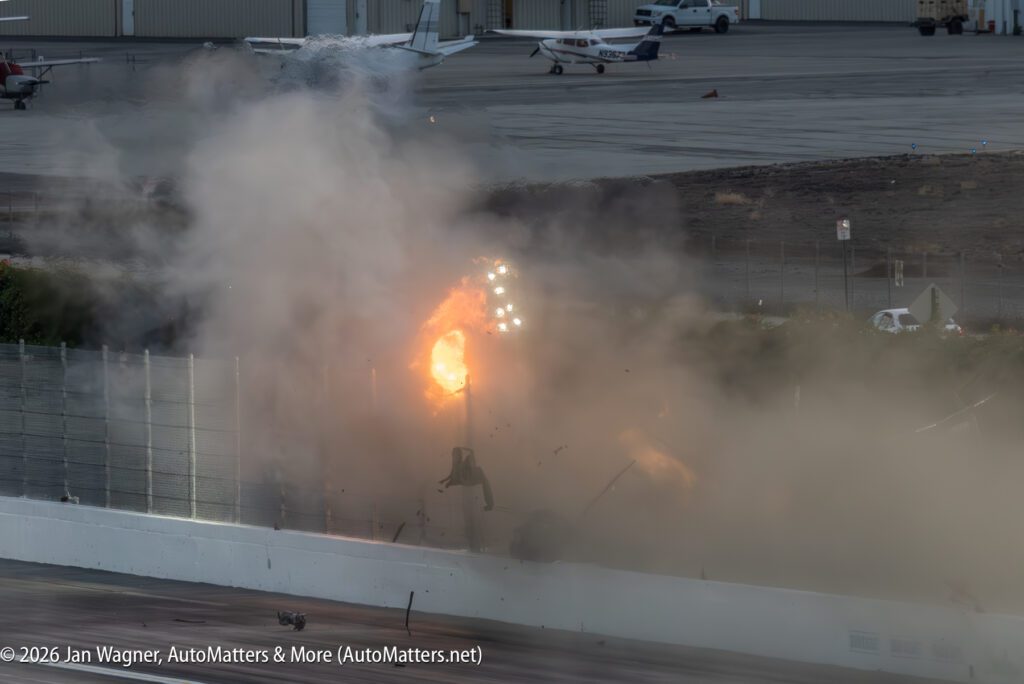
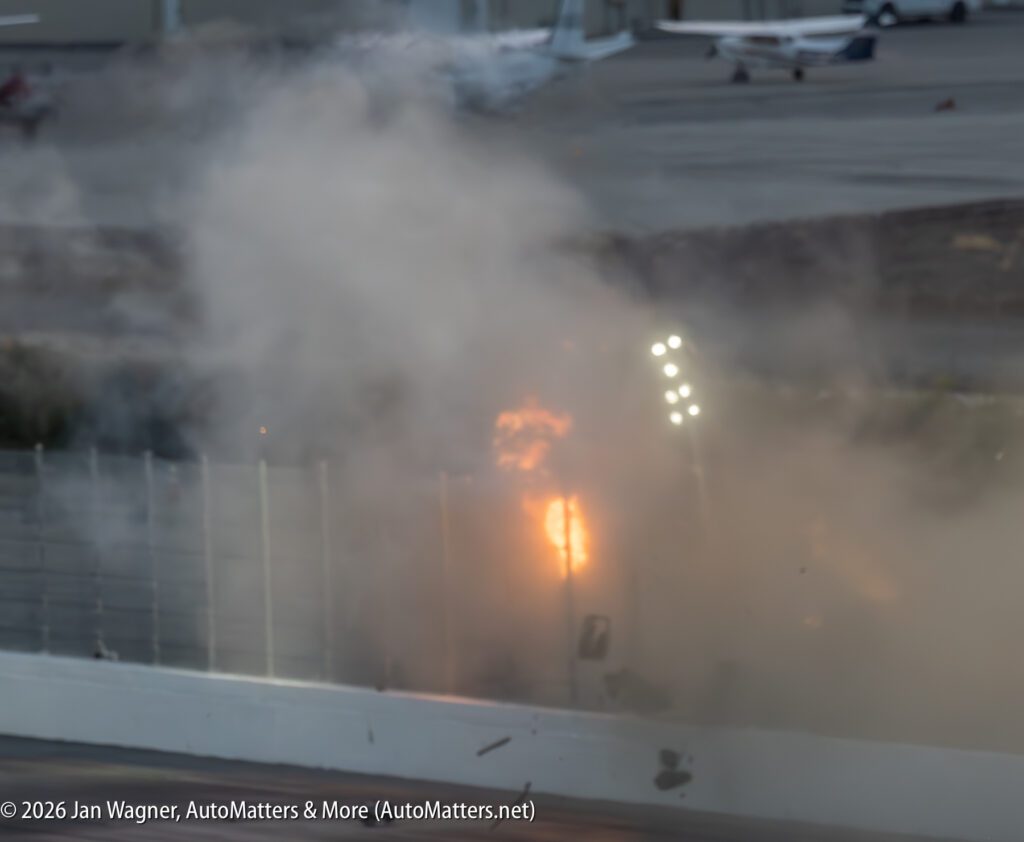
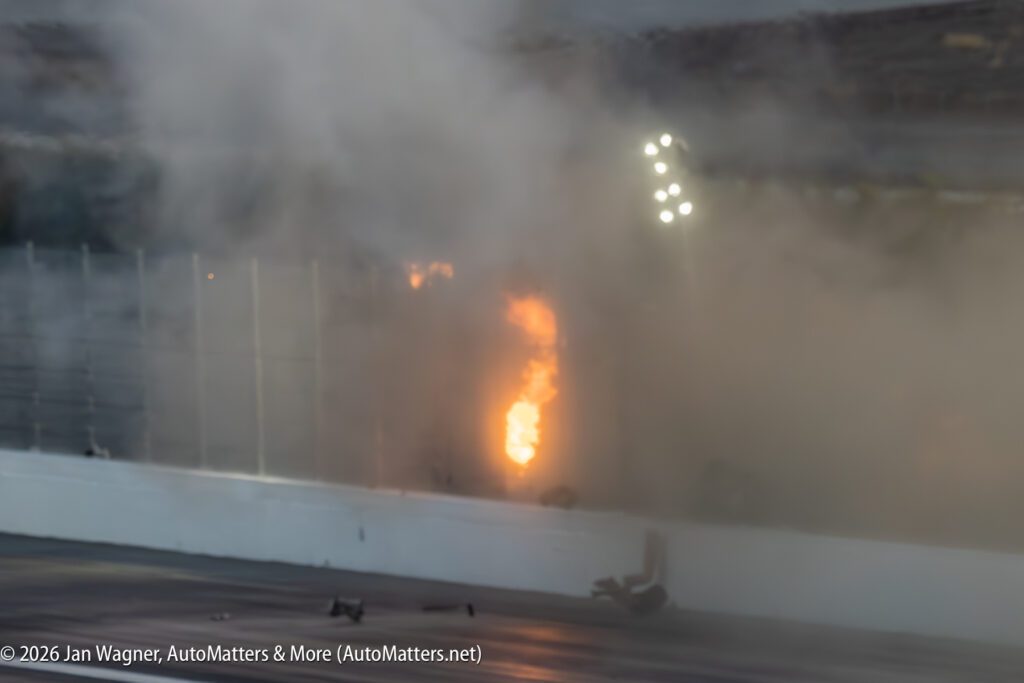
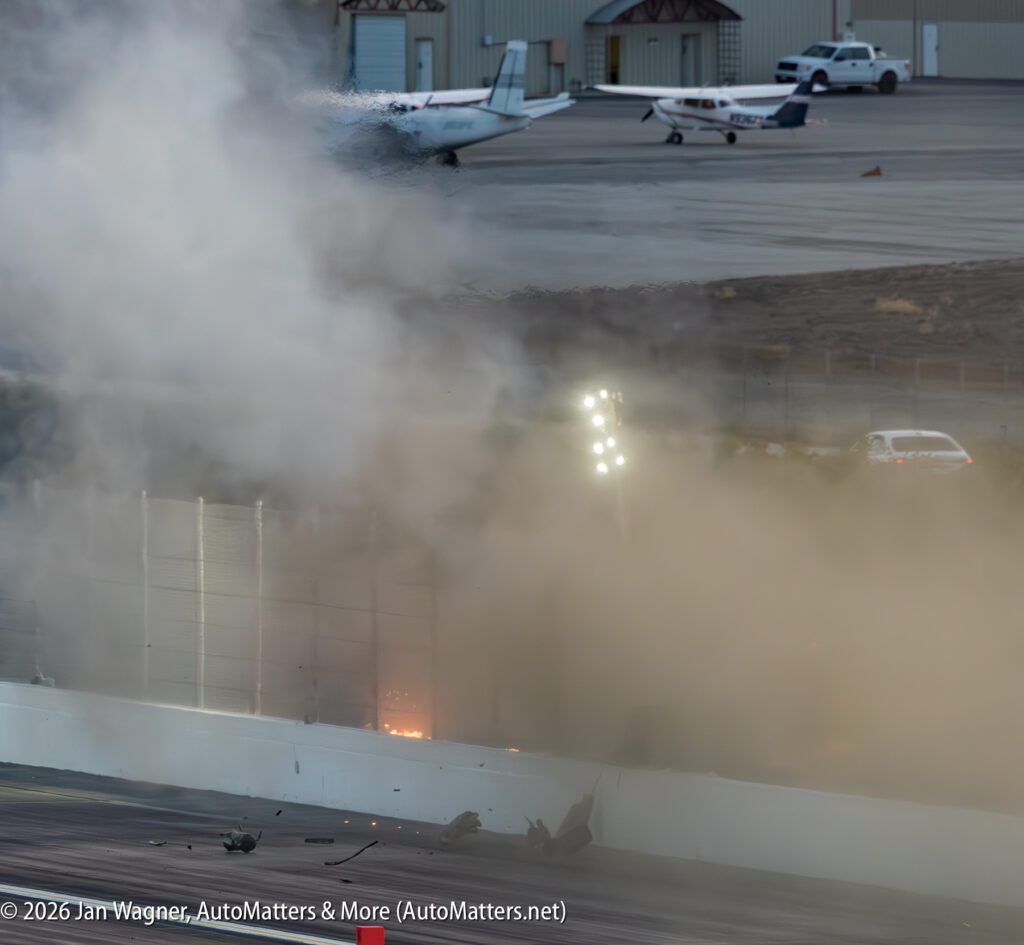
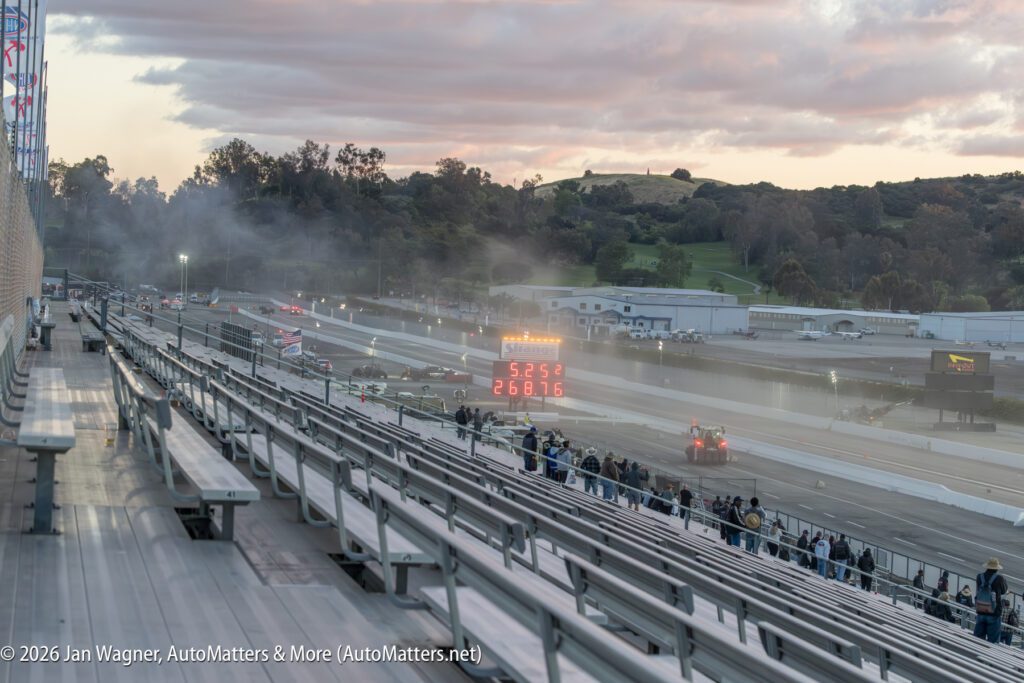
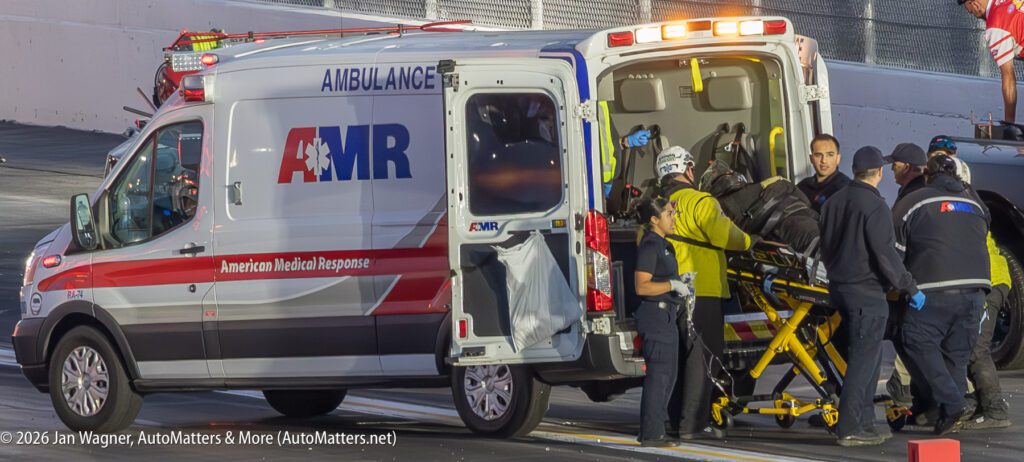
It seemed like an eternity before the “Jaws of life” helped extricate Stevens from the wreckage. He was placed onto a stretcher and lifted into an ambulance. The track announcer said that James was conscious and speaking with first responders.
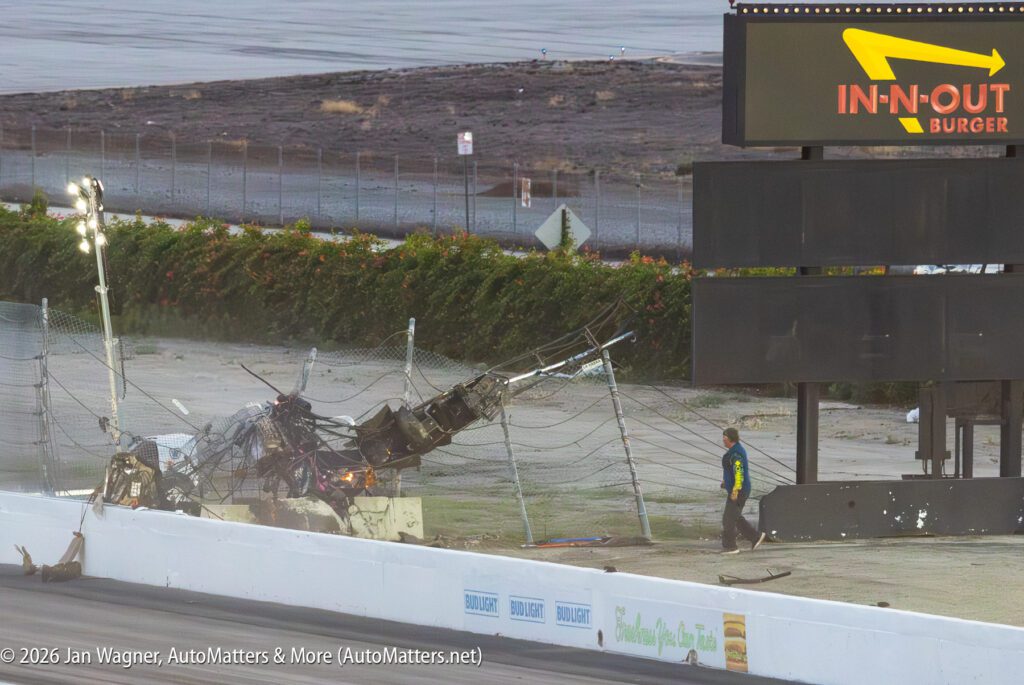
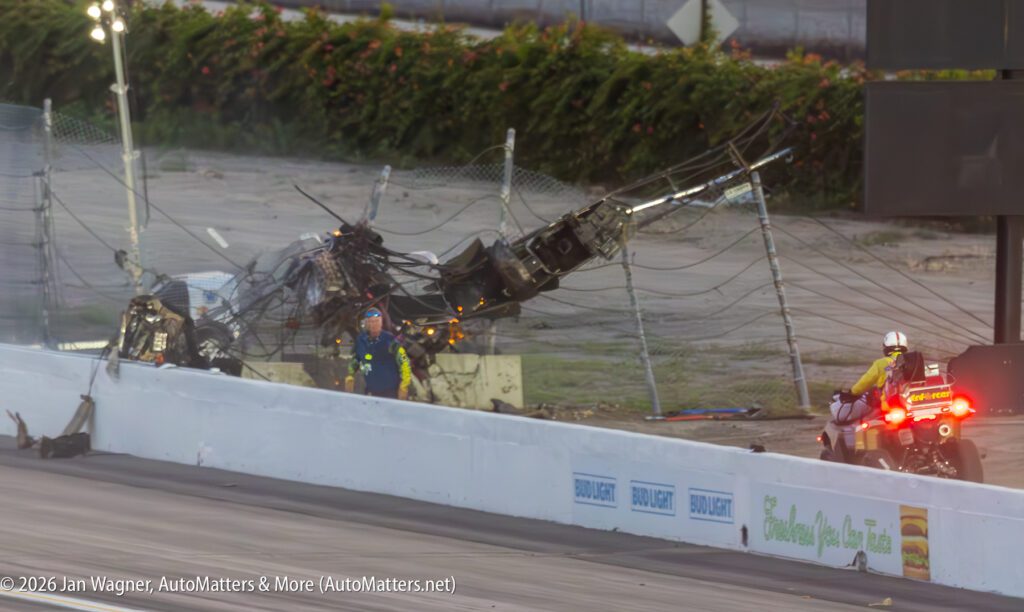
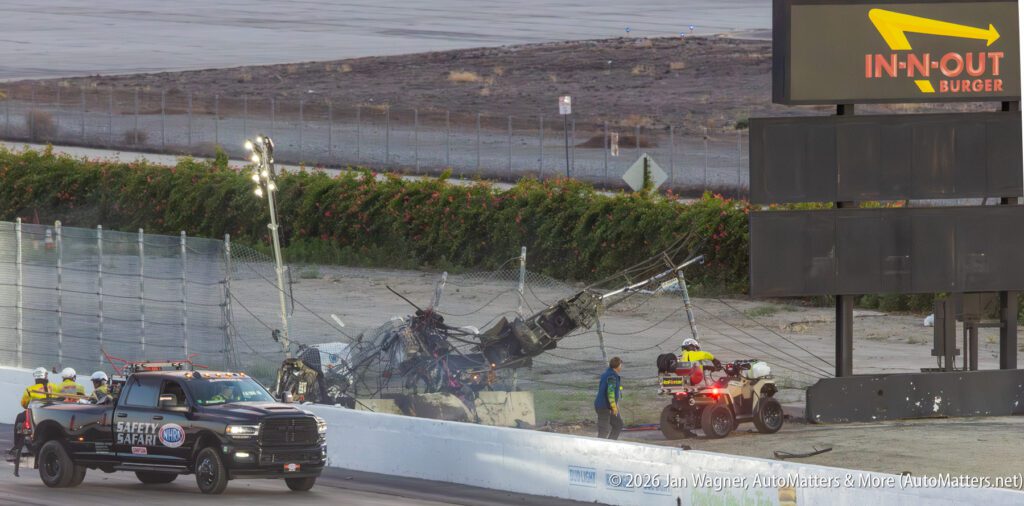
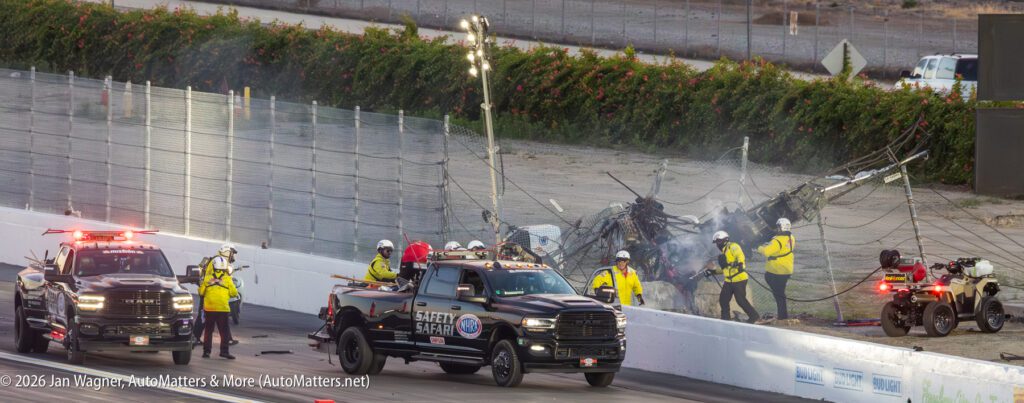
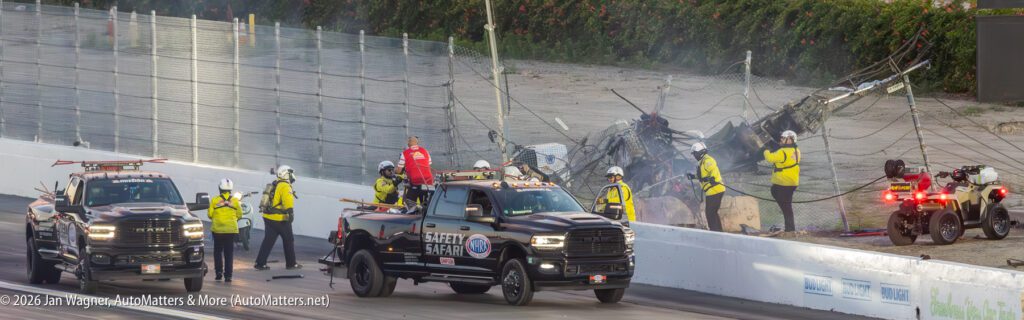
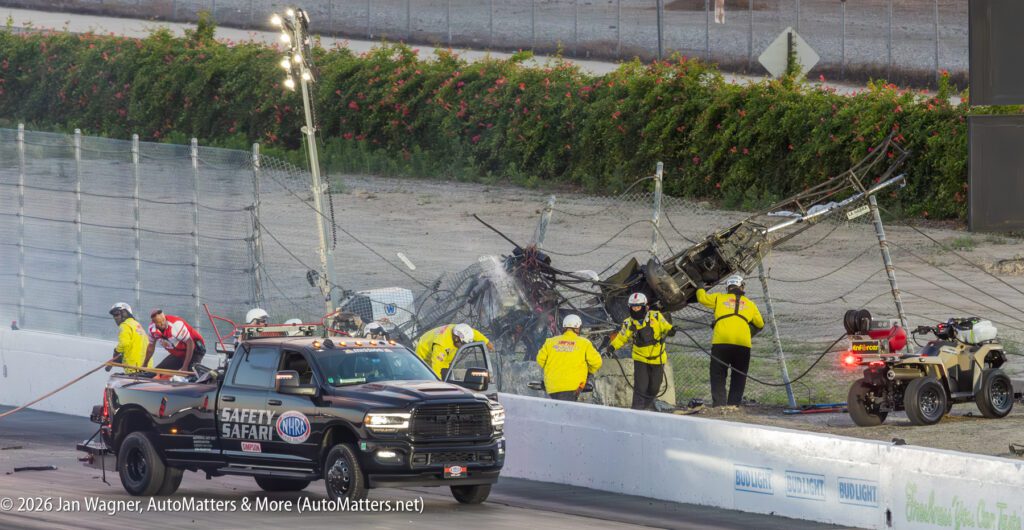
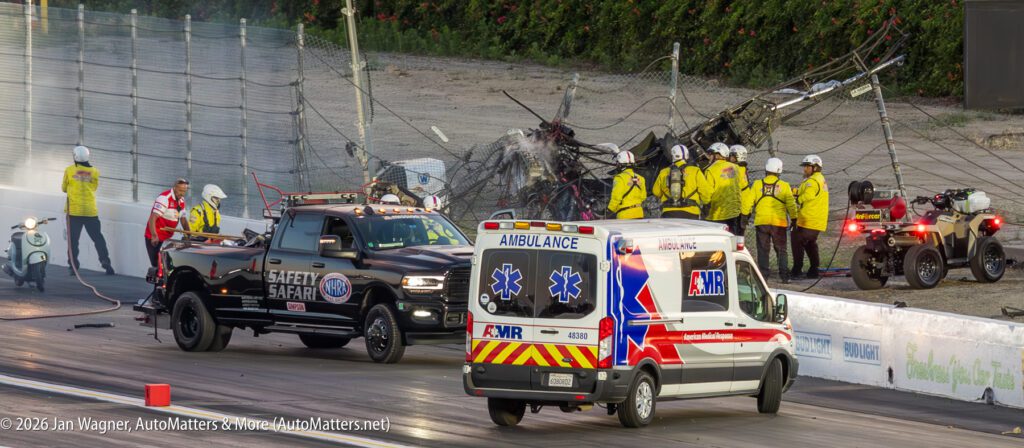
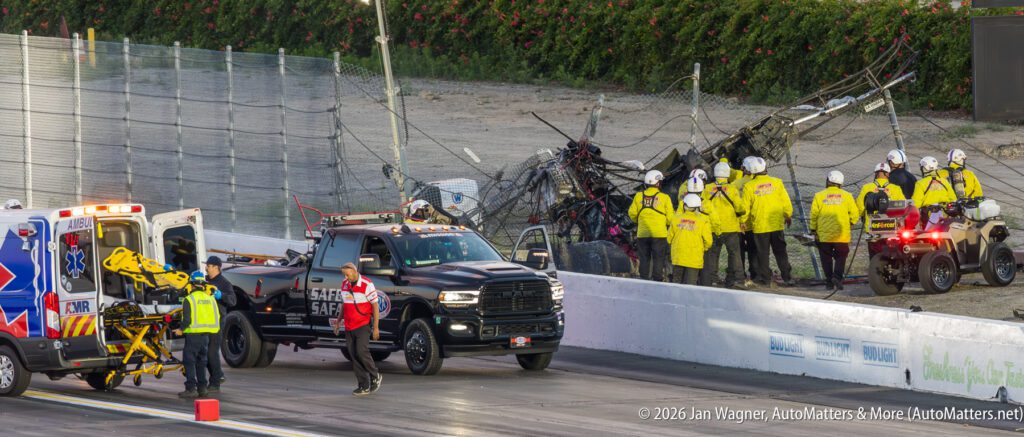
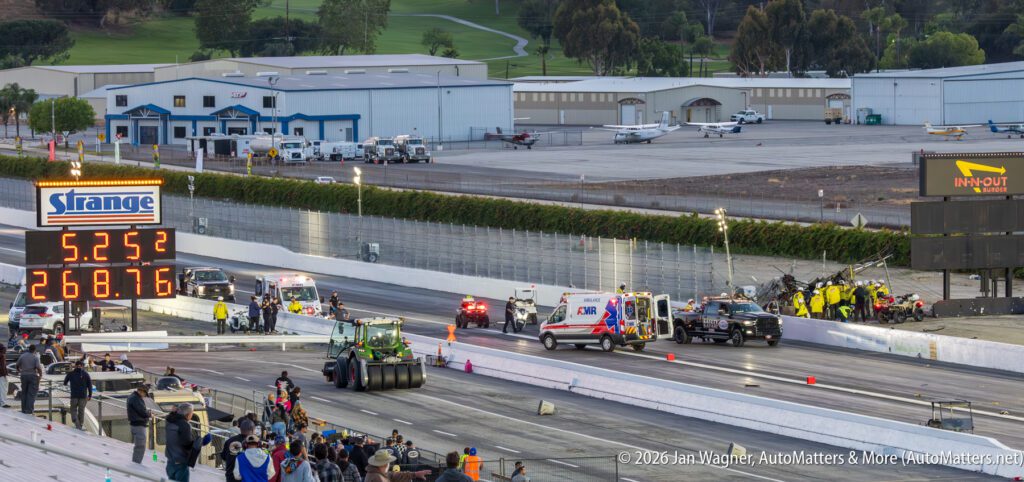
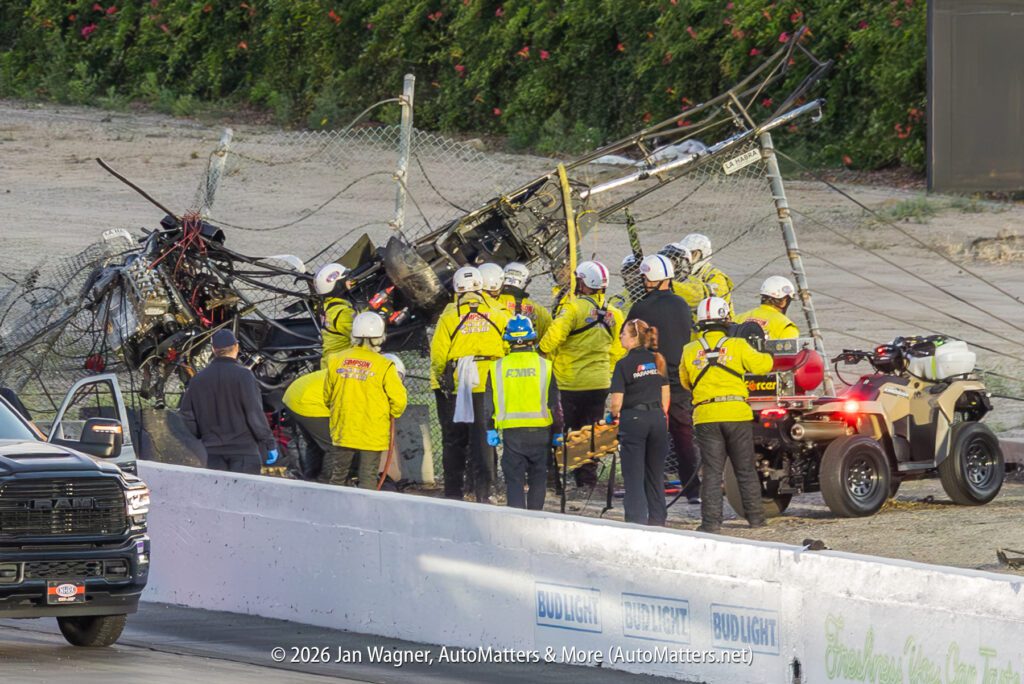
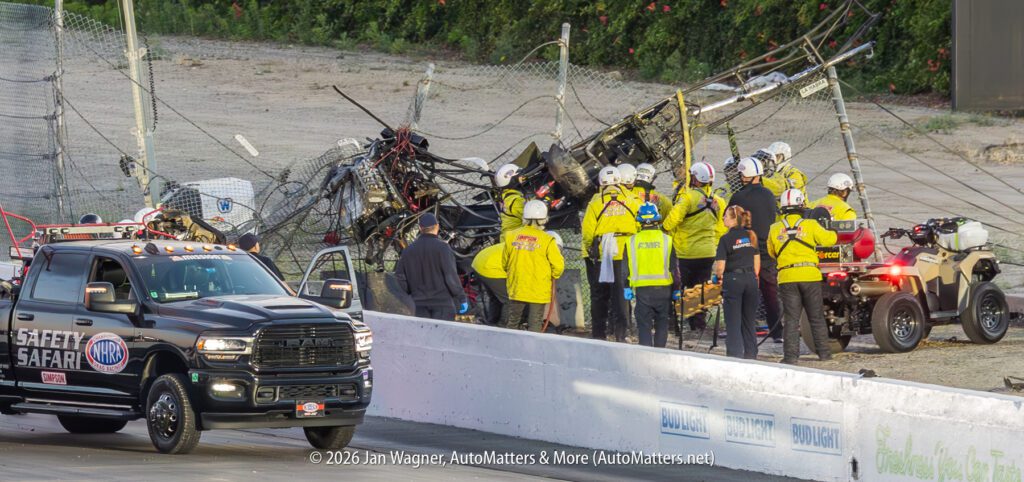
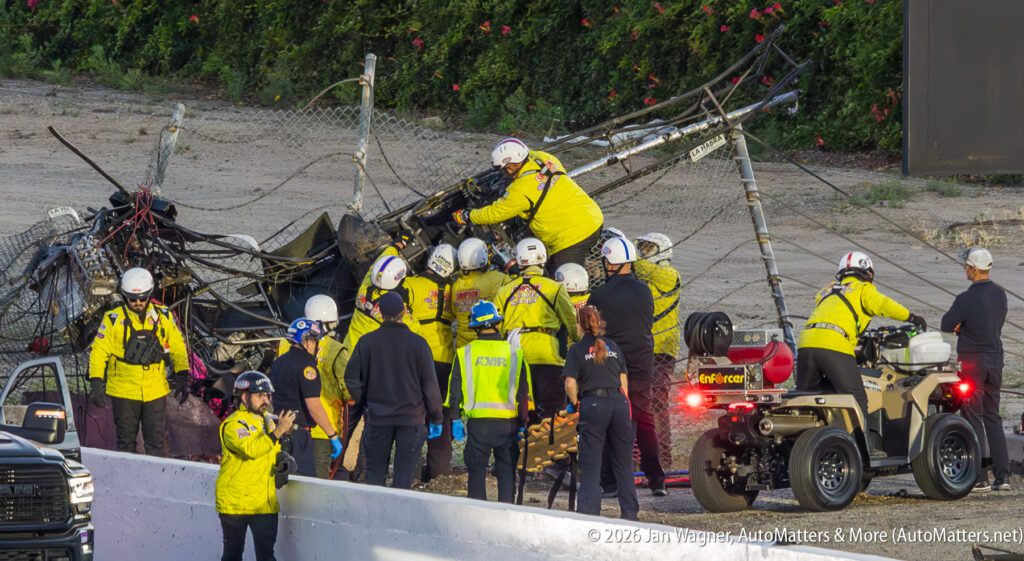
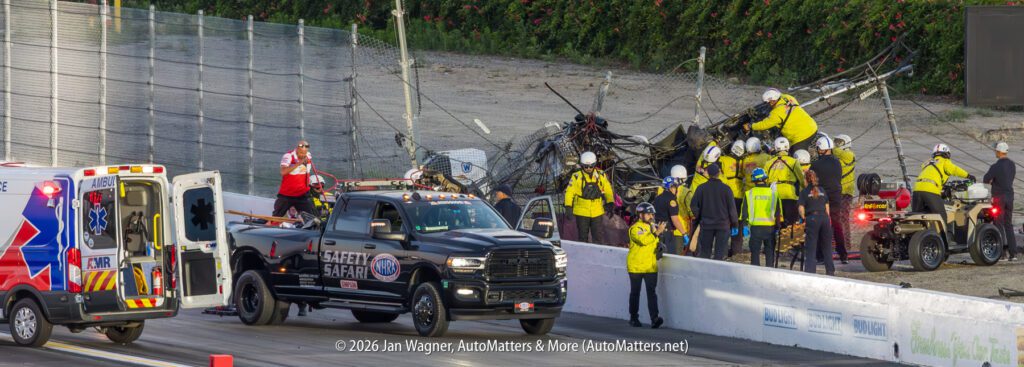
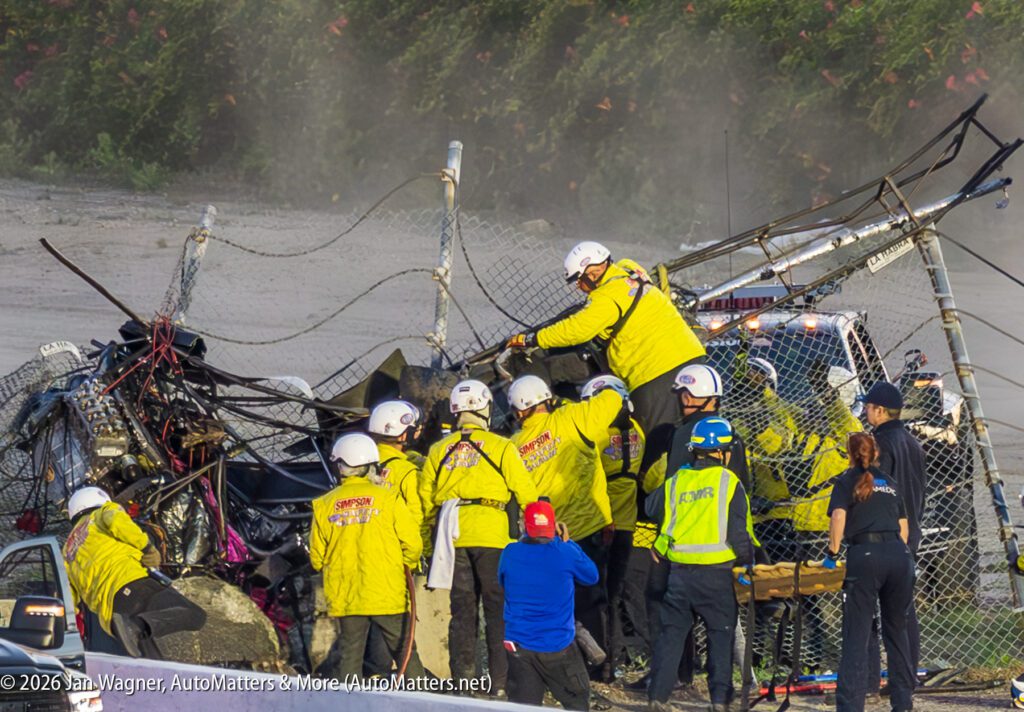
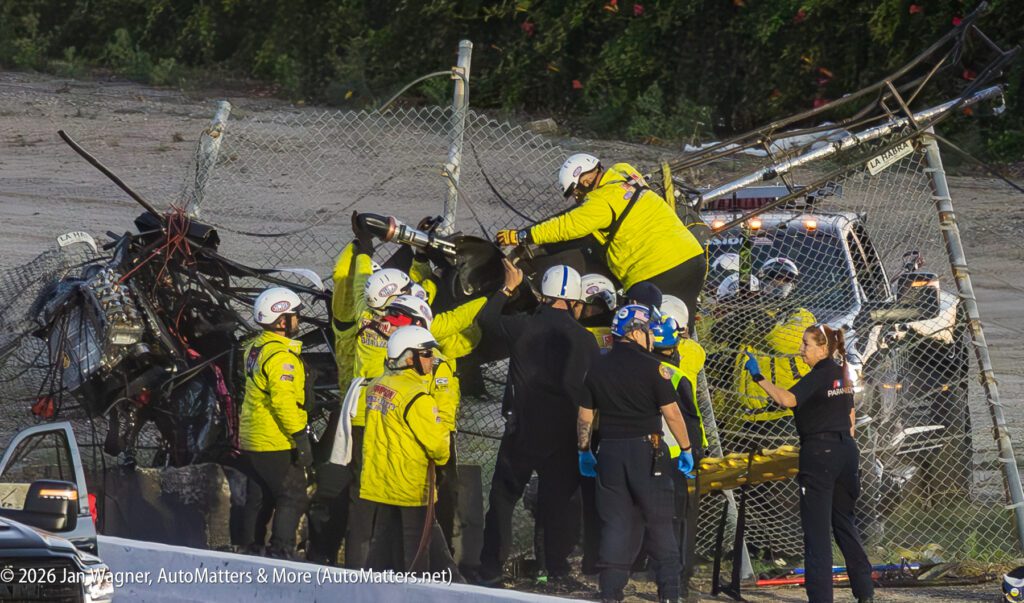
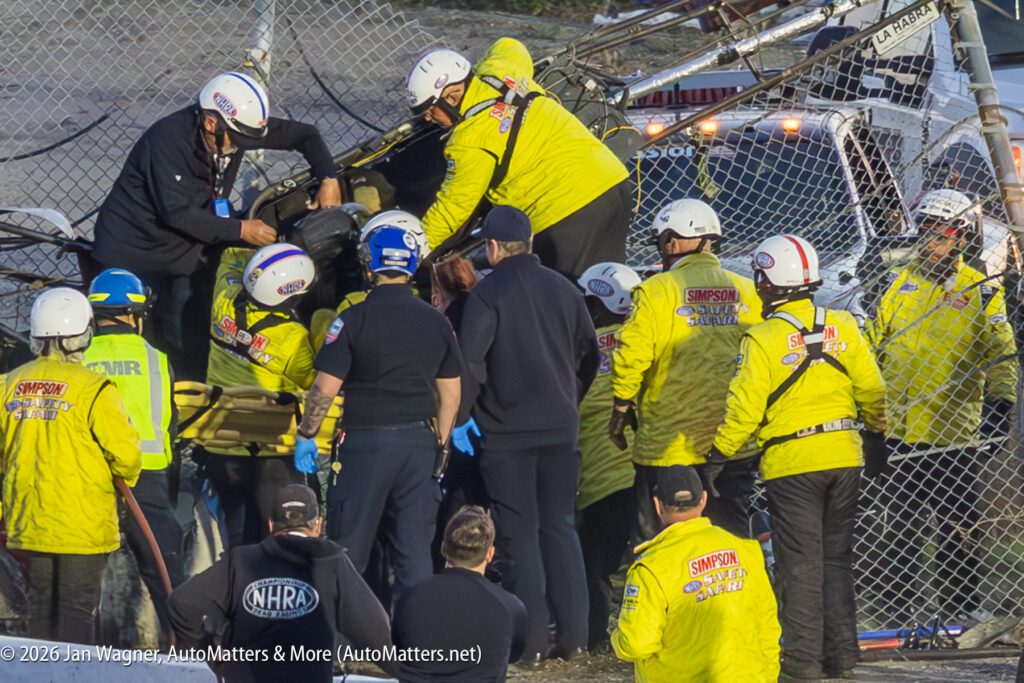
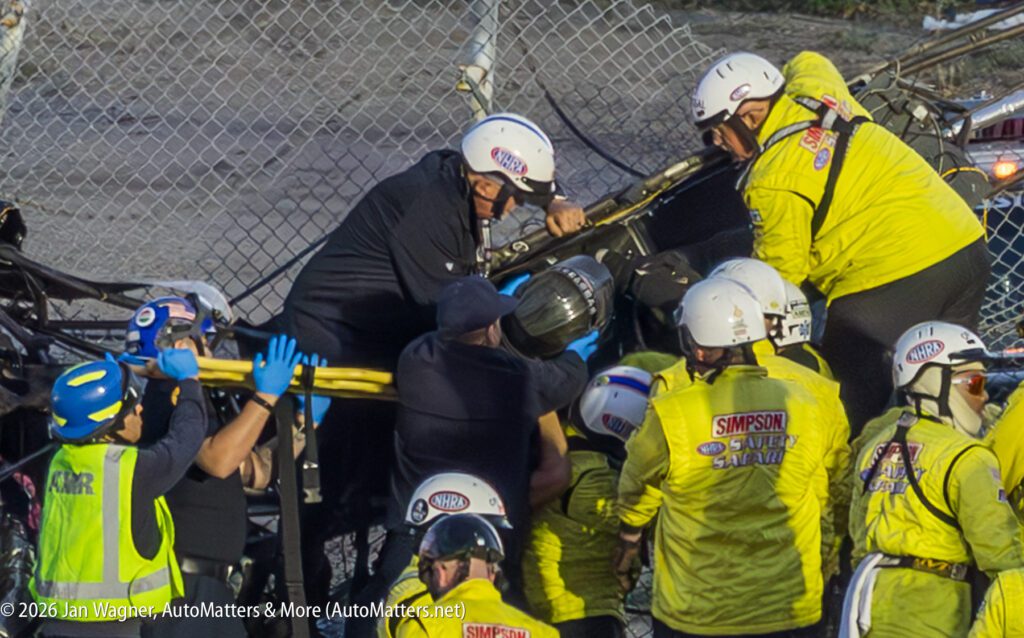
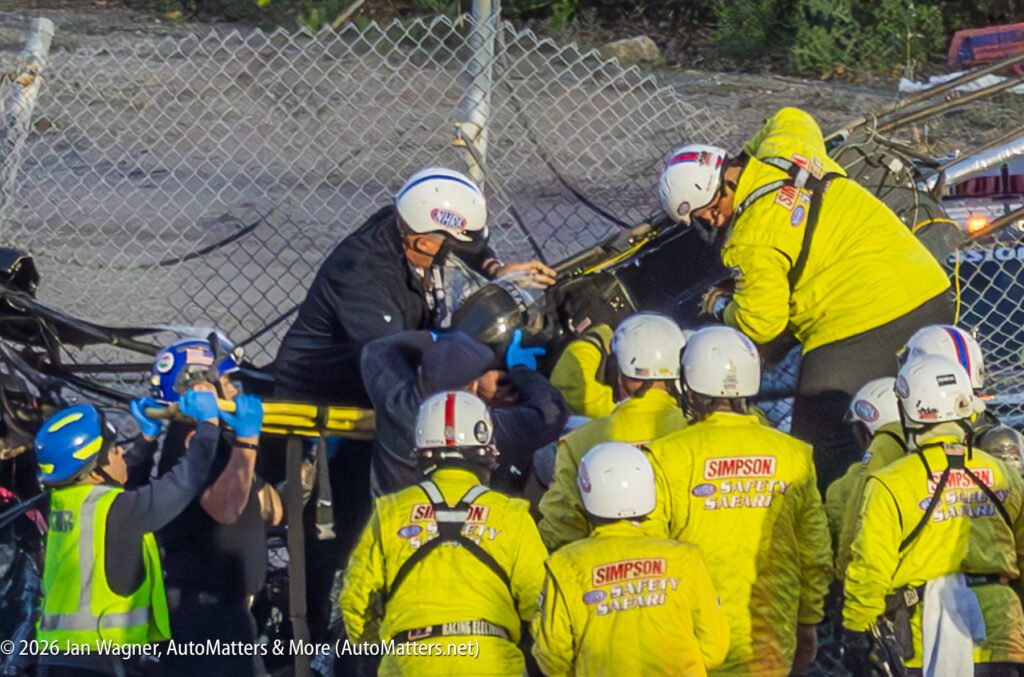
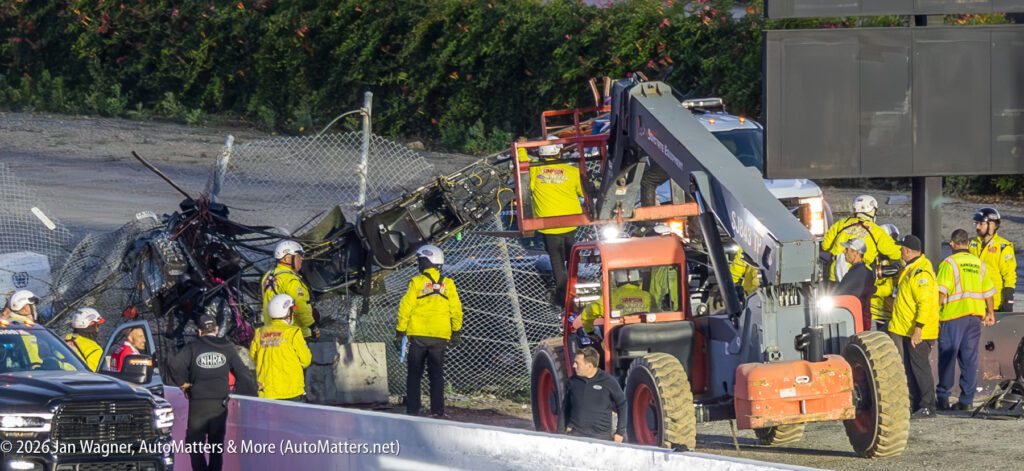
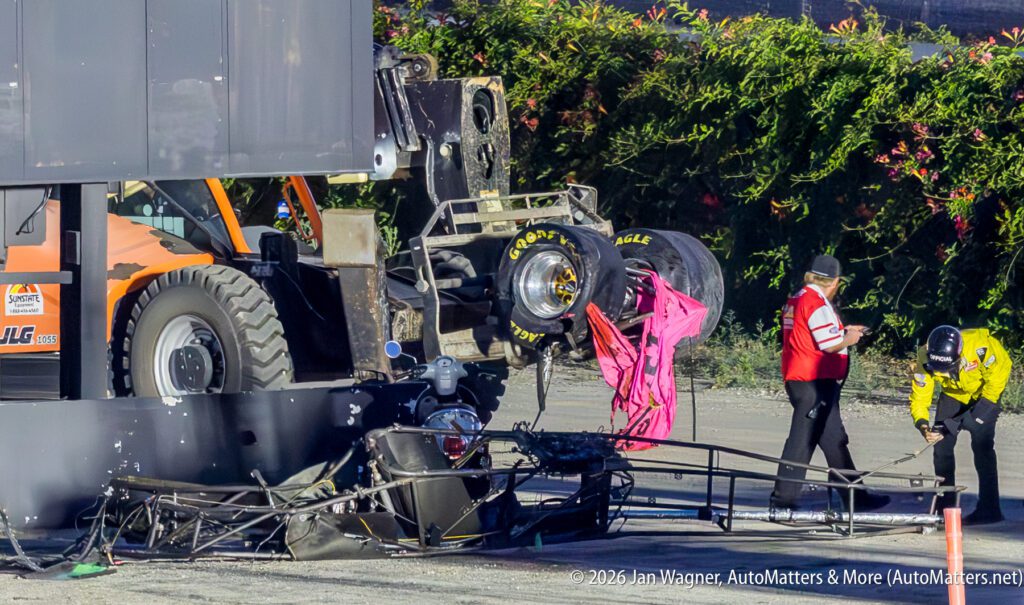
From my vantage point, it was impossible to differentiate between the mangled mess of his car and the catch fencing. Eventually, one piece at a time, a forklift raised and moved what appeared to be an engine, a rear-end assembly and a frame onto a waiting flatbed truck.
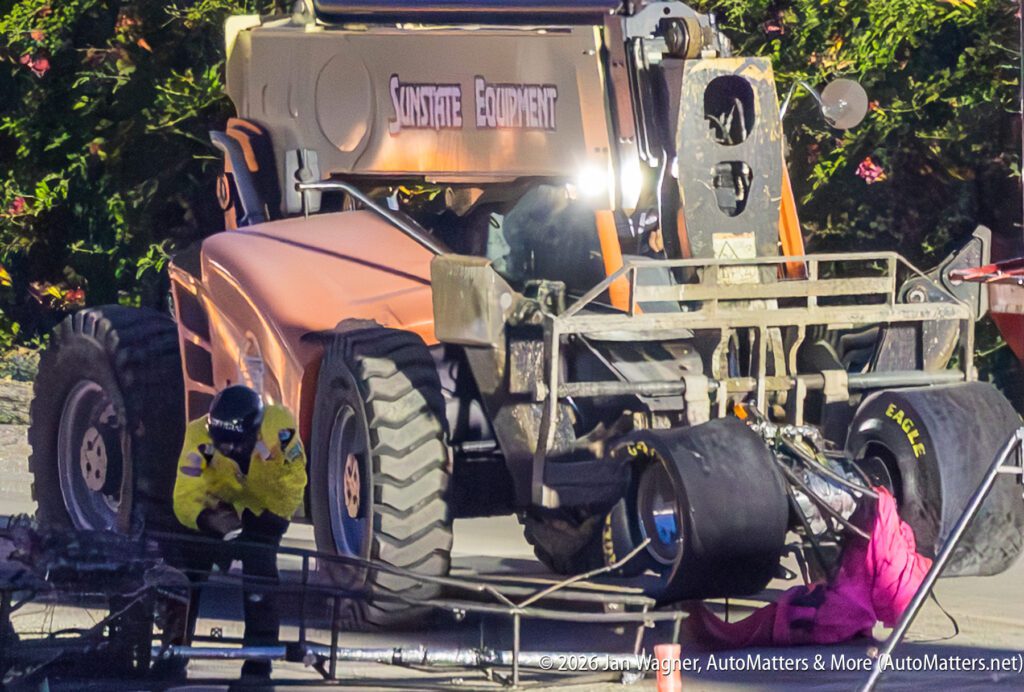
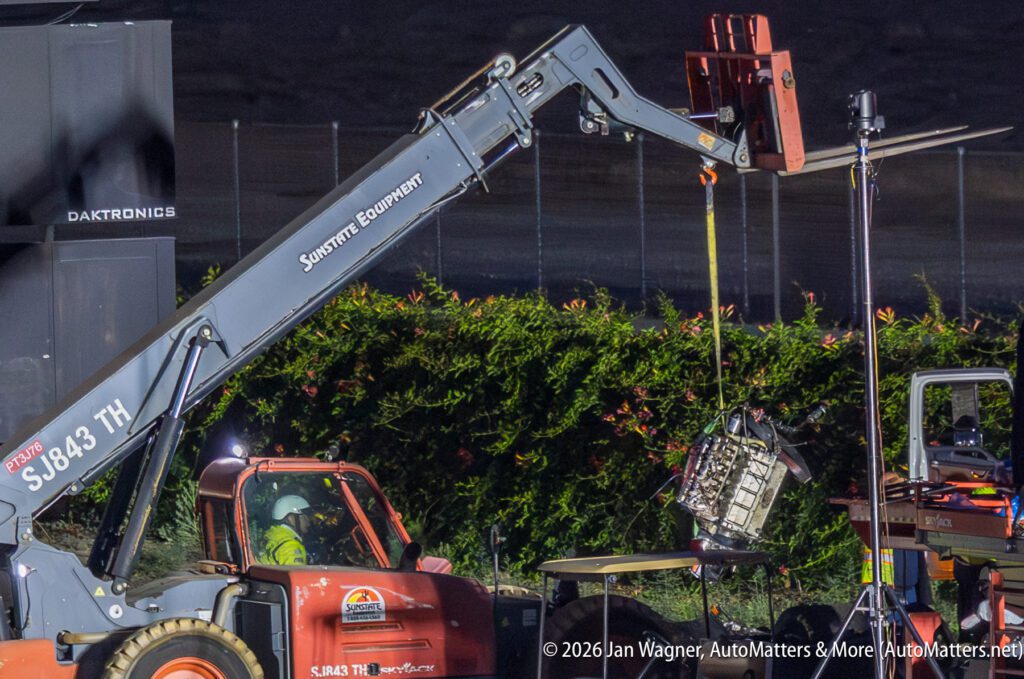
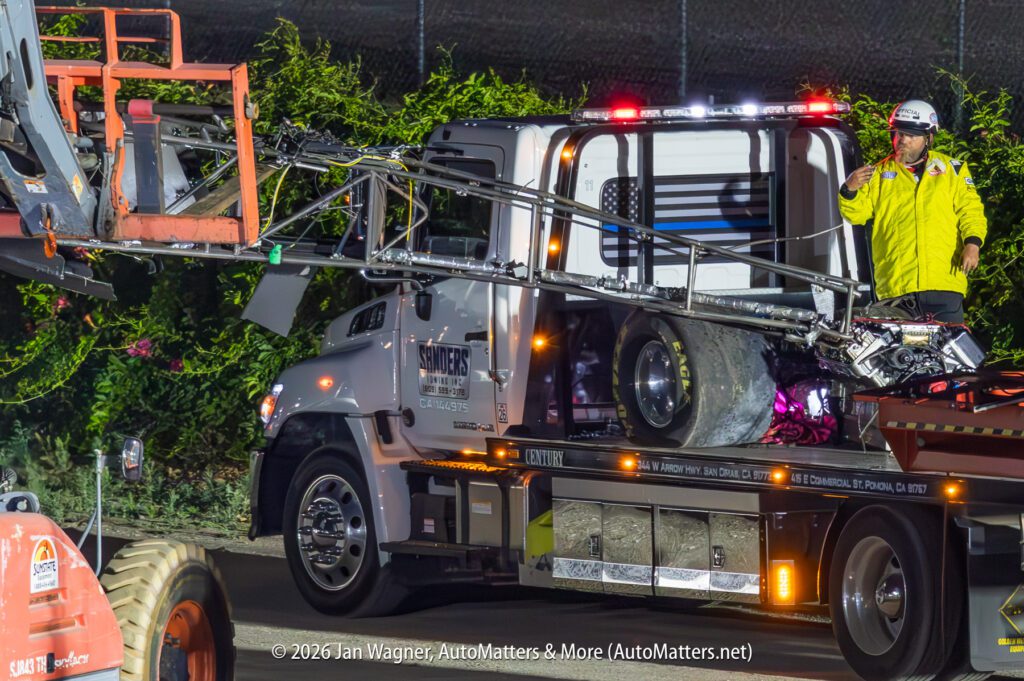
According to published reports on April 12th by Susan Wade at https://www.autoweek.com/racing/nhra/a70996611/violent-crash-nhra-at-pomona/ and https://competitionplus.com/nhra-top-alcohol-dragster-driver-james-stevens-crashes-hard-at-pomona/, later that night James Stevens’ daughter Jess Hampton had posted this message on Facebook:
“My dad James is pretty banged up. Sounds like he’s got a broken forearm, broken left wrist, broke his C-7 [vertebra], bruised lung, rib fractures, and possible broken back (again). If you didn’t know, he wrecked at this very same track in 2019. He is in a lot of pain, so please pray for healing and comfort. He will have surgery tomorrow.”
Motorsports sanctioning bodies and manufacturers continually work to improve safety measures, to better protect competitors, spectators, track personnel and others every time racers strap on their helmets, buckle their safety belts, take to the track and compete. Safety is, and will continue to be, their number one priority.
It is truly a testament to the ongoing, ever-evolving safety efforts of the NHRA and other sanctioning bodies that the vast majority of people continue to survive even the most horrific of motorsports accidents, like the one that I witnessed on this cold, windy evening in Pomona.
To see the results and news about the NHRA Lucas Oil Winternationals, visit:
https://www.nhra.com/schedule/2026/nhra-mission-foods-drag-racing-series/lucas-oil-nhra-winternationals. Also, visit the NHRA’s special 75th anniversary website at: https://www.nhra75.com.
To explore a wide variety of content dating back to 2002, with the most photos and the latest text, visit “AutoMatters & More” at https://automatters.net. Search by title or topic in the Search Bar in the middle of the Home Page or click on the blue ‘years’ boxes and browse.
Jan, has anyone from the NHRA ever explained how the engine became airborne, and how James actually survived the fireball? Was he still strapped in the cockpit at that moment? David.
I don’t know. I could not find anything about it. The last time I looked. Online.
Jan
Jan, the coverage of this event was a long day for you, but I find the stop action sequence shots of James Stevens’ accident the most fascinating. Shortly after the start his dragster drifts sideways and goes over the wall. Then the drag chut deploys, and it seems at this point that the engine detaches from the main chassis.
Then something happens that I don’t quite understand. As the main chassis and chut slide down the far side of the wall, the engine takes off as if launched by a rocket. The chassis with the engine overhead go down the track towards the IN N OUT billboard, with the engine landing ahead of the chassis.
At this moment the chassis with driver’s pod explode into flames, presumably with Stevens still strapped in. How he survives is a miracle, much like Romain Grosjean horrific F1 accident. So I’m wondering how the engine, which must have been on the tarmac at one time, became airborne.
How do you capture these stop action sequences? Do you have a setting on your camera for this feature, or do you just press the shutter button as fast as possible? Some of the frames are only milliseconds apart in real time. It would seem to me that your images would be valuable to the authorities investigating the accident. That’s how improved safety measures evolve.
Great column. David
Thank you for the great comment, David.
In answer to your question, sometimes I shoot one shot at a time, and sometimes I do bursts. I used to shoot high speed bursts but that used a ton of storage space on my external storage system, and I can never seem to find the time to delete anything. The NHRA crash series was shot in a low speed burst.
I’ve notified the NHRA and sent them a link to my column. Like you, I too think that the NHRA would want to use these photos to better understand the crash, but I have not (yet) heard back from them.
Jan